


New ready-to-use three-chamber bag parenteral nutrition solution strengthens Fresenius’ global clinical nutrition portfolio and reflect its commitment to patient centric innovation
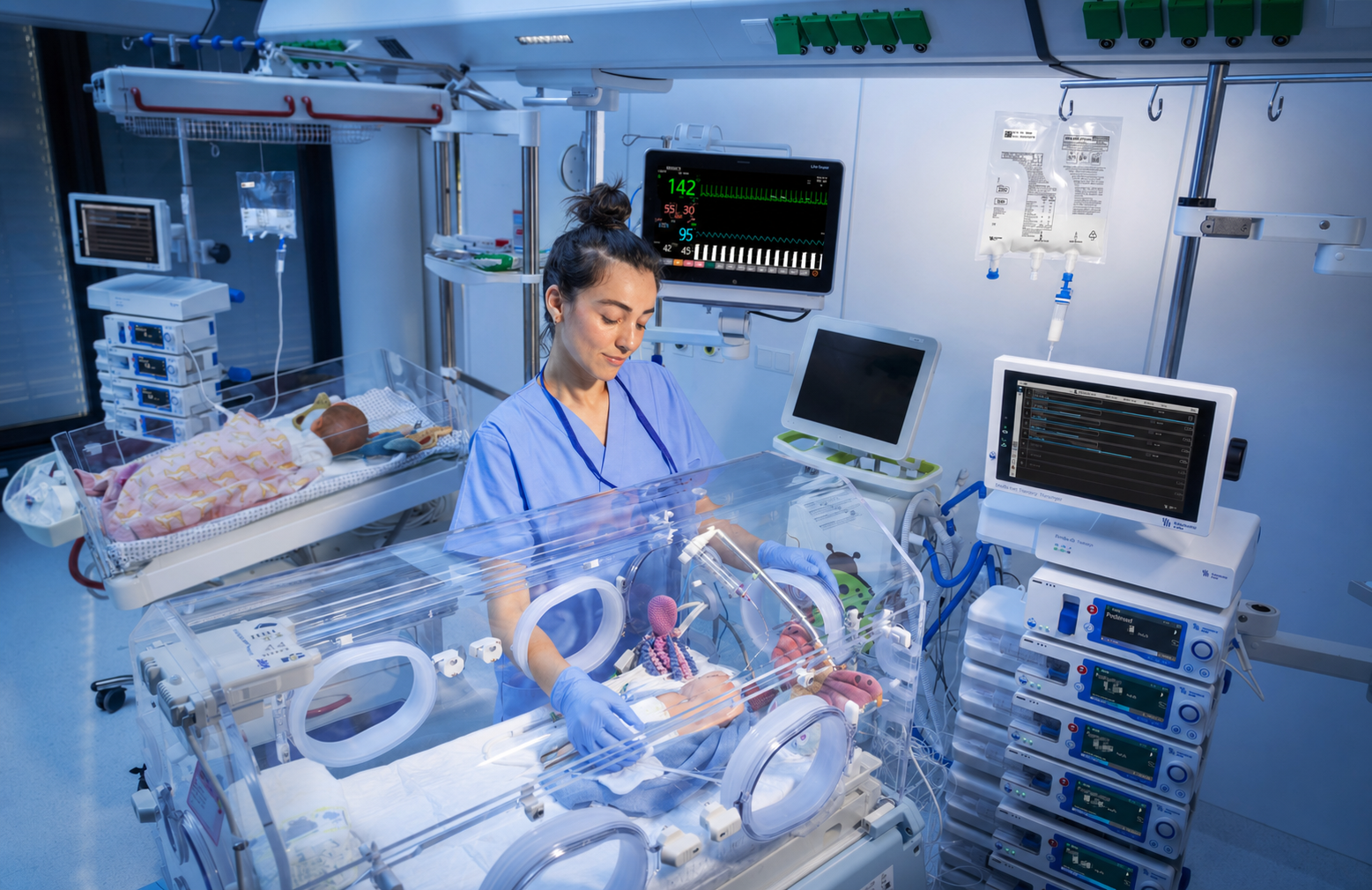
Fresenius, a global healthcare company, today announced the European launch of the Pedismof® range, a new ready to use three chamber bag for pediatric parenteral nutrition. Developed by Fresenius Kabi, the introduction marks an important milestone within the clinical nutrition portfolio and aligns with the Company’s #FutureFresenius strategy to foster patient centric innovation, simplify care, and support patient access to essential therapies.
The range offers age-specific formulations for preterm and term neonates, infants, children, and adolescents, supporting standardized pediatric parenteral nutrition. It is the third product launch this year in the company’s clinical nutrition branch.
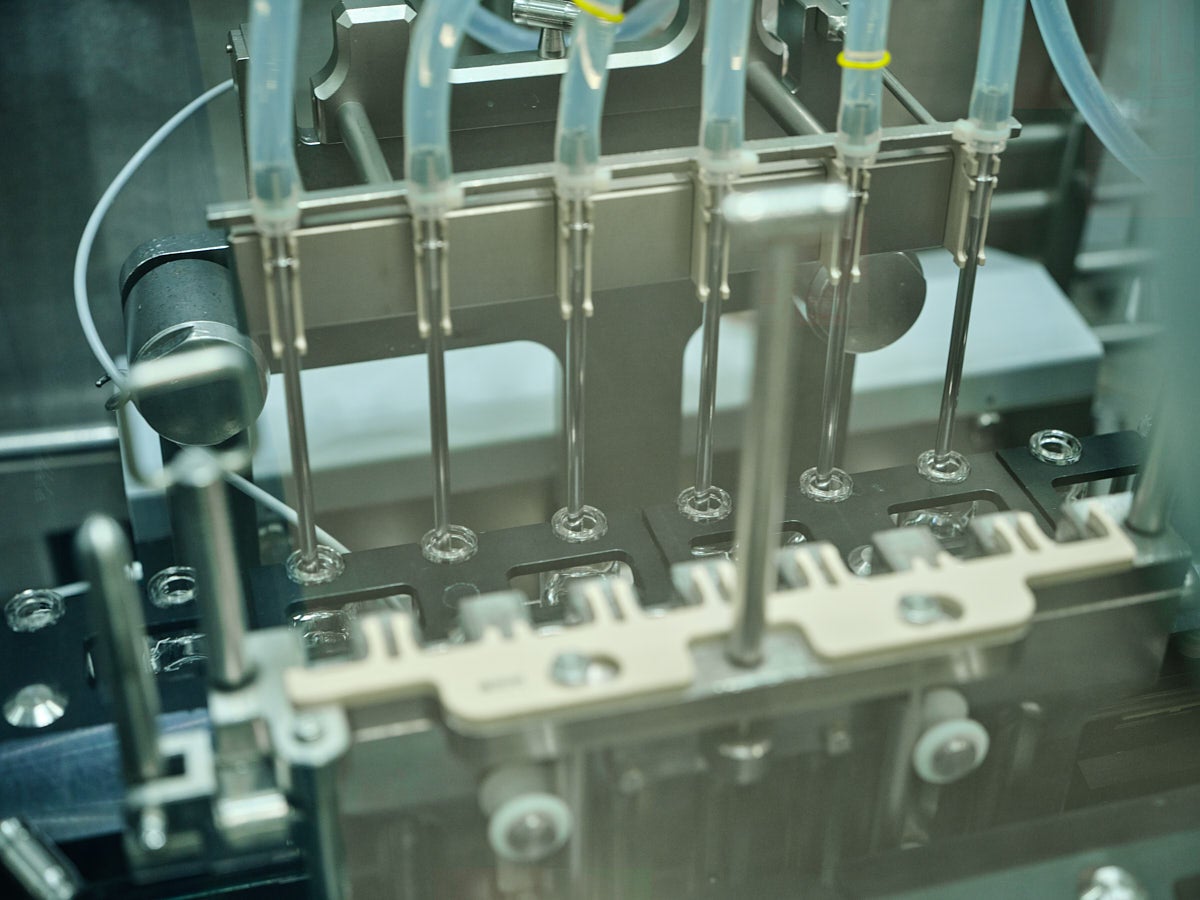
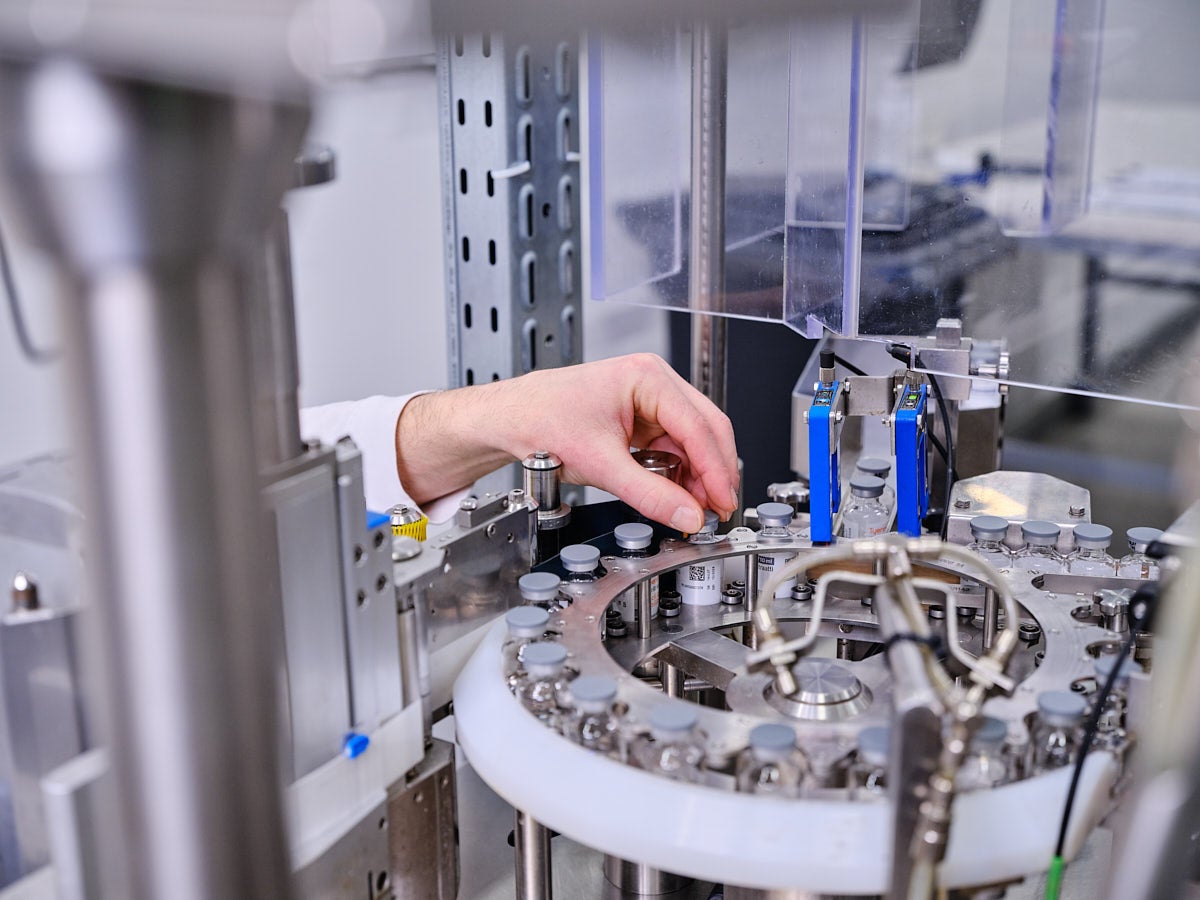
The three chamber bag combines glucose, amino acids with a balanced profile, and the lipid emulsion SMOFlipid®, which contains fish oil and omega 3 fatty acids. The formulation has been developed in line with established European pediatric nutrition guidelines1 and is available in multiple volumes to meet the nutritional requirements of most patients.
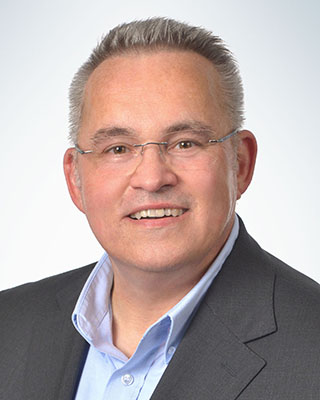
“The Pedismof® range is an example of how our clinical nutrition portfolio continues to evolve to address specific clinical and patient needs,” said Dr. Marc Alexander Mahl, President Pharma, Nutrition and Sustainability at Fresenius Kabi. “With age appropriate formulations and a ready to use design, we aim to support healthcare professionals in the delivery of neonatal and pediatric parenteral nutrition within established clinical frameworks.”
Just a few days ago – on June 2nd, Fresenius opened an Innovation Center in Germany focused specifically on clinical nutrition. The new center will bring approximately 100 experts from multiple disciplines under one roof, fostering collaboration and speed to continuously develop new products.
This launch is a further proof point of the company’s current strategy phase Rejuvenate by strengthening Fresenius’ clinical nutrition portfolio and underscores the Company’s focus on scalable, system relevant therapies that contribute to long term patient access and differentiated health outcomes.
Availability of Pedismof® range may vary by country and are subject to local regulatory approvals.
1Van Goudoever JB et al. Clin Nutr. 2018;37(6 Pt B):2315-2323. Lapillonne A et al. Clin Nutr. 2018;37(6 Pt B):2324-2336. Joosten K et al. Clin Nutr. 2018;37(6 Pt B):2309-2314. Mesotten D et al. Clin Nutr. 2018;37(6 Pt B):2337-2343. Mihatsch W et al. Clin Nutr. 2018;37(6 Pt B):2360-2365. Jochum F et al. Clin Nutr. 2018;37(6 Pt B):2344-2353.
Fresenius (XFRA: FRE, OTCQX: FSNUY) is a global, therapy-focused healthcare company dedicated to saving and improving human lives around the world. Through Fresenius Kabi and Fresenius Helios, the company delivers system-critical, innovative and affordable healthcare across the full continuum of care: Fresenius Kabi is a leading provider of lifesaving medicines, clinical nutrition, and medical technologies for critically and chronically ill patients, reaching around 450 million people each year. Fresenius Helios is Europe’s largest private hospital operator, treating around 27 million patients annually. With more than 178,000 employees and operating in more than 60 countries, Fresenius generated €22.6 billion in revenue in 2025.
For more information, visit www.fresenius.com and follow Fresenius on LinkedIn.
This release contains forward-looking statements that are subject to various risks and uncertainties. Future results could differ materially from those described in these forward-looking statements due to certain factors, e.g. changes in business, economic and competitive conditions, regulatory reforms, results of clinical trials, foreign exchange rate fluctuations, uncertainties in litigation or investigative proceedings, the availability of financing and unforeseen impacts of international conflicts. Fresenius does not undertake any responsibility to update the forward-looking statements in this release.
Fresenius SE & Co. KGaA
Registered Office: Bad Homburg, Germany / Commercial Register: Amtsgericht Bad Homburg, HRB 11852
Chairman of the Supervisory Board: Wolfgang Kirsch
General Partner: Fresenius Management SE
Registered Office: Bad Homburg, Germany / Commercial Register: Amtsgericht Bad Homburg, HRB 11673
Management Board: Michael Sen (Chairman), Pierluigi Antonelli, Sara Hennicken, Robert Möller, Dr. Michael Moser
Chairman of the Supervisory Board: Wolfgang Kirsch
Our Sustainability Framework
Our mission is to save and improve human lives. Sustainability supports this mission by focusing on opportunities that arise from sustainable business practices and translating them into measurable progress, guided by defined targets and key performance indicators across our Sustainability Framework.
Our approach built on a unique corporate legacy spanning more than a century and is guided by strong principles and a clear direction for the future.
Our Sustainability Framework translates this approach into action. It structures our activities across three dimensions and nine focus topics, providing clear orientation and a consistent direction across the Group.
We focus on three core dimensions:
“For us, sustainability is not just a buzzword. It's our responsibility and our strength. It makes us competitive and resilient, ensuring our success. Both today and tomorrow.”
Dr. Michael Moser, Member of the Fresenius Management Board, responsible for Legal, Compliance, Risk Management, Sustainability, Human Resources, Corporate Audit and Vamed
Our Goals and Progress
Since we can only improve what we understand and control, we have set ourselves goals along our business activities – for the Group as a whole and for the individual operating companies.
At Fresenius, sustainability is an important responsibility of the Management Board: As a key component of our business strategy, sustainability targets are also included in the variable compensation of the Management Board.
Our Sustainability Governance
Effective governance is essential for us to understand and actively manage our activities. It provides the structure and accountability needed to ensure that our sustainability ambitions are not just aspirations, but actions. Through an integrated approach, we turn isolated initiatives into meaningful progress.
Clear ownership and strong collaboration
At Fresenius, overall responsibility for sustainability lies with the Fresenius Management Board member responsible for Legal, Compliance, Risk Management, Sustainability, Human Resources, Corporate Audit and Fresenius Vamed.
The Group Sustainability function serves as the central competence center for sustainability across the Group. It monitors regulatory developments, identifies material topics, defines strategic priorities and opportunities to drive implementation of our Sustainability Framework. It supports the Group-wide rollout of sustainability initiatives. It is also responsible for sustainability-related internal and external stakeholder communication and, together with Global Accounting, for non-financial reporting.
The Group Sustainability Committee defines the company-wide approach, monitors progress, and oversees its implementation – both overall and across the individual focus topics. Dedicated working groups throughout the organization drive these topics forward and ensure their operational execution.
The Management Board and the Supervisory Board review the progress and the results of the sustainability management across the Group.
"For us, sustainability means focusing on where we can make the greatest contribution to people, the environment, and our company. It is an integral part of responsible corporate governance. Our Sustainability Framework helps us set priorities, make progress transparent, and manage our sustainability activities in a structured way."
Axel Faupel, Head of Group Sustainability, Fresenius Group
Our Sustainability Advisory Board
Fresenius has appointed an independent Sustainability Advisory Board. Four leading international experts from science, business, and consulting are supporting us in further developing our related activities.
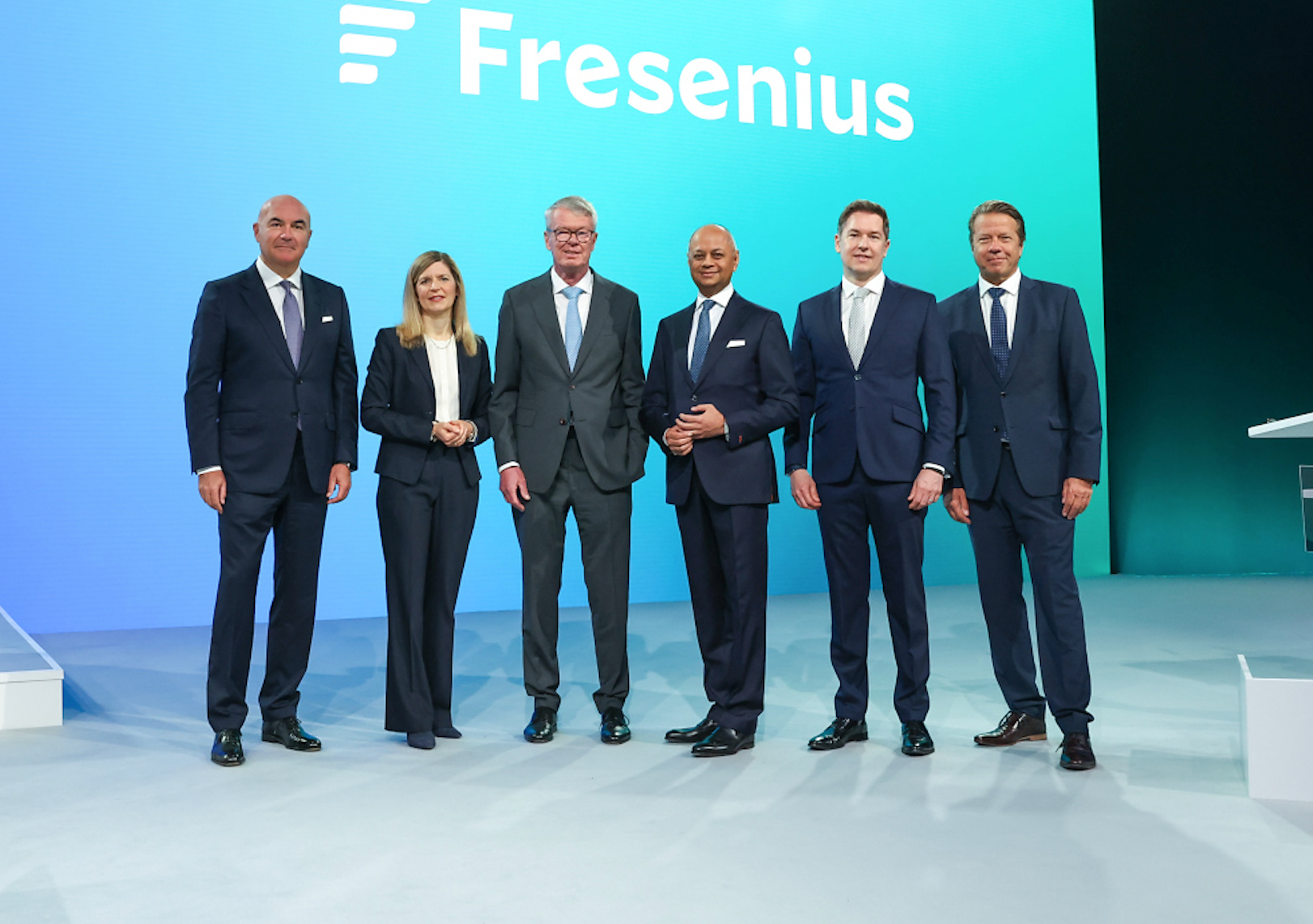
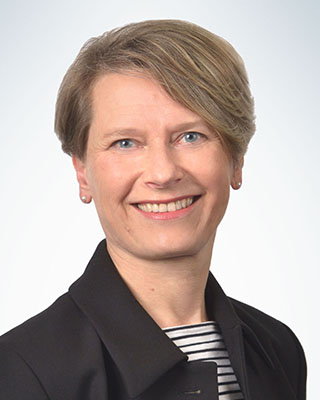
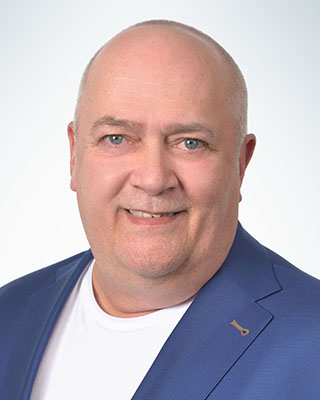
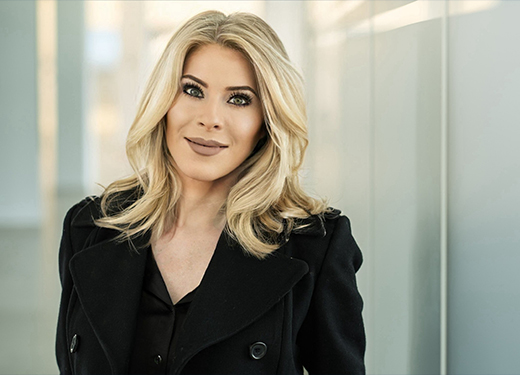
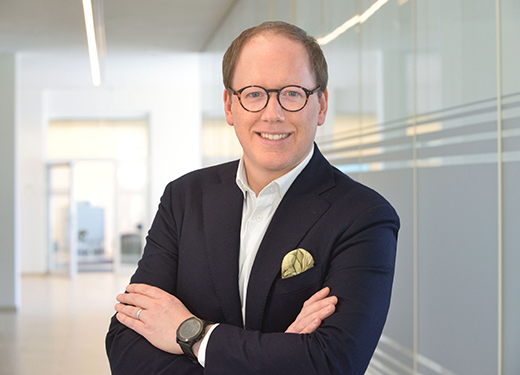
Image from left to right: Fabian Kienbaum, Dr. Fiona Adshead, Dr. Michael Moser (Member of the Management Board), Anahita Thoms (Chair) and Prof. Dr. Judith Walls.
You would like to learn more about the specific sustainability activities of our operating companies? Have a look at their dedicated websites:
New ready-to-use three-chamber bag parenteral nutrition solution strengthens Fresenius’ global clinical nutrition portfolio and reflect its commitment to patient centric innovation
Fresenius, a global healthcare company, today announced the European launch of the Pedismof® range, a new ready to use three chamber bag for pediatric parenteral nutrition. Developed by Fresenius Kabi, the introduction marks an important milestone within the clinical nutrition portfolio and aligns with the Company’s #FutureFresenius strategy to foster patient centric innovation, simplify care, and support patient access to essential therapies.
The range offers age-specific formulations for preterm and term neonates, infants, children, and adolescents, supporting standardized pediatric parenteral nutrition. It is the third product launch this year in the company’s clinical nutrition branch.
The three chamber bag combines glucose, amino acids with a balanced profile, and the lipid emulsion SMOFlipid®, which contains fish oil and omega 3 fatty acids. The formulation has been developed in line with established European pediatric nutrition guidelines1 and is available in multiple volumes to meet the nutritional requirements of most patients.
“The Pedismof® range is an example of how our clinical nutrition portfolio continues to evolve to address specific clinical and patient needs,” said Dr. Marc Alexander Mahl, President Pharma, Nutrition and Sustainability at Fresenius Kabi. “With age appropriate formulations and a ready to use design, we aim to support healthcare professionals in the delivery of neonatal and pediatric parenteral nutrition within established clinical frameworks.”
Just a few days ago – on June 2nd, Fresenius opened an Innovation Center in Germany focused specifically on clinical nutrition. The new center will bring approximately 100 experts from multiple disciplines under one roof, fostering collaboration and speed to continuously develop new products.
This launch is a further proof point of the company’s current strategy phase Rejuvenate by strengthening Fresenius’ clinical nutrition portfolio and underscores the Company’s focus on scalable, system relevant therapies that contribute to long term patient access and differentiated health outcomes.
Availability of Pedismof® range may vary by country and are subject to local regulatory approvals.
1Van Goudoever JB et al. Clin Nutr. 2018;37(6 Pt B):2315-2323. Lapillonne A et al. Clin Nutr. 2018;37(6 Pt B):2324-2336. Joosten K et al. Clin Nutr. 2018;37(6 Pt B):2309-2314. Mesotten D et al. Clin Nutr. 2018;37(6 Pt B):2337-2343. Mihatsch W et al. Clin Nutr. 2018;37(6 Pt B):2360-2365. Jochum F et al. Clin Nutr. 2018;37(6 Pt B):2344-2353.
Fresenius (XFRA: FRE, OTCQX: FSNUY) is a global, therapy-focused healthcare company dedicated to saving and improving human lives around the world. Through Fresenius Kabi and Fresenius Helios, the company delivers system-critical, innovative and affordable healthcare across the full continuum of care: Fresenius Kabi is a leading provider of lifesaving medicines, clinical nutrition, and medical technologies for critically and chronically ill patients, reaching around 450 million people each year. Fresenius Helios is Europe’s largest private hospital operator, treating around 27 million patients annually. With more than 178,000 employees and operating in more than 60 countries, Fresenius generated €22.6 billion in revenue in 2025.
For more information, visit www.fresenius.com and follow Fresenius on LinkedIn.
This release contains forward-looking statements that are subject to various risks and uncertainties. Future results could differ materially from those described in these forward-looking statements due to certain factors, e.g. changes in business, economic and competitive conditions, regulatory reforms, results of clinical trials, foreign exchange rate fluctuations, uncertainties in litigation or investigative proceedings, the availability of financing and unforeseen impacts of international conflicts. Fresenius does not undertake any responsibility to update the forward-looking statements in this release.
Fresenius SE & Co. KGaA
Registered Office: Bad Homburg, Germany / Commercial Register: Amtsgericht Bad Homburg, HRB 11852
Chairman of the Supervisory Board: Wolfgang Kirsch
General Partner: Fresenius Management SE
Registered Office: Bad Homburg, Germany / Commercial Register: Amtsgericht Bad Homburg, HRB 11673
Management Board: Michael Sen (Chairman), Pierluigi Antonelli, Sara Hennicken, Robert Möller, Dr. Michael Moser
Chairman of the Supervisory Board: Wolfgang Kirsch
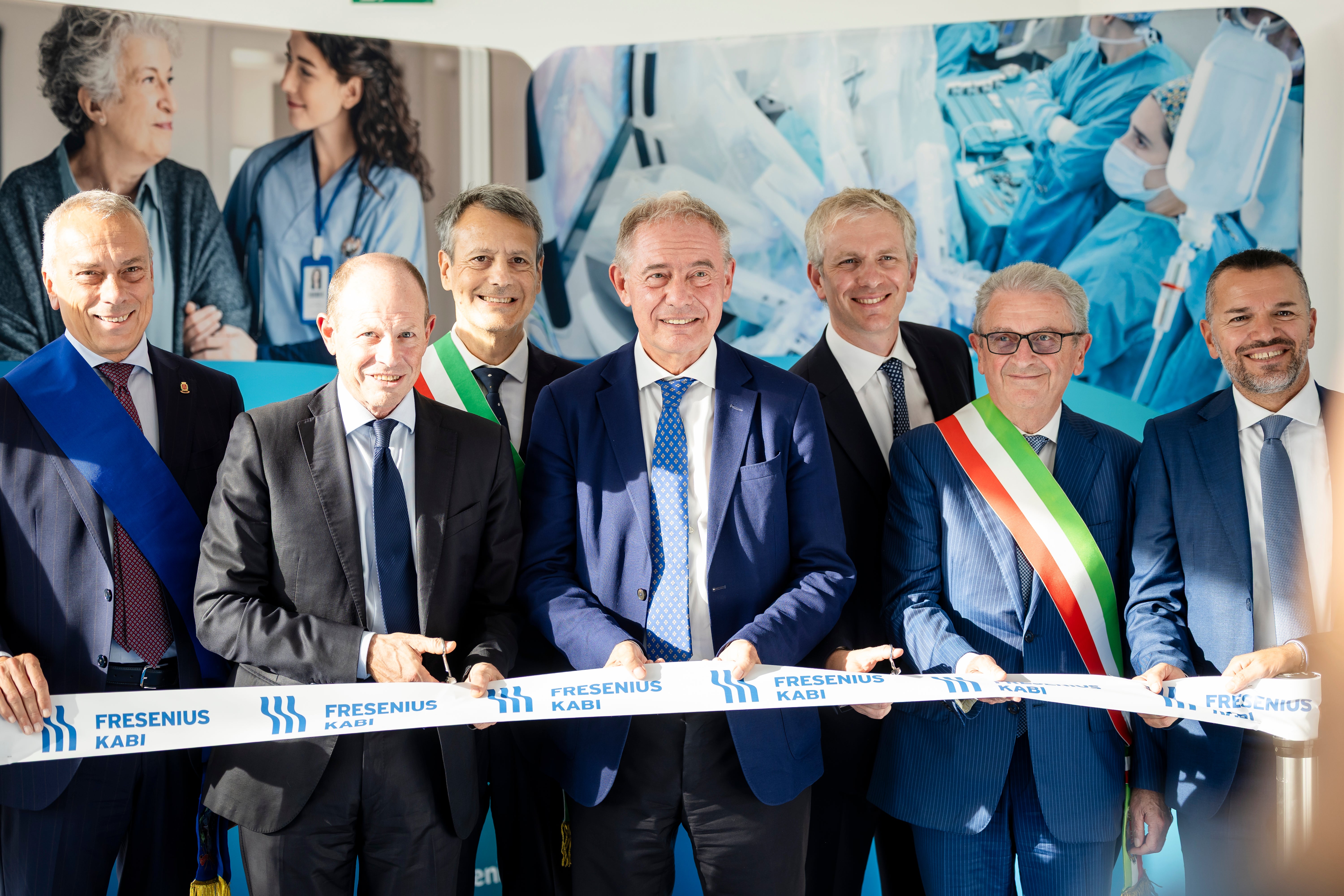
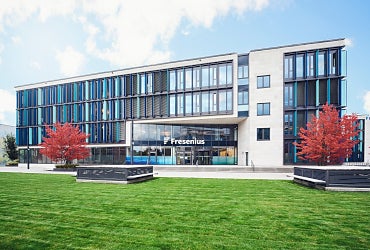
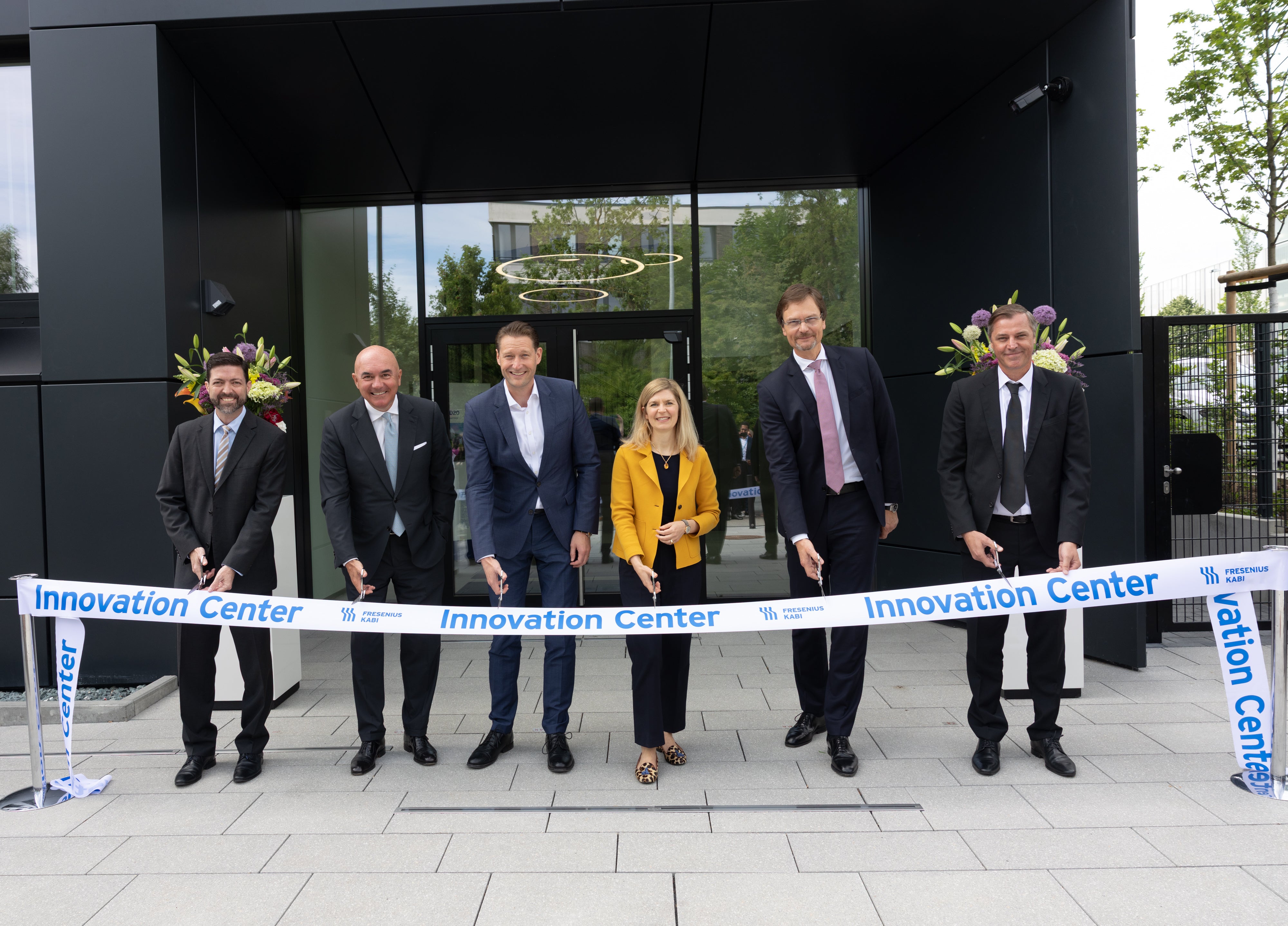
Fresenius today officially opened its new Innovation Center in Bad Homburg, Germany, marking a major milestone in strengthening research, development, and innovation in medical nutrition. The state-of-the-art laboratory, modern IT infrastructure and office facility accelerates new product development and drives innovation-led growth. In addition, it underscores Fresenius’ commitment to advancing patient care through science-based solutions and reinforces Europe as a key hub for healthcare.
“With the new Innovation Center, we are further embedding science in our Fresenius campus in Bad Homburg, strengthening collaboration and enabling fast, integrated decision-making. This is a clear commitment to our mission of improving patients’ lives through high-quality, accessible medical nutrition.” emphasized Sara Hennicken, CFO of Fresenius, who is also responsible for real estate within the group, and host of the opening ceremony.
Under the guiding theme A New Chapter for Medical Nutrition, the new center will bring approximately 100 experts from multiple disciplines under one roof, fostering collaboration, execution excellence, and innovation. By consolidating previously decentralized teams, Fresenius is creating a highly integrated environment to accelerate the development of next-generation nutritional therapies.
Nutrition as a cornerstone of patient health
Medical nutrition plays a critical and often underrecognized role in patient outcomes. Particularly for individuals suffering from malnutrition, a condition that can significantly affect recovery, hospital stays, and overall quality of life. The Innovation Center will focus on advancing enteral nutrition solutions, including the development of products within the company’s portfolio designed to meet the needs of vulnerable patient populations. In parallel, it drives the development of automated pumping systems for patient-specific compounding of sterile ingredients into bags for parenteral nutrition (PN) solutions. This enables the preparation of tailored micro- and macronutrient PN admixtures while reducing the need for manual additions.
“Innovation is at the heart of everything we do,” said Dr. Marc-Alexander Mahl, President Pharma, Nutrition and Sustainability. “By combining scientific excellence with a deep understanding of patients’ needs, we are developing nutritional solutions that make a tangible difference in clinical practice and everyday life.”
At the center of the current strategic phase Rejuvenate is growth through innovation. The new facility embodies Fresenius’ broader ambition to translate scientific insights into practical healthcare solutions. As part of its long-term strategy, the company is investing in innovative platforms that bridge science and patient needs in line with #FutureFresenius.
With more than €50 million invested in the overall Bad Homburg campus in recent years, the Innovation Center adds to Fresenius’ ability to develop future-oriented therapies and contribute to resilient healthcare systems. It also demonstrates the continued commitment of Fresenius to its local-for-local approach not only when it comes to production but also in research and development.
Opening ceremony with distinguished participants
The opening ceremony brought together representatives from different functions, highlighting Fresenius leadership, research, and local government, including Sara Hennicken, CFO Fresenius, Alexander Hetjes, Mayor of Bad Homburg, Pierluigi Antonelli, CEO Fresenius Kabi, Dr. Marc-Alexander Mahl, President Pharma, Nutrition and Sustainability, and José Mainou, SVP R&D Enteral Nutrition Fresenius Kabi. Their presence highlighted the significance of the new center for both the company and the regional innovation ecosystem.
“Bad Homburg and Fresenius have been closely connected for decades,” said Mayor Alexander Hetjes. “The company plays a particularly significant role in shaping our city economically and as an employer. At the same time, Bad Homburg offers an environment in which innovation, growth, and international talent find ideal conditions. It is a strong signal that Fresenius is investing here at the Bad Homburg site in research, development, and future viability.”
A strong signal for the future
The new Innovation Center reflects Fresenius’ commitment to patient-centricity, operational excellence, and technological leadership. By investing in cutting-edge infrastructure and interdisciplinary collaboration, the company is strengthening its ability to shape the future of medical nutrition, directly benefiting patients, healthcare systems, and society as a whole.
Fresenius (XFRA: FRE, OTCQX: FSNUY) is a global, therapy-focused healthcare company dedicated to saving and improving human lives around the world. Through Fresenius Kabi and Fresenius Helios, the company delivers system-critical, innovative and affordable healthcare across the full continuum of care: Fresenius Kabi is a leading provider of lifesaving medicines, clinical nutrition, and medical technologies for critically and chronically ill patients, reaching around 450 million people each year. Fresenius Helios is Europe’s largest private hospital operator, treating around 27 million patients annually. With more than 178,000 employees and operating in more than 60 countries, Fresenius generated €22.6 billion in revenue in 2025.
For more information, visit www.fresenius.com and follow Fresenius on LinkedIn.
This release contains forward-looking statements that are subject to various risks and uncertainties. Future results could differ materially from those described in these forward-looking statements due to certain factors, e.g. changes in business, economic and competitive conditions, regulatory reforms, results of clinical trials, foreign exchange rate fluctuations, uncertainties in litigation or investigative proceedings, the availability of financing and unforeseen impacts of international conflicts. Fresenius does not undertake any responsibility to update the forward-looking statements in this release.
Fresenius SE & Co. KGaA
Registered Office: Bad Homburg, Germany / Commercial Register: Amtsgericht Bad Homburg, HRB 11852
Chairman of the Supervisory Board: Wolfgang Kirsch
General Partner: Fresenius Management SE
Registered Office: Bad Homburg, Germany / Commercial Register: Amtsgericht Bad Homburg, HRB 11673
Management Board: Michael Sen (Chairman), Pierluigi Antonelli, Sara Hennicken, Robert Möller, Dr. Michael Moser
Chairman of the Supervisory Board: Wolfgang Kirsch
A patient – let’s call him Rolf Müller, in his early 60s, a long-time smoker – is sitting in the waiting room of his family doctor this morning. It is a routine visit – no complaints, no specific reason. His elevated risk profile becomes evident in the course of the consultation. The doctor decides to refer him for a computed tomography (CT) scan, as a precautionary measure. What the scan reveals is totally unexpected and comes as a real shock to Müller: a shadow on the lung. A chance finding – as is so often the case. The patient’s disease is already at an advanced stage, as is typical for many other affected people. The therapeutic options are now generally limited, with only one form of treatment often remaining, which buys the patient time but can no longer cure him.
Lung cancer is one of the most dangerous diseases – not primarily due to a lack of therapies, but because the disease is often only discovered very late. There are generally no symptoms in the early stages, and the disease causes hardly any discomfort. This means that diagnoses are often made late when metastases are frequently already present. Until now, patients have generally only been referred for radiological examination of the lungs if they present with clear symptoms such as a persistent cough or coughing up blood, if there is a clear indication – or if they are referred by chance. As a result, around 45,000 people in Germany die from the disease every year. This doesn’t have to be the case – because the earlier lung cancer is detected, the better the chances of it being treated.
Screening: A game changer and turning point in early detection
Since April, this situation has fundamentally changed. The new legally enshrined lung cancer screening program provides structured access to early detection for high-risk patients for the first time. Here, too, the starting point is a consultation with the family doctor, followed by a referral to a radiology practice for a low-dose CT scan. The lungs are examined using significantly lower levels of radiation, while still creating high-resolution cross-sectional images of the organ. Tumors or suspicious nodules are usually easy to spot in these images. The target group covers heavy and long-time smokers – whether active or former – aged 50 to 75. They can now all be referred for targeted screening, regardless of symptoms, in order to detect any changes at an early stage.
The aim of the screening program is clear: To detect diseases before symptoms arise and it’s too late. The crucial difference is that it is now a systematic, risk-based approach that determines the time of diagnosis rather than a chance discovery or certain symptoms. “Early detection has a clear aim: To spot lung cancer at an early stage when a cure or long-term treatment to keep it in check is still possible,” says Chief Physician Prof. Torsten Bauer, Head of the certified Lung Cancer Center at the Helios Hospital Emil von Behring in Berlin.
The treatment pathway is fundamentally different
This fundamentally changes the course of treatment for our patient. Accordingly, we have to tell his story differently from this point on. Müller is identified as a high-risk patient at an early stage and specifically referred for screening. If the CT reveals any abnormality, a clearly structured treatment pathway follows for him. “Those with a positive screening result or one that requires further investigation after the CT scan should contact a specialized lung cancer center as soon as possible. These centers have the necessary experience and high-tech equipment to provide a reliable diagnosis and the right therapy,” advises Prof. Bauer. Helios operates around a dozen such highly specialized lung centers, which are closely networked with other hospitals and medical practices. Seven of them are certified. “At Helios, we treat over 32,000 cases of lung cancer a year and give our patients access to our experts – regardless of the location,” says Prof. Frederick Palm, Helios Medical Consultant.
Lung cancer centers use high-precision modern procedures – such as the Ion robot-assisted bronchoscopy system
Decisions about individual treatment are always made on an interdisciplinary basis at these lung cancer centers, with knowledge pooled from across very different branches of medicine. High-precision modern procedures – such as AI – are also used at the specialized lung cancer centers. The radiological findings from the lung cancer screening process are evaluated here with the aid of artificial intelligence, including the Ion robot-assisted bronchoscopy system. This pushes the boundaries of what is medically possible. A total of five locations – the Helios Lung Cancer Centers in Berlin, Bonn/Siegburg, Krefeld/Duisburg, Wiesbaden, and, from April, Erfurt – use the innovative Ion bronchoscopy system for diagnostics, which enables the treating physicians to penetrate particularly deep into the lung in a minimally invasive process and take samples of suspicious tissue with pinpoint accuracy. “The new robotic system for bronchoscopy is a game changer. We can use it to get to the deepest lung tissue and can even reach millimeter-sized suspicious nodules and take samples. This has not been possible with endoscopy until now,” explains Dr. Joanna Krist, Senior Pulmonary Physician in Heckeshorn Lung Clinic at Helios Hospital Emil von Behring in Berlin. Read more about Ion in the box.
Helios provides end-to-end care
The lung cancer screening program thus makes it possible to create an end-to-end care concept – and precisely therein lies one of Helios’ strengths. The hospital network, which operates around 80 hospitals in Germany, combines state-of-the-art radiological diagnostics with therapy wherever possible at its specialized lung cancer centers. If the suspicion of lung cancer is confirmed, then everything happens very quickly: Taking an interdisciplinary approach, lung specialists, thoracic surgeons, oncologists, and radiologists get together on the tumor board to decide on the optimal individual treatment plan for each patient. “Various options are considered, depending on the stage of the cancer. They range from minimally invasive surgery to radiotherapy, chemotherapy, or immunotherapy,” says Prof. Torsten Bauer. If the treatment plan requires an operation, the tumor can be removed in a minimally invasive procedure using the da Vinci robotic assistance system.
Screening has the potential to benefit 5.5 million people across Germany
The new screening program could potentially benefit 5.5 million people in Germany. At the same time, a new end-to-end care concept has been created, in which early detection, diagnosis, therapy, and aftercare are closely interlinked and pick up the patients. In an ideal scenario, these interlinked steps mean that those affected will get a much earlier diagnosis, the option of starting treatment earlier, a less invasive procedure, and a better chance of being cured. Helios is one of the few networks that can cover the entire clinical treatment pathway with highly specialized cancer centers. The situation has fundamentally changed for our patient. Whereas he may previously have died of his illness because the cancer was discovered much too late, he now benefits from a clearly structured treatment pathway from early detection to highly professional treatment, significantly improving his chances of survival – not least because there are players like Helios who are ideally prepared for such scenarios.
New online self-testing offers quick guidance
Those interested in screening can take a new online test to find out whether an investigation for early lung cancer detection is an option for them. Self-test link
How the Ion system works
The ion endoluminal system is a robot-assisted bronchoscopy system used to diagnose pulmonary nodules. It enables doctors to target even the smallest nodules, even if they are located deep in the tissue or at the outer peripheries, making it possible to investigate difficult-to-access areas.
Before the procedure with the Ion software, a three-dimensional model of the lungs – known as a “digital twin” – is created on the basis of CT images. This serves as a navigation aid and shows the medical team the optimal route to the abnormality. During the investigation, an ultrathin, maneuverable catheter is inserted into the lungs via the airways. Its position can be tracked in real time thanks to modern sensor technology.
The catheter is parked at the potentially cancerous site. Instruments used to take tissue samples can then be inserted. The tissue can then be removed with millimeter precision and sent for further analysis.
Today, Fresenius has launched the AI-powered assistant – “AskFRE” – on its Investor Relations (IR) website, marking an important step in advancing its digital capital markets communications. The solution is a joint initiative of the Fresenius AI Center of Excellence and the Investor Relations team.
With AskFRE, visitors can now interact with an integrated AI chatbot that provides direct answers to capital market-relevant information. This includes financial results, company updates and other IR content – based exclusively on publicly available Fresenius disclosures.
In an increasingly fast-paced and data-driven environment, digital investor relations play a key role in delivering timely, transparent and stakeholder-focused communication. AskFRE supports this ambition by enabling more intuitive access to financial information and tailored user interactions, while reinforcing the consistency and accessibility of Fresenius’ disclosures.
With AskFRE, Fresenius underscores its commitment to advancing a best in class digital investor relations experience.
AskFRE is now available: https://www.fresenius.com/AskFRE-Your-IR-Assistant