Quarterly Financial Report Q1 2026 (IFRS)
#FutureFresenius is making the company fit for the future: Fresenius is focussing on its Operating Companies Fresenius Kabi and Fresenius Helios, so on the three therapy platforms (Bio)Pharma, MedTech and Care Provision. They cater to system-critical areas of healthcare and are geared toward value creation and profitable growth. The two Operating Companies are to now also work together more closely. And the brand identity must reflect and support this.
(Published: May 2024)
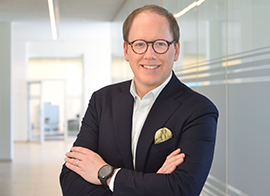
Fresenius CEO Michael Sen introduced the new brand identity to the public at the Annual General Meeting in May 2024. It will now be rolled out across the Group by the end of the year.
“Fresenius is now fresher and more modern. The company logo has not been changed entirely, but rather revamped. Among others, we have updated the color palette to fit perfectly with the digital world. This brand image stands for a new Fresenius. Internally, we hope that the uniform brand identity will help us to grow even closer together as Team Fresenius. Because regardless where we work, we are all Fresenius. Externally, we want Fresenius to be recognized as a leading global healthcare company. A brand is always a promise. For us, our promise is “Committed to Life,” whereby we consistently strive to improve people’s lives”, said Michael Sen, CEO of Fresenius.
A person is more than their illness
With Fresenius Kabi, Helios and, Quirónsalud, the company has a unique portfolio and expertise. It understands the life dimensions of illness and health better than any pure medical technology or pharmaceutical company ever could. The new brand identity aims to support exactly this: The new Fresenius. Because regardless of where employees work, they are all Fresenius! Externally, the company wants to create a consistent image and to be recognized as a leading global healthcare company. Which is why Fresenius has revamped all aspects of the brand image: the logos, colors and shapes, fonts and images. Particularly the bright, modern color palette perfectly fits into the digital world. The Kabi, Helios, and Quirónsalud logos will remain. However, they will be incorporated into the new Fresenius world visually so that it is always clear that Fresenius is ONE team.
Fresenius sees that people are more than just their illness. It sees the lives they lead – within their families, their communities, and their jobs. It accompanies people throughout their whole lives, for better or for worse. Fresenius is there when it matters. This is what the entire #TeamFresenius works toward each and every day with its 190,000 colleagues.
A brand is always a promise; for Fresenius, a promise to its customers – and especially its patients. The Fresenius promise is “Committed to Life.” The company consistently strives to improve people’s lives.
Key brand elements: more than the sum of its parts
Logo
The new Fresenius logo expresses the company’s self-image as a symbol and word mark. The geometric lines of the existing logo have been replaced with more emotional and organic forms. At the same time, its shape reminds of the “F” in Fresenius and brings the company’s brands together with a new common color scheme.
“Bond for Life”
One key design element is the “Bond for Life,” which derives from the lifelines of humans. It symbolizes the different needs that humans have during various phases in their lives. The “Bond for Life” is inspired by the lifeline in the palm of our hands and signifies people’s needs during the different phases in their lives – with all their ups and downs. These reflect the connection between all of the Fresenius businesses, which support people at every stage in their lives as best possible.
Rollout by the end of the year
Fresenius has planned the implementation of the relaunch in phases: The first phase is completed with the Annual General Meeting and introduction of the new Fresenius brand at corporate level.
Now it's the Operating Companies' turn next: Their appearances will be harmonized with the new Fresenius brand presence and drive the launch forward together. Cross-business teams are already working together here. There will also be information and guidelines on this in the coming weeks - until then, the previous design of the Operating Companies will apply.
The final harmonization and completed new brand architecture should be jointly defined and introduced by the end of the year.
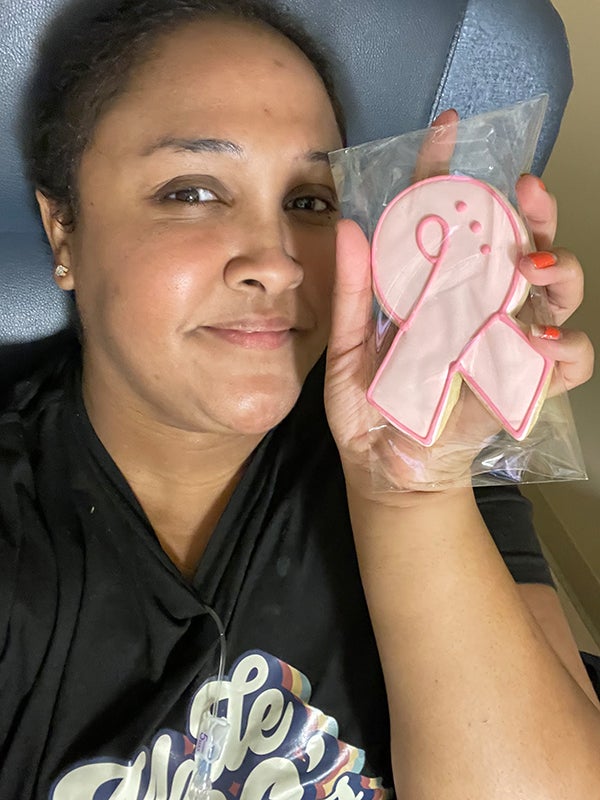
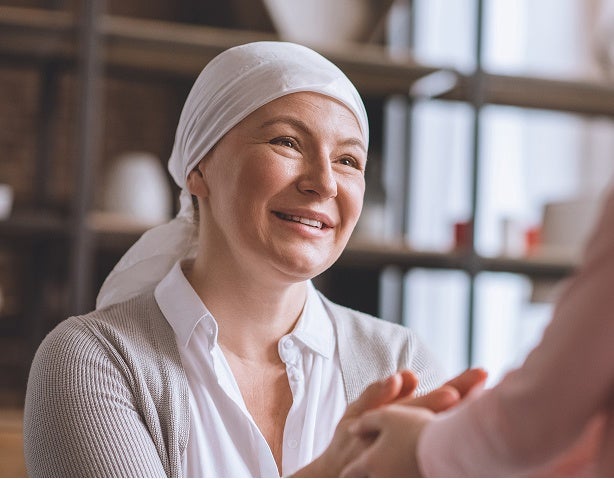
Alma Fredricksen and her partner were about to start a family when she discovered a lump in her breast. After mammography and ultrasound, it was clear that she had breast cancer. On the same day, she found out that she was pregnant – news that made the situation even more emotional. Fredricksen began a course of chemotherapy and discovered that many of the drugs administered were supplied by Fresenius Kabi, the company she worked for. This gave her peace of mind – and filled her with pride.
“Fresenius Kabi products were used throughout my treatment, from the chemotherapy to the birth of my daughter. I have now regained my health and given birth to a healthy child,” says Fredricksen, who was treated in the US. What the patient experienced completely changed her view of her company. “I have first-hand knowledge of how my colleagues work every day to help ensure that patients like me receive comprehensive care and the best possible therapy,” she says.
(Published: January 2026)
Breast cancer. Words that can stop a person in their tracks and turn their life upside down in an instant. With around 74,500 new cases each year, breast cancer is the most common type of cancer among women in Germany – and around 700 men are also affected.
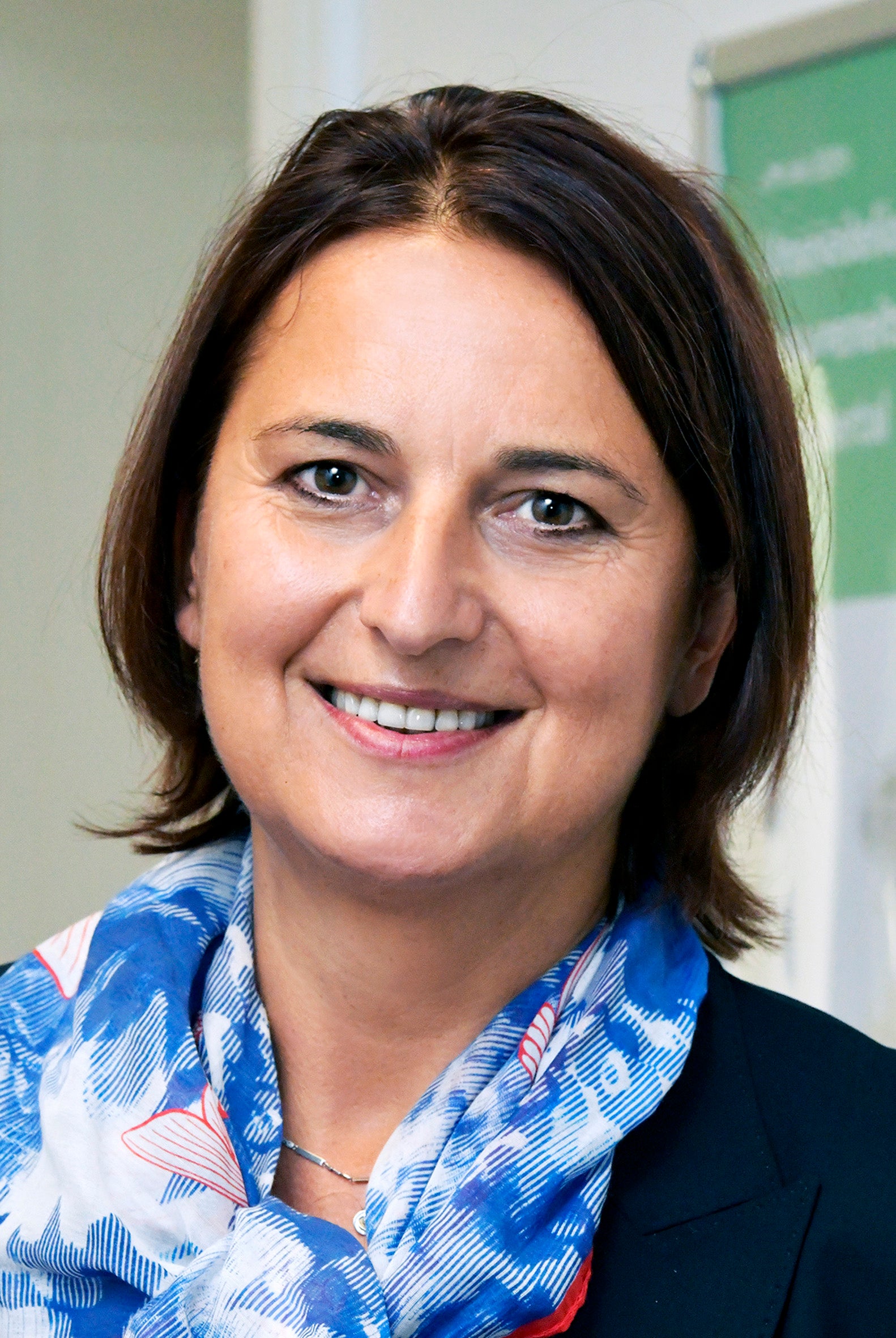
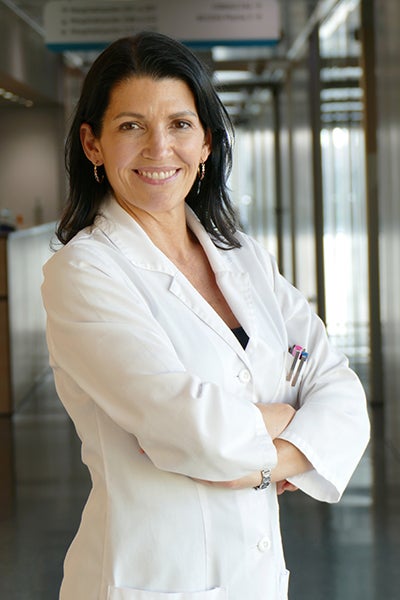
But the chances of being cured are now higher than ever. Thanks to better screening and modern forms of treatment, mortality rates are continuously falling. “Education delivered by experts is particularly important,” says Prof. Vesna Bjelic-Radisic, Chief Physician in the Breast Center at Helios University Hospital Wuppertal (HUKW). “It is equally essential that women take advantage of the screening services. Studies reveal that more consistent participation in mammography screening programs could prevent a further 20 to 30 percent of deaths. The earlier we detect breast cancer, the greater the chances of a cure.”
Fresenius is synonymous with modern medicine and reliable care – worldwide. Whether in hospitals, laboratories, production facilities, outpatient clinics, or administration offices, people everywhere are pursuing the same goal – to improve the lives of patients. This mission ranges from prevention and diagnosis to therapy and aftercare, with the focus always on people – as patients, relatives or employees. That is especially the case for breast cancer treatment, where medical teams and researchers work closely together to ensure the best possible care.
Fresenius Kabi plays an important role along the care journey, with Pharma and Nutrition in the focus. This means not only during the therapy itself, but also in the prehabilitation stage – i.e., when preparing for procedures – and in the course of outpatient aftercare.
Fresenius Kabi offers a wide range of oncology medicines, including chemotherapeutic drugs and biosimilars, which are also used in breast cancer treatment.
Adequate and suitable nutrition for patients undergoing oncological treatment is an area of high unmet need and one that Fresenius Kabi can support with specialized products in both parenteral and enteral nutrition, to help improve quality of life outcomes and reduce side effects.
Helios has over 50 certified breast centers in Germany, where doctors from across a wide range of disciplines work closely together. Modern imaging techniques, minimally invasive surgery, and systemic and personalized therapy are all standard here, along with aftercare and rehabilitation services. The medical and nursing teams not only guarantee high-quality medical care, but also provide education and offer psychosocial support with a great deal of empathy.
“A cancer diagnosis never affects the body alone,” says Prof. Vesna Bjelic-Radisic “We support our patients through all phases – from their initial diagnosis to their return to life. Rather than just treating the tumor, it’s about seeing the whole person in their life situation.”
Quirónsalud, the main private hospital operator in Spain and part of the Fresenius Group, also offers breast cancer patients the highest level of care. At its centers, professionals use cutting-edge multidisciplinary procedures: from digital mammography and 3D tomosynthesis to intraoperative radiotherapy and personalized hormonal and chemotherapy treatments.
Special emphasis is always placed on individualized therapy: interdisciplinary teams adapt each treatment to the type of biological tumor and the patient’s circumstances. “Compared to recent years, we are witnessing a revolution in the early diagnosis and treatment of these tumors. In both early and advanced disease, the majority of patients are cured, and the most chronic patients have an excellent life prognosis,” explains Dr. Lucía Gonzalez Cortijo, head of the Medical Oncology Service at Quirónsalud Madrid University Hospital.
Fresenius is also actively involved in research. One model institution is Helios University Hospital Wuppertal, whose breast center under the direction of Prof. Vesna Bjelic-Radisic was named “Germany’s best study center” by the German Breast Group. Patients are given access to innovative therapies here – often long before they are generally available.
Another hotbed of research can be found at Helios Hospital Berlin-Buch, where Prof. Michael Untch has been researching antibody-drug conjugates (ADCs) for over 20 years. These combine targeted antibodies with cell-killing agents and offer new hope, particularly for patients who have exhausted all other treatment options. In a long-term study, around 90 percent of women who received such medicine survived – even though they previously had a very poor prognosis.
Quirónsalud is also involved in international studies on new diagnostic and treatment approaches – focusing on the combination of targeted therapies and immunotherapies, for example. Its centers in Madrid, Barcelona, and Seville are conducting various Phase II and III studies in conjunction with the Spanish Society of Medical Oncology (SEOM), Spanish universities, and other European partners. Fresenius employees are committed to rising to all these challenges with the aim of enabling patients to make a return to leading a normal, healthy life.
Just like Alma Fredricksen: Following her successful treatment, she has returned to work and resumed her former life. And is grateful to be part of it all again. “Behind every order, every project, and every decision are people who we can help in a very specific way,” says Fredricksen.
Further information and the latest articles on the subject of breast cancer can be found on the Helios website: www.helios-gesundheit.de/brustkrebs

(Published: February 2026)
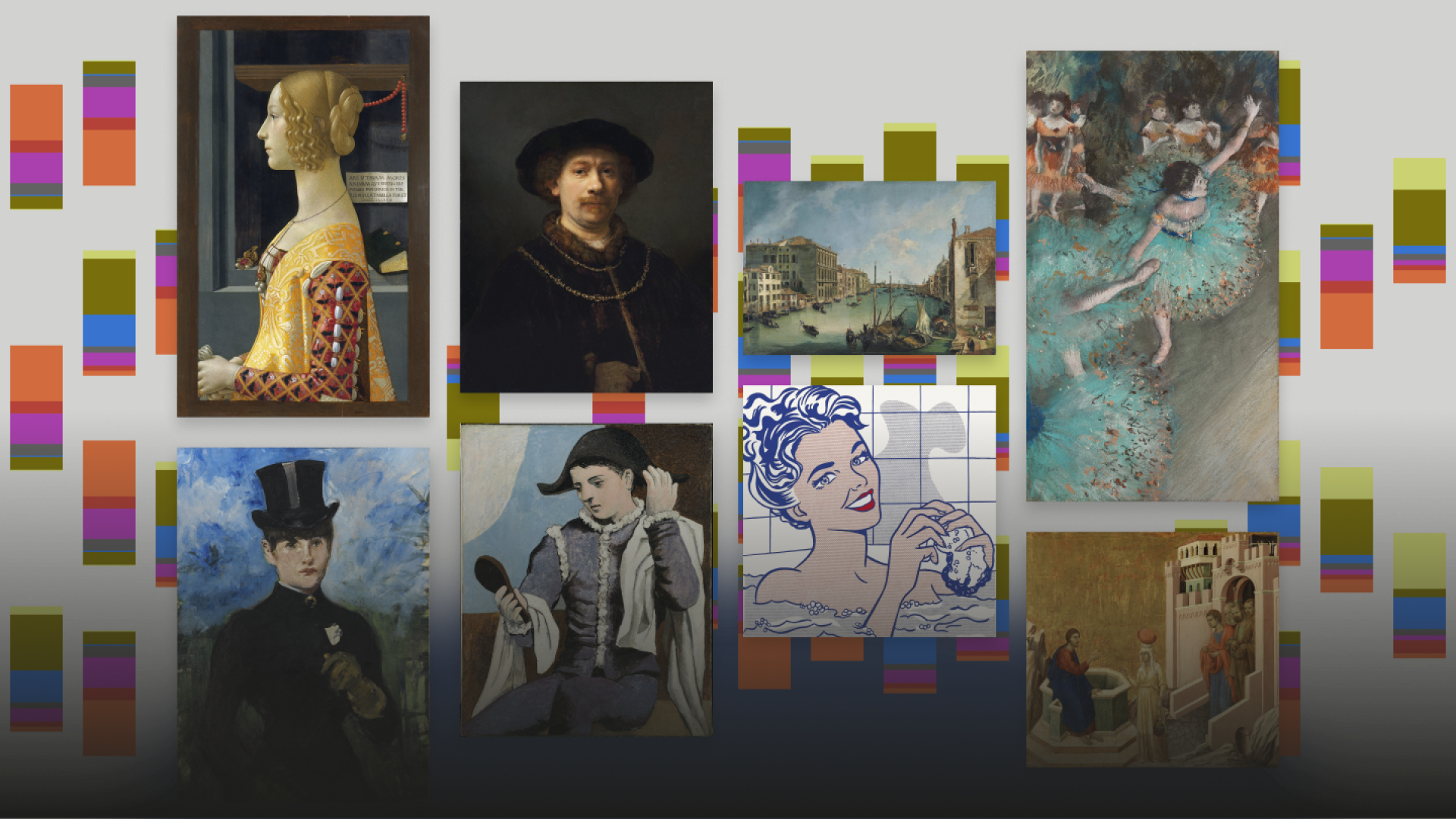
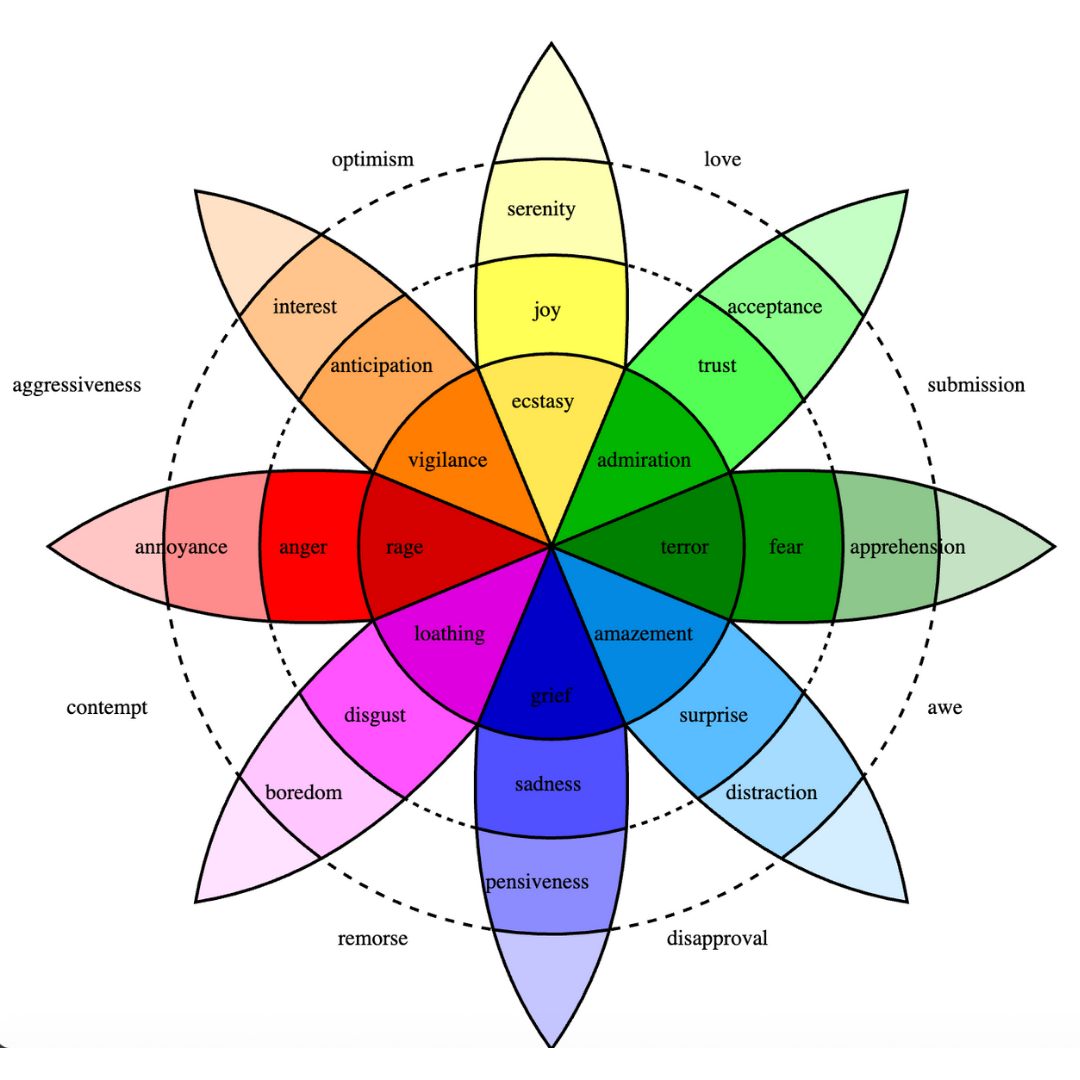
A face in front of a screen. A brief glance at a painting. A barely perceptible twitch of the facial muscles; subtle changes in skin response; the eyes lingering on specific details of the image. These subtle cues, which often go unnoticed in everyday life, are precisely captured in the research project “Emociones a través del arte.” In May 2024, Quirónsalud, our Spanish hospital business, launched the project in collaboration with Museo Nacional Thyssen-Bornemisza and Universidad Rey Juan Carlos, both in Madrid. The central question was: What emotions does art trigger in us? And can this impact be measured objectively and quantitatively? This was the first scientific study of its kind.
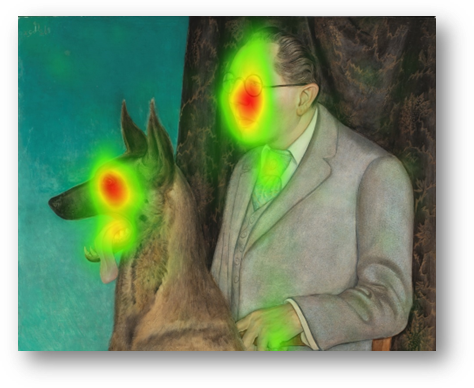
Over a period of eight weeks, researchers examined the reactions of 127 individuals, including patients form Quirónsalud. Selected paintings from different periods and various collections of the museum were presented to them digitally. Using a range of methods, the researchers analyzed which visual elements attracted particular attention and which emotions the artworks evoked in viewers.
The results are clear: color, composition, and lighting play a decisive role in influencing emotions in measurable ways. Some images produced surprisingly consistent emotional responses, while others defied common expectations. And: some works predominantly triggered positive emotions, while others exclusively elicited negative ones. The study thus provides solid, data-based evidence for the long-debated assumption: that art does not only work subjectively, but can deliberately influence viewers’ emotional states, with potential implications for well-being and health.
Relevant here is that the individuals came into contact with the artworks exclusively within the framework of the study, i.e., in a controlled research environment.
“The experiences of our patients are a central component of our understanding of health. Initiatives such as the ‘Emociones a través del arte’ project not only help us to deepen our knowledge based on scientific evidence. They also open up entirely new perspectives, enabling us to continuously work towards excellence in care and improving people’s well-being,” says Dr. Cristina Caramés, Quirónsalud's Director of Healthcare and Research.
The results of the research project, published in spring 2025, by no means mark the end of the investigation. Plans include further analysis of the collected data and translating it into various formats, such as scientific publications or digital applications, as well as using it for new research approaches. The aim is to deepen understanding of the precise relationship between art, emotion, and health.
In the longer term, this is expected to open up new ways of making the positive effects of art accessible to patients – in a structured, evidence-based manner.
Whether in a scientific setting or in everyday hospital care, both Quirónsalud initiatives follow the same conviction: health encompasses more than just medical parameters and guideline-based treatment. Emotional stability and people’s subjective sense of well-being are equally important factors, particularly in the context of serious illness. Quirónsalud therefore combines innovative research and professional practice. Art thus becomes a building block of an expanded, holistic understanding of health.
https://www.museothyssen.org/en/special/emotions-art
(Published: February 2026)
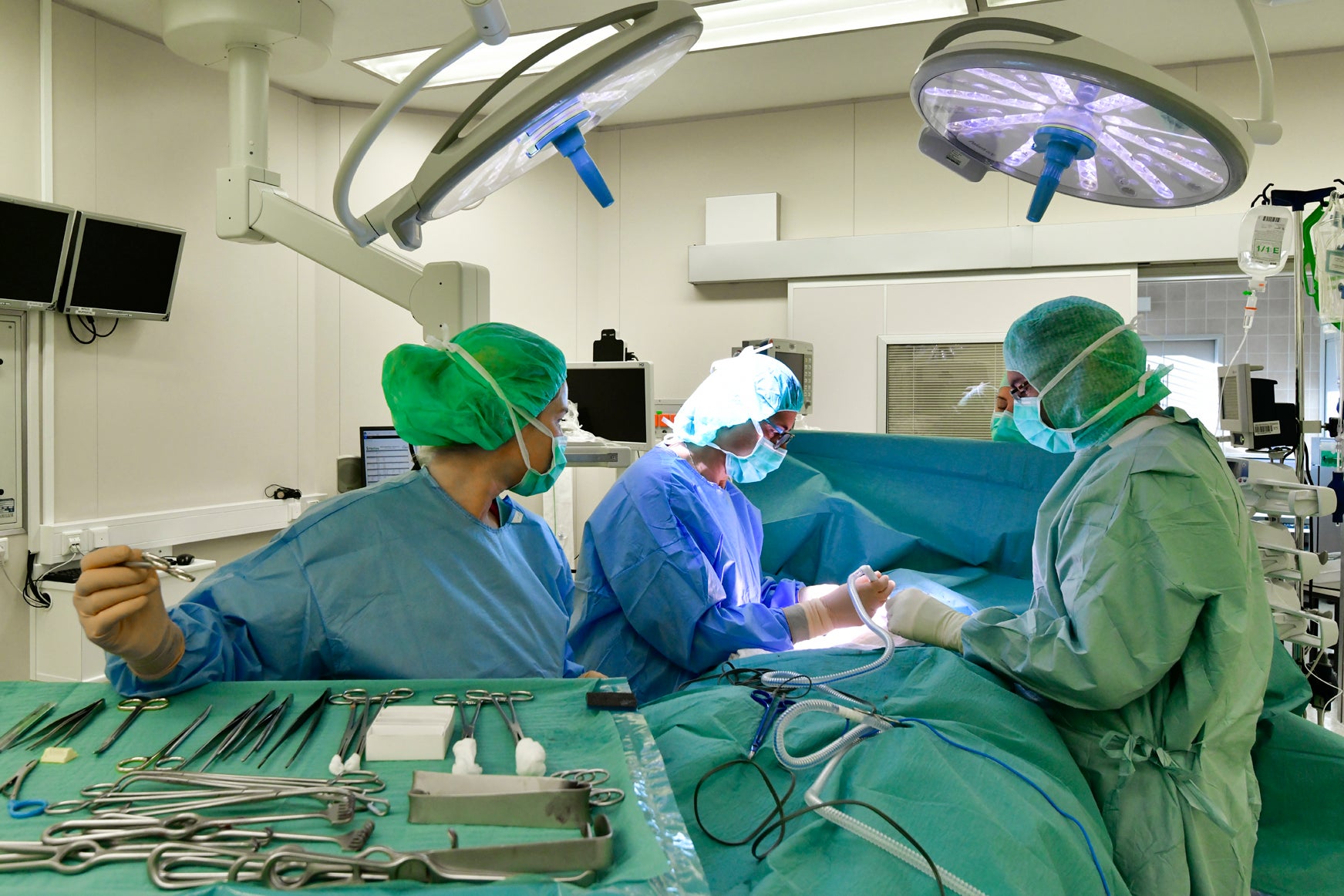
Grit Otto-Moritz is not sitting in the treatment room at Helios Hanseklinikum Stralsund for the first time. The 60-year-old agricultural engineer was diagnosed with breast cancer back in 2013. At the end of 2025, she was diagnosed with lung cancer; she has overcome both diseases. In mid-January, however, another serious diagnosis followed: the former breast cancer had metastasized and spread to her bones.
At Helios Hanseklinikum Stralsund, her medical history is therefore being reviewed once again in its entirety. Findings are reassessed, assumptions questioned—nothing can be overlooked now. For her treating physician, Dr. med. Hussein Abdallah, Senior Consultant in General, Thoracic and Visceral Surgery, diagnostic precision is paramount. The patient experiences firsthand that at Helios, doctors do not look at individual diagnoses in isolation, but focus on identifying connections.
Her story is emblematic of many people affected by cancer, particularly patients with complex or multiple diagnoses. It illustrates why individualized cancer care is crucial—and why World Cancer Day offers an opportunity to reassess this commitment time and again.
On World Cancer Day, Fresenius highlights its contribution to cancer care and shows how colleagues across the company work every day to support people living with cancer in the best possible way.
Fresenius accompanies patients throughout all phases of their disease. Fresenius Kabi, Helios and Quirónsalud provide care that brings together medical treatment, innovative medical products, modern technologies and supportive services.
Support ranges from prevention and early detection to diagnostics and personalized therapies, acute clinical treatment, as well as aftercare, long-term follow-up and palliative or home-based care.
At the center is always the person—patients as well as employees. Physicians, nurses, therapists, researchers and many other professional groups jointly take responsibility for cancer care that is individualized and reliable.
Cancer rarely follows a straight path—and neither does care. Therapy phases change, recovery occurs in waves. This reality repeatedly confronts patients with new challenges. Fresenius Kabi employees align their work precisely with this reality.
In addition to tumor treatment itself, this includes reducing side effects and pain, maintaining physical strength.
Fresenius Kabi contributes to this with a broad portfolio of treatments and services. This includes biologic medicines and essential drugs used in both treatment and supportive care.
These are complemented by infusion technologies, devices and technical expertise that ensure safe and reliable administration.
Biosimilars improve security of supply and access to effective targeted therapies, particularly for complex and multiple cancer conditions. Another key component is clinical nutrition, which supports patients whose nutritional status is impaired by illness or therapy.
At Helios, cancer treatment is also far more than a single therapy. Across more than 90 hospitals nationwide, every course of treatment begins with a careful review of the patient’s medical history and current life situation. Based on this, specialized teams develop individually tailored treatment concepts. Helios draws on the expertise of a nationwide network of certified cancer centers.
Grit Otto-Moritz’s story shows how important this approach is. Dr. med. Hussein Abdallah explains: “When a patient has already had multiple cancer diagnoses, particularly careful evaluation of all findings is essential to ensure that an additional tumor is not overlooked. In interdisciplinary tumor conferences, colleagues from different specialties contribute their expertise to define the best possible treatment.”
Priv.-Doz. Dr. med. Daniel Pink, Head of the Oncology Center at Helios, also emphasizes the importance of close collaboration: “The best treatment outcomes for the diverse and often complex cancer diseases are achieved through close interdisciplinary cooperation among many experts. At Helios, we also work closely with office-based physicians during follow-up care.”
(Published: April 2026)
April 7 marks World Health Day, which in 2026 is held under the motto “Together for health. Stand with science.” It highlights the importance of scientific evidence and collaboration as the foundation for progress in medicine and better patient care.
These advances do not happen by chance. They are the result of intensive research, continuous innovation efforts, and close international collaboration between science, industry, and clinical practice. This ambition also applies to Fresenius. Across our company, many of our approximately 175,000 employees work every day across all segments to translate scientific insights into tangible improvements in diagnostics, medicines, and patient care. Prof. Dr. med. Ralf Kuhlen, Chief Medical Officer, Corporate Development, Fresenius, puts it succinctly: “We aim to turn scientific evidence into better care – standing with science with the goal of making treatments more efficient, safer, more reliable, and accessible for more patients.”
One of those patients is Benjamin Kaiser. When he visits his general practitioner after two weeks of persistent abdominal pain, he does not expect a diagnosis that will fundamentally change his life within hours. But in the days to come, further diagnostics provide certainty: an aggressive B-cell lymphoma. Exhausting examinations follow, along with initial immunochemotherapy. But after six cycles, it becomes clear: the tumor has not regressed; it has continued to grow. For the 37-year-old, further treatment options needed to be considered. In this situation, CAR T-cell therapy represents a standard treatment approach. In Germany, at this period of time, this therapy was no longer restricted. However, as this therapy requires highly specialized expertise, it is typically performed only at selected centers; one of the reasons why Benjamin is referred to the specialized treatment center at Helios Klinikum Berlin-Buch.
The fact that this therapy is available today in Germany is the result of international clinical research and the active involvement of our Helios colleagues. The team in Berlin-Buch participated in the TRANSFORM study and enabled patients to gain early access to this innovative treatment. Since 2019, CAR T-cell therapies have been performed here on a regular basis. At the same time, researchers are investigating how the therapy can be used in earlier stages of the disease and are analyzing large European registry datasets to better understand which treatments are most effective for which patients.
Dr. Anna Ossami Saidy, a resident physician in Prof. Glaß’s team and a member of the European Lymphoma Working Group, analyzes data from the EBMT registry. “Only by evaluating large volumes of patient data can we understand which therapy works best for which patient, and further develop treatments in a targeted way,” she says. “But this always requires the cooperation of patients.” Her findings show that different CAR T-cell products are similarly effective in comparable cases, an important step toward more individualized treatment decisions. The project was awarded at the EBMT Congress 2026.
For Benjamin Kaiser, this research has had a direct impact: today, no residual tumor is detectable. He plans to return to work, while knowing that follow-up care remains essential. His willingness to make his data available for research is a given for him. One thing becomes clear: Medical progress does not only happen in laboratories, it also depends on patients who are willing to be part of it.
While decisions on patients’ wellbeing are made every day in intensive care units, another factor is increasingly coming into focus at Fresenius: the clinical nutrition of critically ill patients. This is where Fresenius Kabi initiatives come in – driven by researchers and medical experts who aim to advance patient care through science.
Fresenius Kabi invests in the next generation of researchers. Through the international JUMPstart programs, they support young physicians and scientists worldwide with mentoring and training. The goal is to develop their own studies, from initial ideas to implementation. In this way, a growing network of committed researchers is emerging, generating new momentum for medical nutrition, both in intensive care and in chronic diseases.
On top of that, in cooperation with the European Society of Intensive Care Medicine (ESICM), Fresenius Kabi teams from Medical Clinical & Scientific Affairs support concrete research projects in nutrition therapy. Through the ESICM-Fresenius Kabi Medical Nutrition Research Grant, they fund studies addressing key questions of care, such as metabolism, nutrient requirements, and effective nutritional strategies for critically ill patients. Fellowships and training programs also enable young intensive care physicians to translate new insights directly into clinical practice.
The two Fresenius Kabi programs complement each other: while the ESICM cooperation brings current research into practice, JUMPstart builds the foundation for future care. Both initiatives aim to build scientific evidence and translate it more rapidly into clinical practice and thereby improve the care of critically ill & chronically ill patients.
Initiatives such as the EASYGEN consortium also show how collaboration between industry, hospitals, and academia can advance new therapeutic approaches, for example by working to enable decentralized manufacturing of CAR-T cell therapies and improve patient access. “Fresenius-Kabi aims to empower EASYGEN initiatives through the development and deployment of the next generation of Cue cell processing system which utilizes a novel method of T cell selection for closed, autologous CAR T cell manufacturing at scale – facilitating a dual system integration that is being pursued via a pivotal collaboration with TQ Therapeutics”, explains Paige Bothwell, Research Scientist, Fresenius Kabi Research Technologies. The consortium brings together a total of 18 partners and includes _ besides Fresenius Kabi - Fresenius, Helios and Quirónsalud as active participants.
In parallel, Fresenius Kabi’s activities in Pharma focus on providing essential medicines. This includes IV drugs and infusion solutions that are integral to many treatment protocols, particularly in oncology and critical care.
A central pillar of our Biopharma Business Unit is the development of biosimilars – biologic medicines that match reference products in quality, safety, and efficacy while helping to manage healthcare costs. Based on a vertically integrated model from research and development to distribution, Fresenius Kabi is committed to building resilience and reliability across its biosimilar supply chain. In this way, scientific innovation is translated into broader access to effective treatments and more sustainable healthcare systems.
May 26, 2026
Frankfurt, Germany
May 26 – 27, 2026
Quarterly Financial Report Q1 2026 (IFRS)
Fresenius, together with SAP, is investing in Avelios Medical, a company developing a next-generation, cloud-native hospital information system. This marks a further step forward in the strategic partnership between Fresenius and SAP announced in January this year. The objective of the collaboration is to build an open, interoperable, and AI-enabled digital healthcare ecosystem for Germany and Europe. To this end, Fresenius and its technology partner SAP are combining clinical expertise, technological capabilities, and innovative product development to create a new digital infrastructure for hospitals across Europe.
The strategic investment in Avelios Medical is a key building block of this ecosystem. Avelios Medical is developing a modular hospital information system that enables end-to-end digitalization of clinical and administrative processes and is based on open standards. The solution allows for sovereign data usage, high interoperability, and the responsible integration of AI applications. This creates a scalable platform that relieves care teams, harmonizes processes, and accelerates the adoption of innovation in clinical practice.
“We are bringing together what Germany and Europe need in healthcare: medical excellence, technological strength, and the sovereign use of digitalization and AI,” said Christian Pawlu, Chief Operating Officer of Fresenius Helios. “With our investment in Avelios Medical, we are taking another step in building a digital healthcare ecosystem—interoperable, reliable, and AI-ready.”
“We founded Avelios with the conviction that the future of healthcare lies in a data-driven, AI-native, and open health platform,” commented Christian Albrecht, Co-Founder and CEO of Avelios. “With SAP and Fresenius, we are bringing leading technological and clinical expertise to the table—and taking a decisive step toward an open ecosystem for the healthcare industry. This partnership validates our approach, our product, and our team.”
The close collaboration between Fresenius, SAP, and Avelios Medical supports the consistent, clinically driven development of the Avelios solution and accelerates its reliable scaling across the broader healthcare.
This release contains forward-looking statements that are subject to various risks and uncertainties. Future results could differ materially from those described in these forward-looking statements due to certain factors, e.g. changes in business, economic and competitive conditions, regulatory reforms, results of clinical trials, foreign exchange rate fluctuations, uncertainties in litigation or investigative proceedings, the availability of financing and unforeseen impacts of international conflicts. Fresenius does not undertake any responsibility to update the forward-looking statements in this release.
Fresenius SE & Co. KGaA
Registered Office: Bad Homburg, Germany / Commercial Register: Amtsgericht Bad Homburg, HRB 11852
Chairman of the Supervisory Board: Wolfgang Kirsch
General Partner: Fresenius Management SE
Registered Office: Bad Homburg, Germany / Commercial Register: Amtsgericht Bad Homburg, HRB 11673
Management Board: Michael Sen (Chairman), Pierluigi Antonelli, Sara Hennicken, Robert Möller, Dr. Michael Moser
Chairman of the Supervisory Board: Wolfgang Kirsch
Conference Call Q1/2026 Presentation