
(Published: February 2026)
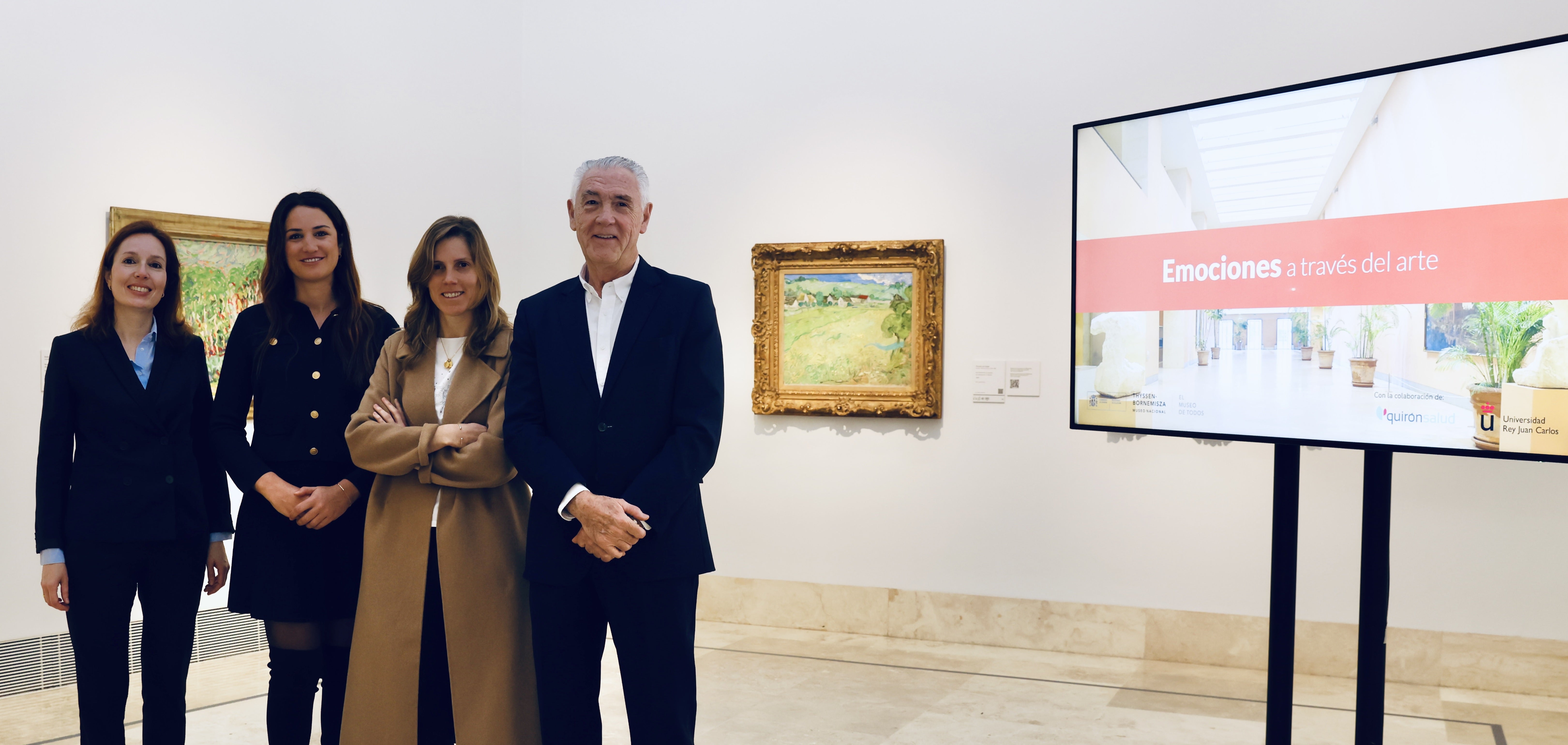
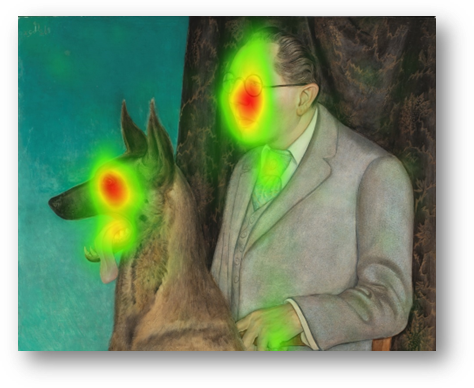
A face in front of a screen. A brief glance at a painting. A barely perceptible twitch of the facial muscles; subtle changes in skin response; the eyes lingering on specific details of the image. These subtle cues, which often go unnoticed in everyday life, are precisely captured in the research project “Emociones a través del arte.” In May 2024, Quirónsalud, our Spanish hospital business, launched the project in collaboration with Museo Nacional Thyssen-Bornemisza and Universidad Rey Juan Carlos, both in Madrid. The central question was: What emotions does art trigger in us? And can this impact be measured objectively and quantitatively? This was the first scientific study of its kind.
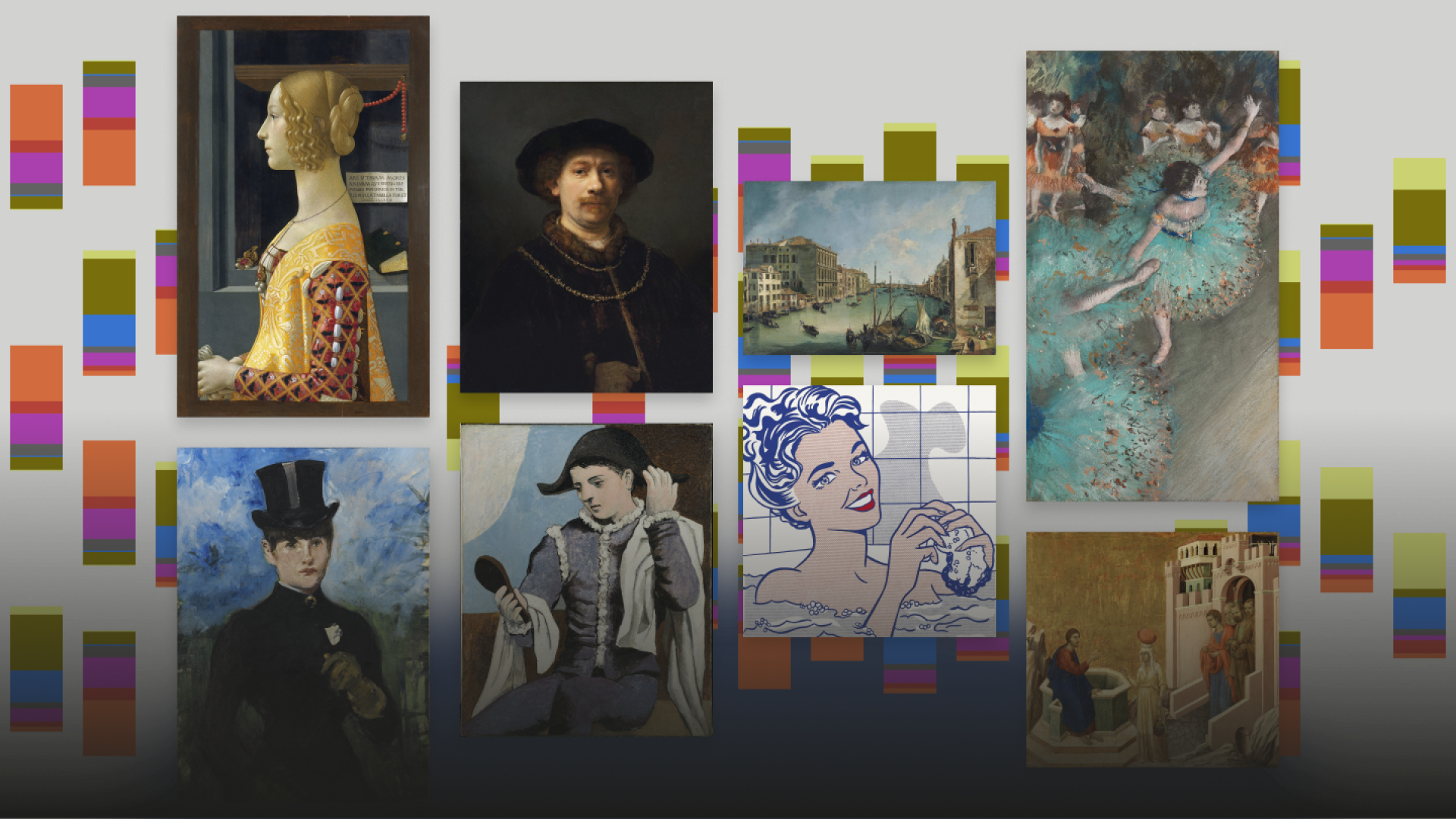
Over a period of eight weeks, researchers examined the reactions of 127 individuals, including patients form Quirónsalud. Selected paintings from different periods and various collections of the museum were presented to them digitally. Using a range of methods, the researchers analyzed which visual elements attracted particular attention and which emotions the artworks evoked in viewers.
The results are clear: color, composition, and lighting play a decisive role in influencing emotions in measurable ways. Some images produced surprisingly consistent emotional responses, while others defied common expectations. And: some works predominantly triggered positive emotions, while others exclusively elicited negative ones. The study thus provides solid, data-based evidence for the long-debated assumption: that art does not only work subjectively, but can deliberately influence viewers’ emotional states, with potential implications for well-being and health.
Relevant here is that the individuals came into contact with the artworks exclusively within the framework of the study, i.e., in a controlled research environment.
“The experiences of our patients are a central component of our understanding of health. Initiatives such as the ‘Emociones a través del arte’ project not only help us to deepen our knowledge based on scientific evidence. They also open up entirely new perspectives, enabling us to continuously work towards excellence in care and improving people’s well-being,” says Dr. Cristina Caramés, Quirónsalud's Director of Healthcare and Research.
The results of the research project, published in spring 2025, by no means mark the end of the investigation. Plans include further analysis of the collected data and translating it into various formats, such as scientific publications or digital applications, as well as using it for new research approaches. The aim is to deepen understanding of the precise relationship between art, emotion, and health.
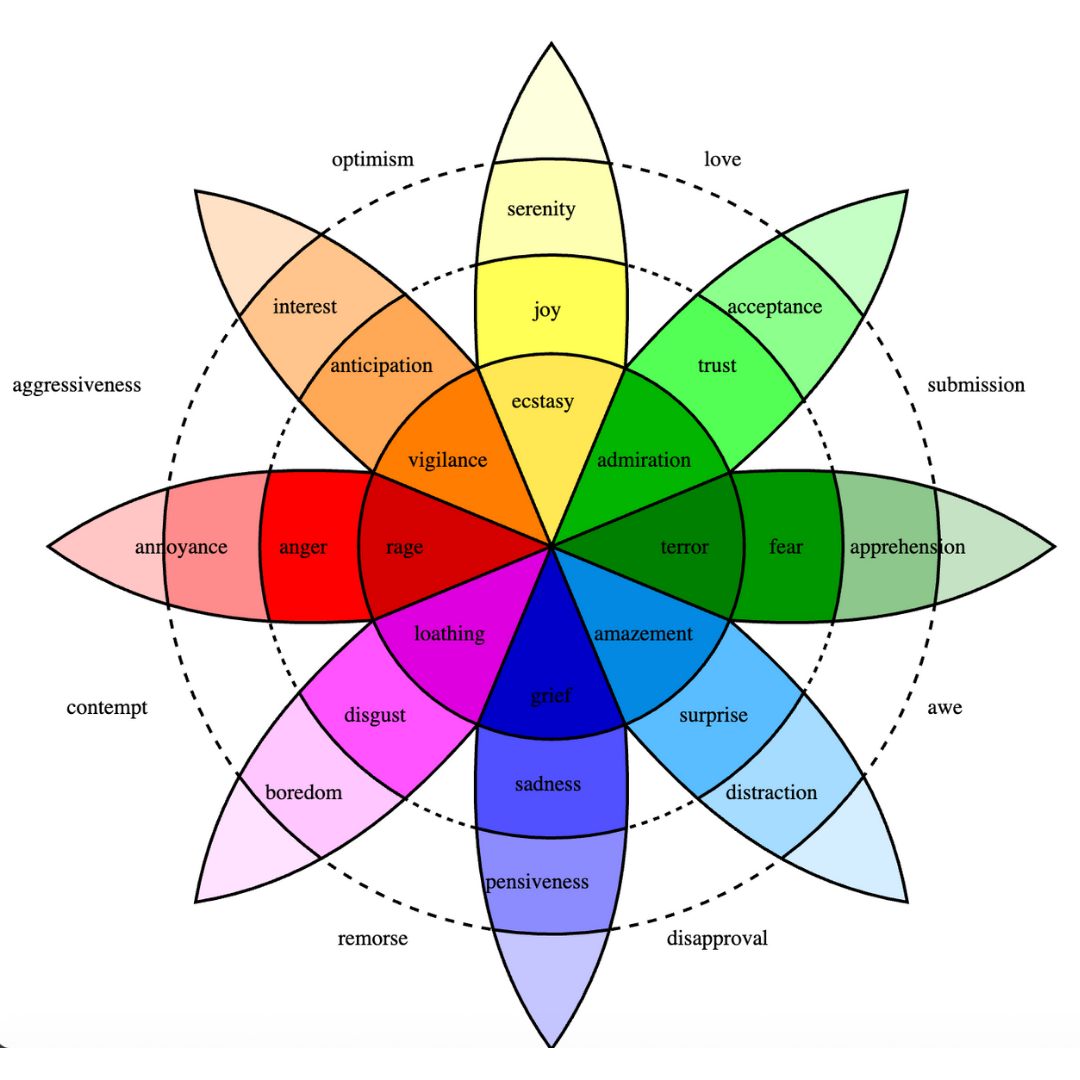
In the longer term, this is expected to open up new ways of making the positive effects of art accessible to patients – in a structured, evidence-based manner.
Whether in a scientific setting or in everyday hospital care, both Quirónsalud initiatives follow the same conviction: health encompasses more than just medical parameters and guideline-based treatment. Emotional stability and people’s subjective sense of well-being are equally important factors, particularly in the context of serious illness. Quirónsalud therefore combines innovative research and professional practice. Art thus becomes a building block of an expanded, holistic understanding of health.
https://www.museothyssen.org/en/special/emotions-art