
(Published: February 2026)
Grit Otto-Moritz is not sitting in the treatment room at Helios Hanseklinikum Stralsund for the first time. The 60-year-old agricultural engineer was diagnosed with breast cancer back in 2013. At the end of 2025, she was diagnosed with lung cancer; she has overcome both diseases. In mid-January, however, another serious diagnosis followed: the former breast cancer had metastasized and spread to her bones.
At Helios Hanseklinikum Stralsund, her medical history is therefore being reviewed once again in its entirety. Findings are reassessed, assumptions questioned—nothing can be overlooked now. For her treating physician, Dr. med. Hussein Abdallah, Senior Consultant in General, Thoracic and Visceral Surgery, diagnostic precision is paramount. The patient experiences firsthand that at Helios, doctors do not look at individual diagnoses in isolation, but focus on identifying connections.
Her story is emblematic of many people affected by cancer, particularly patients with complex or multiple diagnoses. It illustrates why individualized cancer care is crucial—and why World Cancer Day offers an opportunity to reassess this commitment time and again.
Fresenius’ role – cancer care along the entire patient journey
On World Cancer Day, Fresenius highlights its contribution to cancer care and shows how colleagues across the company work every day to support people living with cancer in the best possible way.
Fresenius accompanies patients throughout all phases of their disease. Fresenius Kabi, Helios and Quirónsalud provide care that brings together medical treatment, innovative medical products, modern technologies and supportive services.
Support ranges from prevention and early detection to diagnostics and personalized therapies, acute clinical treatment, as well as aftercare, long-term follow-up and palliative or home-based care.
At the center is always the person—patients as well as employees. Physicians, nurses, therapists, researchers and many other professional groups jointly take responsibility for cancer care that is individualized and reliable.
Fresenius Kabi: Efforts tailored to address the changing needs and challenges faced by cancer patients
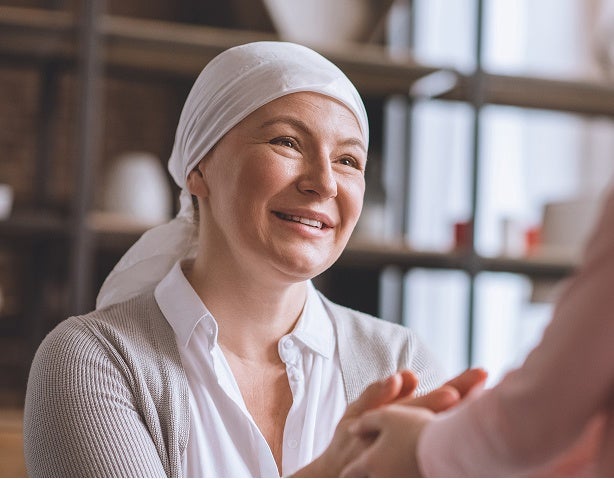
Cancer rarely follows a straight path—and neither does care. Therapy phases change, recovery occurs in waves. This reality repeatedly confronts patients with new challenges. Fresenius Kabi employees align their work precisely with this reality.
In addition to tumor treatment itself, this includes reducing side effects and pain, maintaining physical strength.
Fresenius Kabi contributes to this with a broad portfolio of treatments and services. This includes biologic medicines and essential drugs used in both treatment and supportive care.
These are complemented by infusion technologies, devices and technical expertise that ensure safe and reliable administration.
Biosimilars improve security of supply and access to effective targeted therapies, particularly for complex and multiple cancer conditions. Another key component is clinical nutrition, which supports patients whose nutritional status is impaired by illness or therapy.

Clinical oncology at Helios – individualized care for complex diseases
At Helios, cancer treatment is also far more than a single therapy. Across more than 90 hospitals nationwide, every course of treatment begins with a careful review of the patient’s medical history and current life situation. Based on this, specialized teams develop individually tailored treatment concepts. Helios draws on the expertise of a nationwide network of certified cancer centers.
Grit Otto-Moritz’s story shows how important this approach is. Dr. med. Hussein Abdallah explains: “When a patient has already had multiple cancer diagnoses, particularly careful evaluation of all findings is essential to ensure that an additional tumor is not overlooked. In interdisciplinary tumor conferences, colleagues from different specialties contribute their expertise to define the best possible treatment.”
Priv.-Doz. Dr. med. Daniel Pink, Head of the Oncology Center at Helios, also emphasizes the importance of close collaboration: “The best treatment outcomes for the diverse and often complex cancer diseases are achieved through close interdisciplinary cooperation among many experts. At Helios, we also work closely with office-based physicians during follow-up care.”