
Fresenius Kabi has agreed to collaborate with Phlow Corporation, a public benefit company, to expand access to affordable sterile injectables formulated for U.S. children’s hospitals and to help strengthen the supply chain for U.S.-sourced API and essential medicines. The companies will work together to supply private-labelled products, co-develop and manufacture novel products and make essential medicines rapidly available in the event of a public health emergency.
Fresenius Kabi has agreed to collaborate with Phlow Corporation, a public benefit company, to expand access to affordable sterile injectables formulated for U.S. children’s hospitals and to help strengthen the supply chain for U.S.-sourced API and essential medicines. The companies will work together to supply private-labelled products, co-develop and manufacture novel products and make essential medicines rapidly available in the event of a public health emergency.
Fresenius Kabi has reached a milestone on the road to approval for another biosimilar. MSB11456, a tocilizumab biosimilar candidate, successfully met the primary and secondary endpoints in two consecutively conducted clinical trials. For more information, please visit the Fresenius Kabi website.
Fresenius Kabi has reached a milestone on the road to approval for another biosimilar. MSB11456, a tocilizumab biosimilar candidate, successfully met the primary and secondary endpoints in two consecutively conducted clinical trials. For more information, please visit the Fresenius Kabi website.
Temsirolimus Injection, a drug used to treat advanced renal cell carcinoma, is now available from Fresenius Kabi in the United States. This is the newest addition to the company’s portfolio of generic IV oncology products - the largest such portfolio in the U.S.
Susanne Zeidler and Dr. Frank Appel proposed for election to the Supervisory Board of Fresenius Management SE
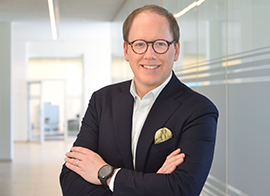
Michael Sen (52) will become the new Chief Executive Officer of Fresenius Kabi AG. The Supervisory Board of Fresenius Management SE has unanimously appointed him to the Management Board of Fresenius effective on April 12, 2021. He succeeds Mats Henriksson (53), who is leaving the company due to different views on Fresenius Kabi’s future direction.
Michael Sen was a member of the Management Board of Siemens AG from April 2017 to March 2020, where he was responsible for the healthcare business Siemens Healthineers and for Siemens’ energy business. Prior to that, from 2015 to 2017, he was Chief Financial Officer of E.ON SE. At the start of his professional career, Michael Sen completed an apprenticeship at Siemens in Berlin and then studied business administration at the Technical University of Berlin. After graduation, he took on various management roles at Siemens starting in 1996 in both operating businesses and central divisions. From 2008 to 2015, he was a member of the Executive Team and CFO of Siemens Healthcare.
Mats Henriksson joined the Management Board of Fresenius Kabi on September 1, 1999. From 2001 to February 2012, he was responsible for the company’s Asia-Pacific region. From March 1, 2012, he served as Deputy Chairman of the Management Board of Fresenius Kabi, and on January 1, 2013 was appointed Chairman of the Management Board of Fresenius Kabi.
Dr. Gerd Krick, Chairman of the Supervisory Board of Fresenius, said: "Mats Henriksson played a major role in the development of Fresenius Kabi from the very beginning. From the acquisition and integration of Pharmacia & Upjohn, which became Fresenius Kabi in 1999, to the very successful expansion in Asia under his responsibility and the entry into the promising biosimilars business, he has made numerous important contributions to the growth of this Fresenius business segment. Mats Henriksson is handing over a well-managed business to his successor. On behalf of the entire Supervisory Board, I would like to thank him most sincerely. I wish him every success and the best for his future."
Wolfgang Kirsch, the designated Chairman of the Supervisory Board of Fresenius, said: "Fresenius has developed extremely dynamically and successfully over the past years, from a medium-sized company to a global healthcare group with sales of more than €36 billion today. With the recently presented growth strategy, the Management Board, under the proven leadership of Stephan Sturm, is setting the course for the company's sustained, successful further development. My colleagues on the Supervisory Board and I fully support this strategy, including the announced, ongoing and open review of the Group structure. Michael Sen is an experienced manager in the healthcare sector who complements our team very well. The Management Board of Fresenius is ideally positioned to successfully implement the strategy in the coming years and to continue Fresenius' growth story."
Stephan Sturm, CEO of Fresenius, said: "I have worked closely, trustfully and successfully with Mats Henriksson for many years. I thank him, and I personally wish him all the best. At the same time, I look forward to working with Michael Sen in the future. Fresenius Kabi's business addresses several attractive growth areas in medicine. It is and will remain of central strategic importance for our healthcare group. Together, we will work in the coming years to make this company even stronger – for the benefit of the growing number of patients who depend on our important drugs and products and for our shareholders."
Michael Sen said: "Fresenius Kabi is committed to improving the quality of life of patients around the world. In my future role, I would like to continue to put patient well-being at the center of everything we do and play my part in continuing the company's successful development. I am very much looking forward to working with Stephan Sturm and the entire team on the Management Board of Fresenius, and of course with my more than 40,000 new colleagues at Fresenius Kabi worldwide. With courage, dedication and creativity, we can and will still achieve a lot together."
The Supervisory Board of Fresenius Management SE also unanimously resolved to propose Susanne Zeidler (60), Chief Financial Officer of Deutsche Beteiligungs AG (DBAG) since November 2012, and Dr. Frank Appel (59), Chief Executive Officer of Deutsche Post DHL Group since February 2008, for election to the Supervisory Board of Fresenius Management SE.
Susanne Zeidler worked for the auditing and consulting firm KPMG between 1990 and 2010. Lastly, as a partner, she was responsible for KPMG's business with foundations and other non-profit organizations, which, as a qualified auditor and tax advisor, she had helped to establish from 2006 onwards. Prior to that, from 1990 to 1999, she was involved in the valuations of medium-sized and listed companies in various industries, and between 2000 and 2005 was the partner responsible for KPMG's internal audit review. Before joining the Management Board of DBAG, Susanne Zeidler was Managing Director at the headquarters of the international charity organization "Kirche in Not" ("Aid to the Church") from the beginning of 2011.
Dr. Frank Appel has worked for Deutsche Post DHL Group since 2000, initially as Managing Director Corporate Development, and from 2002 as Board Member responsible for Global Business Services and Key Account Management Global Customer Solutions. In 2005, he was responsible for the acquisition and integration of the British logistics company Exel. In February 2008, he was appointed Chief Executive Officer. A graduate chemist with a PhD in neurobiology, he began his professional career in 1993 at the management consultancy McKinsey, where he became a member of German Business Management in 1999 before joining Deutsche Post DHL Group.
As already announced in October 2020, Dr. Gerd Krick (82) will leave the Supervisory Boards of Fresenius Management SE and the listed Fresenius SE & Co. KGaA when his term ends at the close of the Annual General Meeting in May 2021. Wolfgang Kirsch (65), a member of the Supervisory Board of Fresenius Management SE since January 1, 2020, is to take over from him as Chairman of both Supervisory Boards. In recognition and deep appreciation of his long decades of accomplishment and invaluable work on behalf of Fresenius, Dr. Krick shall be named Honorary Chairman of both Supervisory Boards.
Klaus-Peter Müller (76) will be stepping down from the Supervisory Board of Fresenius Management SE at the end of his term in May 2021. At the listed Fresenius SE & Co. KGaA, Klaus-Peter Müller will stand for reelection to the Supervisory Board at the Annual General Meeting in May with the aim of chairing the Audit Committee for a further year.
This release contains forward-looking statements that are subject to various risks and uncertainties. Future results could differ materially from those described in these forward-looking statements due to certain factors, e.g. changes in business, economic and competitive conditions, regulatory reforms, results of clinical trials, foreign exchange rate fluctuations, uncertainties in litigation or investigative proceedings, and the availability of financing. Fresenius does not undertake any responsibility to update the forward-looking statements in this release.
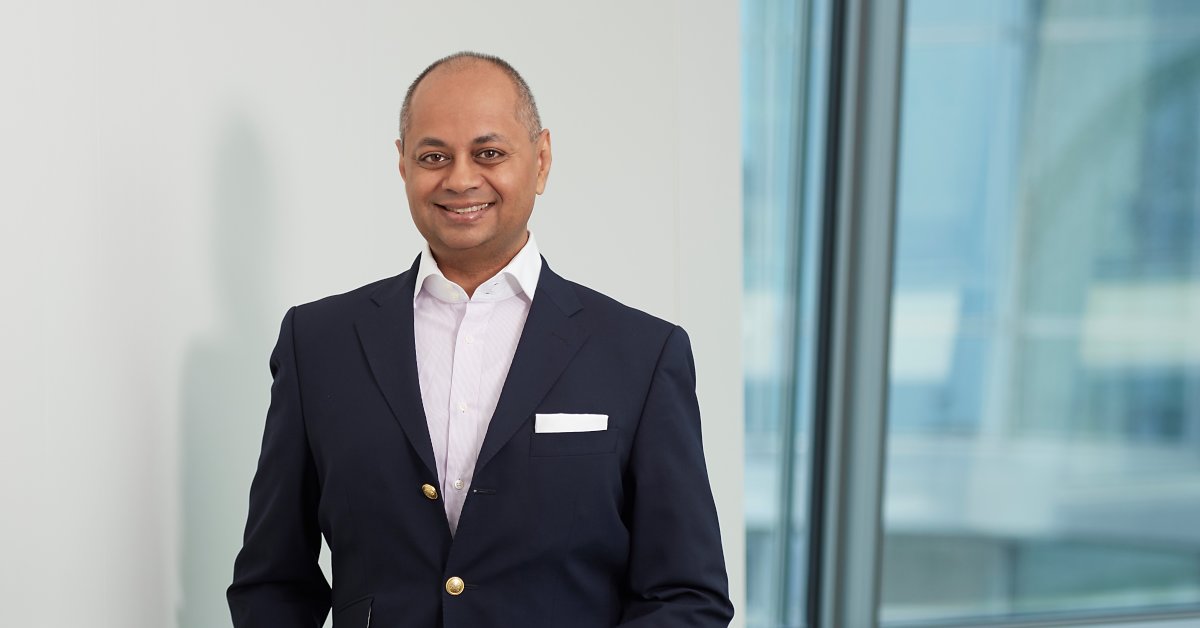
Susanne Zeidler and Dr. Frank Appel proposed for election to the Supervisory Board of Fresenius Management SE
Michael Sen (52) will become the new Chief Executive Officer of Fresenius Kabi AG. The Supervisory Board of Fresenius Management SE has unanimously appointed him to the Management Board of Fresenius effective on April 12, 2021. He succeeds Mats Henriksson (53), who is leaving the company due to different views on Fresenius Kabi’s future direction.
Michael Sen was a member of the Management Board of Siemens AG from April 2017 to March 2020, where he was responsible for the healthcare business Siemens Healthineers and for Siemens’ energy business. Prior to that, from 2015 to 2017, he was Chief Financial Officer of E.ON SE. At the start of his professional career, Michael Sen completed an apprenticeship at Siemens in Berlin and then studied business administration at the Technical University of Berlin. After graduation, he took on various management roles at Siemens starting in 1996 in both operating businesses and central divisions. From 2008 to 2015, he was a member of the Executive Team and CFO of Siemens Healthcare.
Mats Henriksson joined the Management Board of Fresenius Kabi on September 1, 1999. From 2001 to February 2012, he was responsible for the company’s Asia-Pacific region. From March 1, 2012, he served as Deputy Chairman of the Management Board of Fresenius Kabi, and on January 1, 2013 was appointed Chairman of the Management Board of Fresenius Kabi.
Dr. Gerd Krick, Chairman of the Supervisory Board of Fresenius, said: "Mats Henriksson played a major role in the development of Fresenius Kabi from the very beginning. From the acquisition and integration of Pharmacia & Upjohn, which became Fresenius Kabi in 1999, to the very successful expansion in Asia under his responsibility and the entry into the promising biosimilars business, he has made numerous important contributions to the growth of this Fresenius business segment. Mats Henriksson is handing over a well-managed business to his successor. On behalf of the entire Supervisory Board, I would like to thank him most sincerely. I wish him every success and the best for his future."
Wolfgang Kirsch, the designated Chairman of the Supervisory Board of Fresenius, said: "Fresenius has developed extremely dynamically and successfully over the past years, from a medium-sized company to a global healthcare group with sales of more than €36 billion today. With the recently presented growth strategy, the Management Board, under the proven leadership of Stephan Sturm, is setting the course for the company's sustained, successful further development. My colleagues on the Supervisory Board and I fully support this strategy, including the announced, ongoing and open review of the Group structure. Michael Sen is an experienced manager in the healthcare sector who complements our team very well. The Management Board of Fresenius is ideally positioned to successfully implement the strategy in the coming years and to continue Fresenius' growth story."
Stephan Sturm, CEO of Fresenius, said: "I have worked closely, trustfully and successfully with Mats Henriksson for many years. I thank him, and I personally wish him all the best. At the same time, I look forward to working with Michael Sen in the future. Fresenius Kabi's business addresses several attractive growth areas in medicine. It is and will remain of central strategic importance for our healthcare group. Together, we will work in the coming years to make this company even stronger – for the benefit of the growing number of patients who depend on our important drugs and products and for our shareholders."
Michael Sen said: "Fresenius Kabi is committed to improving the quality of life of patients around the world. In my future role, I would like to continue to put patient well-being at the center of everything we do and play my part in continuing the company's successful development. I am very much looking forward to working with Stephan Sturm and the entire team on the Management Board of Fresenius, and of course with my more than 40,000 new colleagues at Fresenius Kabi worldwide. With courage, dedication and creativity, we can and will still achieve a lot together."
The Supervisory Board of Fresenius Management SE also unanimously resolved to propose Susanne Zeidler (60), Chief Financial Officer of Deutsche Beteiligungs AG (DBAG) since November 2012, and Dr. Frank Appel (59), Chief Executive Officer of Deutsche Post DHL Group since February 2008, for election to the Supervisory Board of Fresenius Management SE.
Susanne Zeidler worked for the auditing and consulting firm KPMG between 1990 and 2010. Lastly, as a partner, she was responsible for KPMG's business with foundations and other non-profit organizations, which, as a qualified auditor and tax advisor, she had helped to establish from 2006 onwards. Prior to that, from 1990 to 1999, she was involved in the valuations of medium-sized and listed companies in various industries, and between 2000 and 2005 was the partner responsible for KPMG's internal audit review. Before joining the Management Board of DBAG, Susanne Zeidler was Managing Director at the headquarters of the international charity organization "Kirche in Not" ("Aid to the Church") from the beginning of 2011.
Dr. Frank Appel has worked for Deutsche Post DHL Group since 2000, initially as Managing Director Corporate Development, and from 2002 as Board Member responsible for Global Business Services and Key Account Management Global Customer Solutions. In 2005, he was responsible for the acquisition and integration of the British logistics company Exel. In February 2008, he was appointed Chief Executive Officer. A graduate chemist with a PhD in neurobiology, he began his professional career in 1993 at the management consultancy McKinsey, where he became a member of German Business Management in 1999 before joining Deutsche Post DHL Group.
As already announced in October 2020, Dr. Gerd Krick (82) will leave the Supervisory Boards of Fresenius Management SE and the listed Fresenius SE & Co. KGaA when his term ends at the close of the Annual General Meeting in May 2021. Wolfgang Kirsch (65), a member of the Supervisory Board of Fresenius Management SE since January 1, 2020, is to take over from him as Chairman of both Supervisory Boards. In recognition and deep appreciation of his long decades of accomplishment and invaluable work on behalf of Fresenius, Dr. Krick shall be named Honorary Chairman of both Supervisory Boards.
Klaus-Peter Müller (76) will be stepping down from the Supervisory Board of Fresenius Management SE at the end of his term in May 2021. At the listed Fresenius SE & Co. KGaA, Klaus-Peter Müller will stand for reelection to the Supervisory Board at the Annual General Meeting in May with the aim of chairing the Audit Committee for a further year.
This release contains forward-looking statements that are subject to various risks and uncertainties. Future results could differ materially from those described in these forward-looking statements due to certain factors, e.g. changes in business, economic and competitive conditions, regulatory reforms, results of clinical trials, foreign exchange rate fluctuations, uncertainties in litigation or investigative proceedings, and the availability of financing. Fresenius does not undertake any responsibility to update the forward-looking statements in this release.
Foscarnet Sodium Injection is now available in the United States, expanding the company’s anti-viral portfolio. The drug is used in the treatment of conditions associated with immunocompromised patients.
Fresenius Kabi Oncology Ltd. (FKOL), India, has reached an agreement with the U.S. Department of Justice (DOJ) that would conclude an investigation of events that took place in 2013.
In 2013, FKOL notified the FDA immediately upon discovering that certain employees at the company’s plant in Kalyani, India, had failed to provide relevant records during an FDA inspection. These individuals acted in violation of Fresenius Kabi’s compliance requirements, code of conduct and values. As a consequence, their employment was terminated immediately. Fresenius informed the public about these events in July 2013.
Patient safety was and has continued to be safeguarded at all times. Product supplied from this plant was within specifications. All necessary remediation actions were successfully implemented many years ago, and the plant has been fully operational ever since.
Under the agreement, which still must be reviewed and accepted by the United States District Court for the District of Nevada, FKOL will make a payment of USD 50 million. Given past accruals for this matter, the resolution will be net income neutral. The agreement includes a compliance addendum under which FKOL will build on its existing quality compliance management system to monitor compliance and provide the DOJ with regular reports on its effectiveness.
Mats Henriksson, CEO of Fresenius Kabi, said: “While we are pleased to have reached this resolution, we regret that such events happened years ago in one of our plants. In line with our commitment to highest ethical and quality standards, we immediately and consequently took all necessary measures to remedy the situation in full cooperation with the authorities. As a reliable partner of health care systems around the world, we continuously strive for the highest standards in pharmaceutical manufacturing.”
This release contains forward-looking statements that are subject to various risks and uncertainties. Future results could differ materially from those described in these forward-looking statements due to certain factors, e.g. changes in business, economic and competitive conditions, regulatory reforms, results of clinical trials, foreign exchange rate fluctuations, uncertainties in litigation or investigative proceedings, and the availability of financing. Fresenius does not undertake any responsibility to update the forward-looking statements in this release.
-
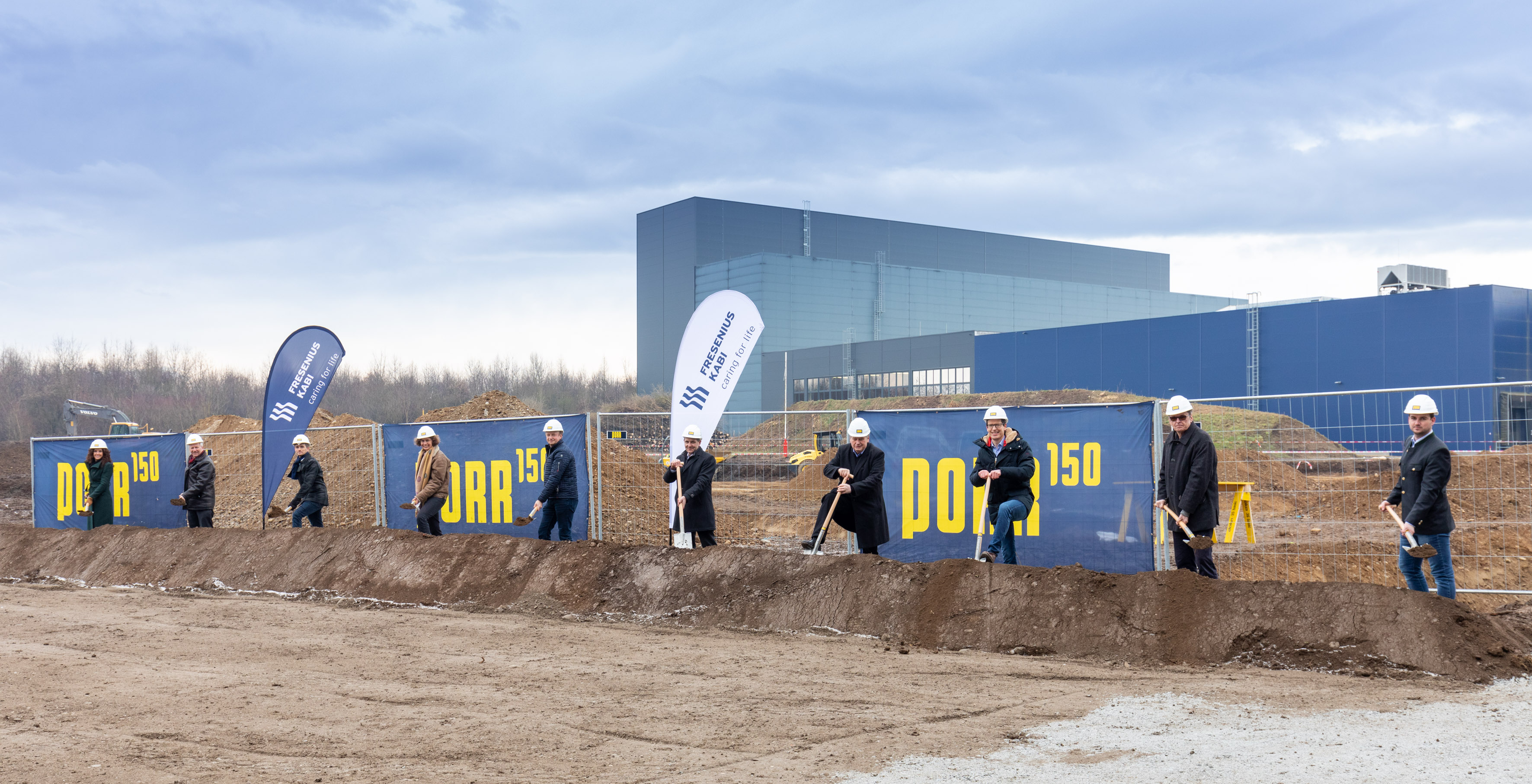
Fresenius Kabi will invest more than €60 million through 2023 to expand its production plant in Graz and packaging center in nearby Werndorf. Download Image (JPG 1.24 MB) -
![]()
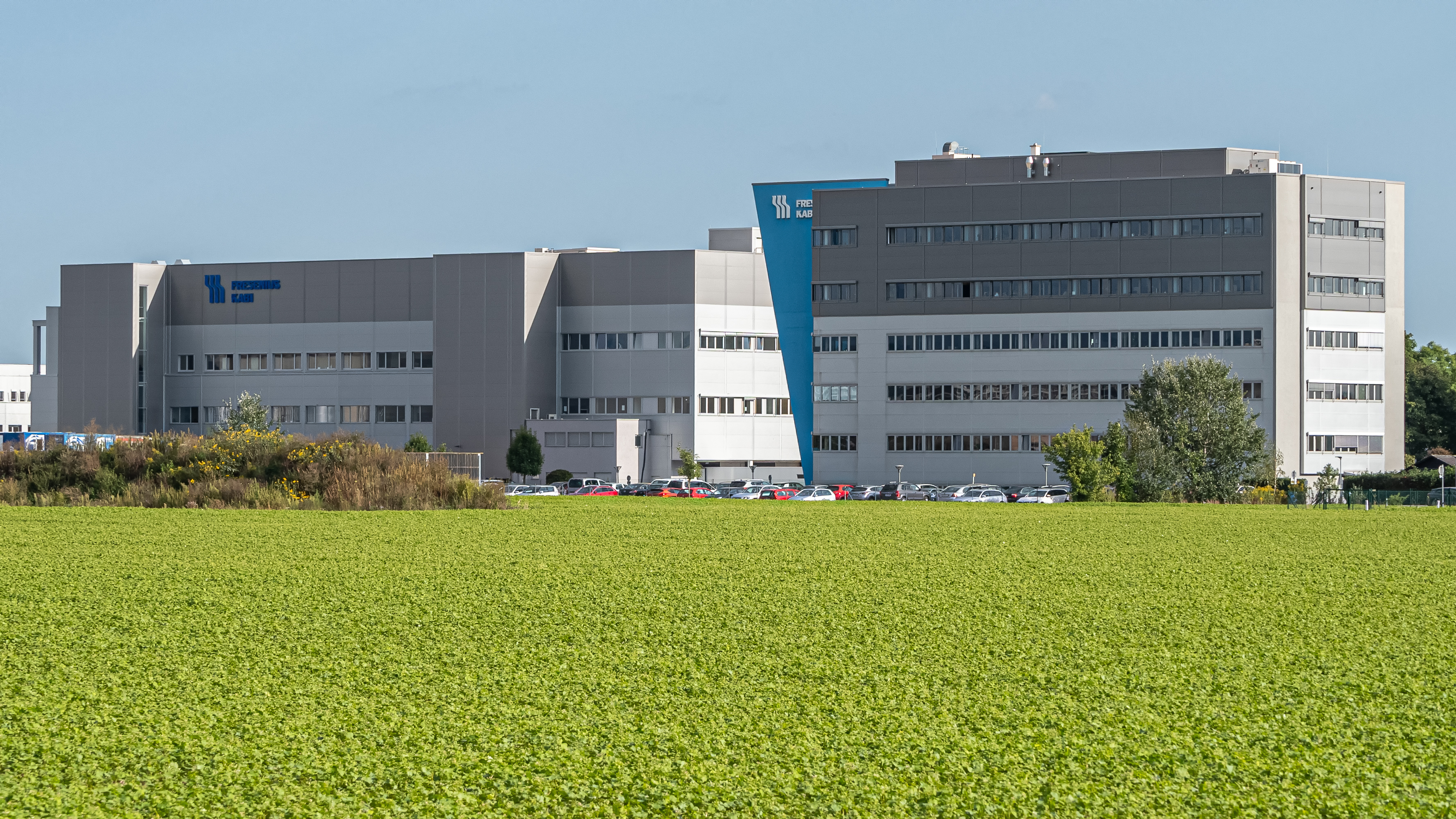
Fresenius Kabi produces liquid pharmaceuticals and clinical nutrition products for the Austrian and international markets in Graz. Download Image (JPG 5.93 MB)
Fresenius Kabi is further expanding its Austrian facilities. The company will invest more than €60 million through 2023 to expand capacity and upgrade infrastructure at its production plant in Graz and packaging center in nearby Werndorf. The measures will be focused on the freeze-drying area and the lines for filling and packing glass bottles and ready-to-administer prefilled syringes.
“Prefilled syringes are a fast-growing market for us,” said Plant Manager Dr. Ruth Staubmann. “Many healthcare institutions and organizations recognize the clear advantages in terms of their rapid application and, above all, safety of use.” The expansion of the Graz plant will approximately double production capacity in this product category.
Fresenius Kabi produces liquid pharmaceuticals and clinical nutrition products for the Austrian and international markets in Graz. The site has special expertise in aseptic production and the manufacturing of complex products such as anesthetics, analgesics, anti-infectives and antibiotics. It also makes clinical nutrition products. In total, Fresenius Kabi currently has more than 900 employees in Graz. The number of additional jobs that will be created through the expansion cannot yet be determined.
In addition to the Graz plant and the packaging and logistics center in Werndorf, Fresenius Kabi’s Austrian operations include a research and development center in Grambach and a plant and distribution facility in Linz that specializes in the production of active ingredients and lactulose. The company employs a total of about 1,500 people in Austria.
This release contains forward-looking statements that are subject to various risks and uncertainties. Future results could differ materially from those described in these forward-looking statements due to certain factors, e.g. changes in business, economic and competitive conditions, regulatory reforms, results of clinical trials, foreign exchange rate fluctuations, uncertainties in litigation or investigative proceedings, and the availability of financing. Fresenius does not undertake any responsibility to update the forward-looking statements in this release.