
-
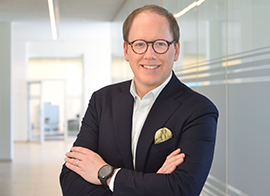
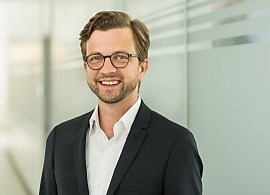
Dr. Sebastian Biedenkopf, currently General Counsel of Robert Bosch GmbH, will join the Management Board of Fresenius as Chief Legal and Compliance Officer, and Labor Relations Director, no later than January 1, 2021 Download Image (JPG 10.71 MB) -
![]()
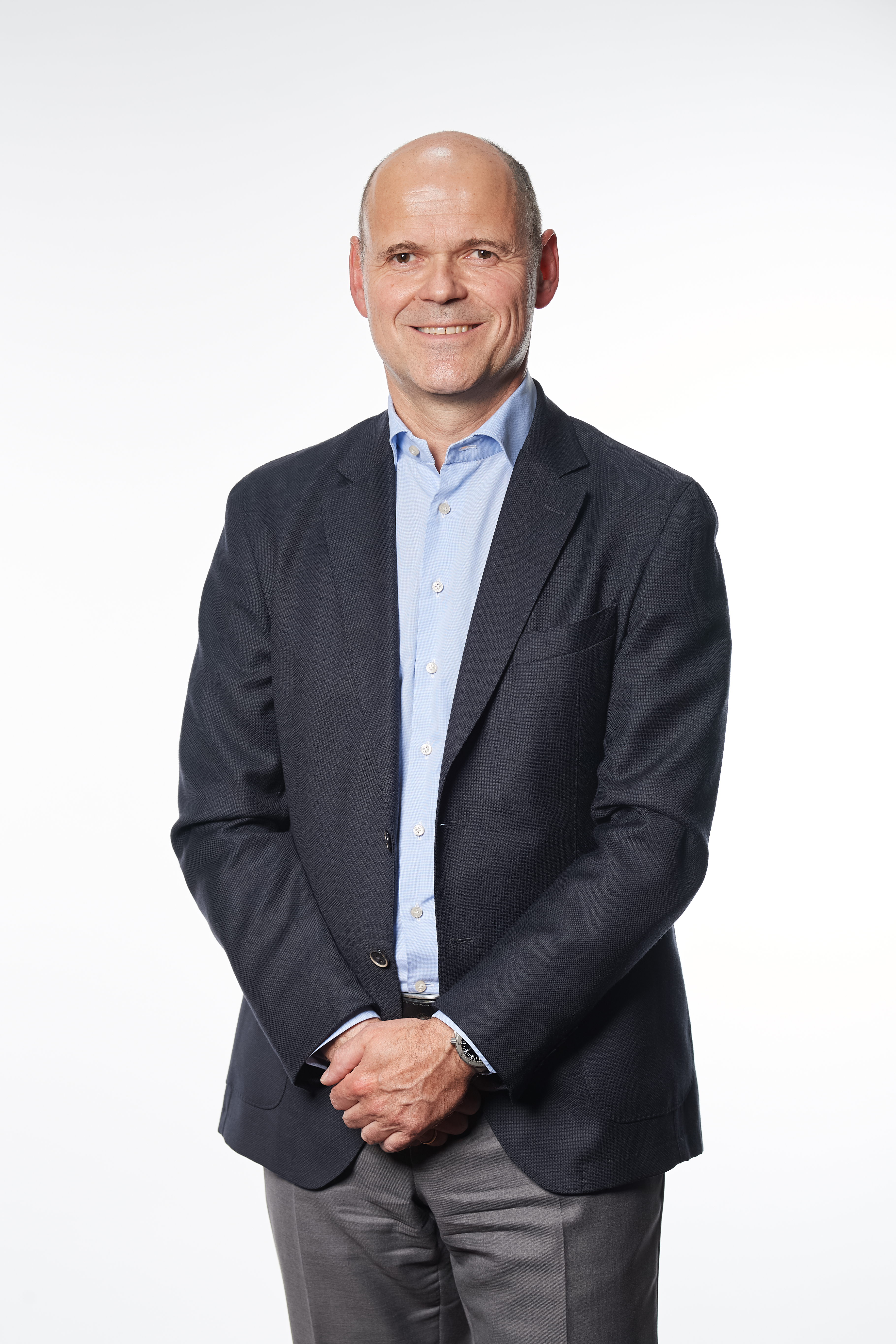
Dr. Jürgen Götz is leaving the company at his own request at the end of June, after more than 15 years with Fresenius. Download Image (JPG 2.87 MB)
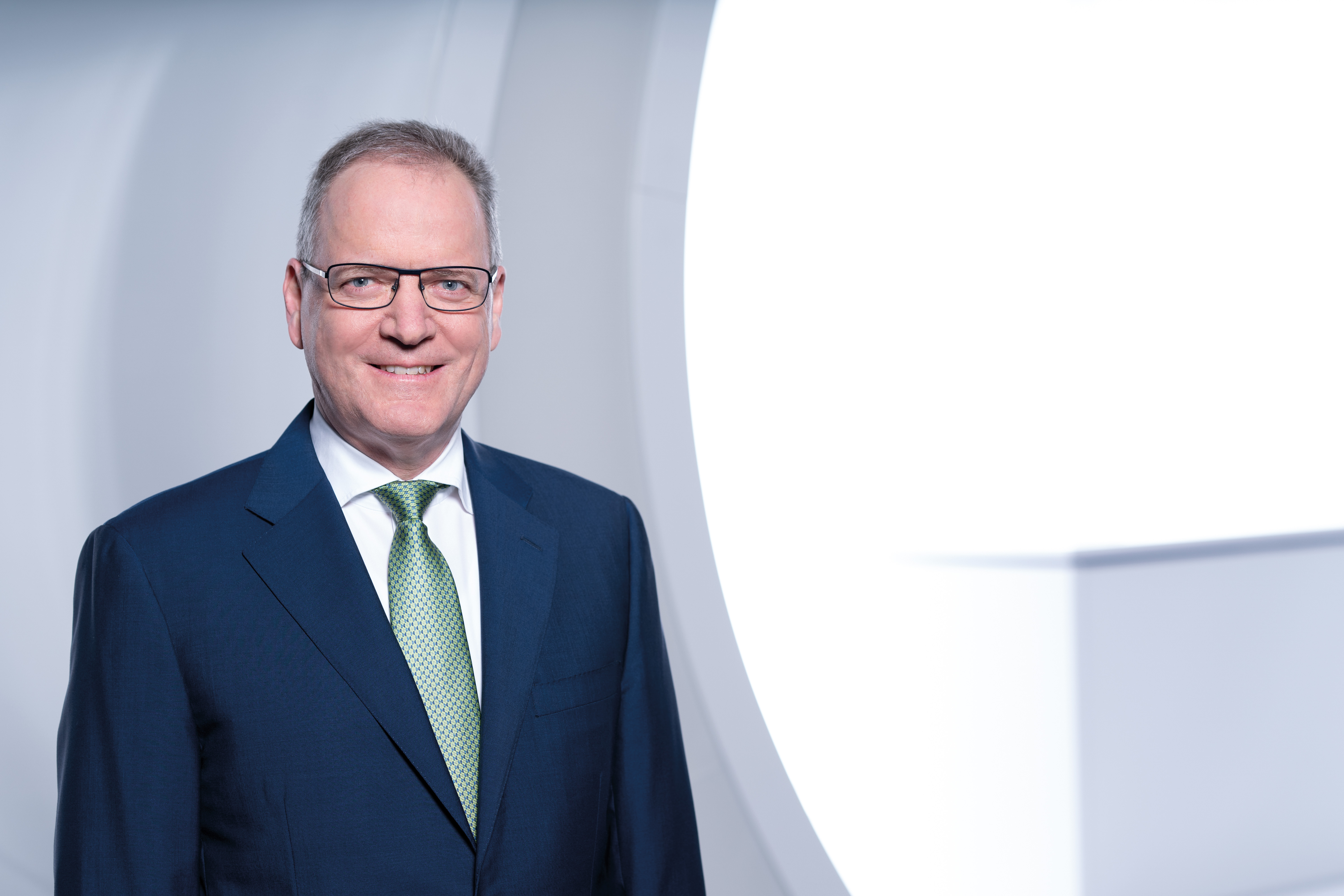
Dr. Sebastian Biedenkopf, currently General Counsel of Robert Bosch GmbH, will join the Management Board of Fresenius as Chief Legal and Compliance Officer, and Labor Relations Director, no later than January 1, 2021. He will succeed Dr. Jürgen Götz, who is leaving the company at his own request at the end of June.
Dr. Biedenkopf, 56, has headed the international legal department of the Bosch Group since September 2013. From 2008 until 2012 he held various positions at Conergy AG in Hamburg, lastly as Chief Financial Officer and interim Chief Executive Officer. He holds a doctorate in law and previously served as General Counsel and Chief Compliance Officer at Maxingvest AG (formerly Tchibo Holding AG) in Hamburg, and in various positions at the Bertelsmann Group.
The Chairman of the Supervisory Board of Fresenius, Dr. Gerd Krick, said: “In Dr. Sebastian Biedenkopf we have won a highly experienced, versatile legal expert with profound knowledge in various areas. With his very strongly developed business skills and international outlook, he will make an outstanding fit for Fresenius, and perfectly complement our proven management team. Great thanks go to Dr. Jürgen Götz for the trustful collaboration over many years and his tireless work. Drawing on deep legal expertise, he made important contributions to our successful growth. I respect his wish to pursue other challenges outside of our company after more than 15 years with Fresenius, and in the name of the Supervisory Board I wish him all the best.”
Stephan Sturm, CEO of Fresenius, said: “Dr. Sebastian Biedenkopf has, in various capacities, helped shape strategies, and will bring many new ideas and perspectives to Fresenius. I am very pleased that I will be working with him, and I am convinced that with his know-how in the Legal and Human Resources areas, as well as company management, he will make an ideal addition to our Management Board. In his new role he will be able to build on what his successor accomplished over the years: I want to thank Jürgen Götz for the always trustful and very collegial collaboration. On behalf of the Management Board and all the employees, I wish him all the best.”
Dr. Sebastian Biedenkopf said: “During the discussions in recent weeks, I have gotten to know Fresenius as a superbly positioned company with an impressive culture. I am very much looking forward to putting my experience and knowledge to work here, and having this opportunity to contribute to the continued successful development of Fresenius.”
Fresenius Medical Care North America intends to open more than 100 new transitional care units (TCUs) this year. These units will help people recently diagnosed with kidney failure learn about the treatment options available to them including home dialysis, and become more empowered in managing their own care. TCUs are designed to be a separate space within a dialysis center with staff dedicated to onboarding patients new to dialysis during their first weeks of treatment, assisting patients transitioning between modalities, and supporting individuals returning to dialysis from transplant. Fresenius Medical Care North America has been rapidly opening TCUs, with a total of 65 operating already, in support of its home growth strategy. The company has found that over 50 percent of TCU patients will choose a home dialysis modality.
Following the recent U.S. Food and Drug Administration (FDA) Emergency Use Authorization, Fresenius Kabi Propoven 2% is now available in the U.S. Propoven 2% is a higher concentrated dosage form of propofol compared to Fresenius Kabi’s FDA-approved Diprivan® 1%, providing clinicians with another sedation option for ventilated COVID-19 patients. The higher concentration presentation allows Fresenius Kabi to support more patients through more efficient use of existing manufacturing capacity.
Following the recent U.S. Food and Drug Administration (FDA) Emergency Use Authorization, Fresenius Kabi Propoven 2% is now available in the U.S. Propoven 2% is a higher concentrated dosage form of propofol compared to Fresenius Kabi’s FDA-approved Diprivan® 1%, providing clinicians with another sedation option for ventilated COVID-19 patients. The higher concentration presentation allows Fresenius Kabi to support more patients through more efficient use of existing manufacturing capacity.
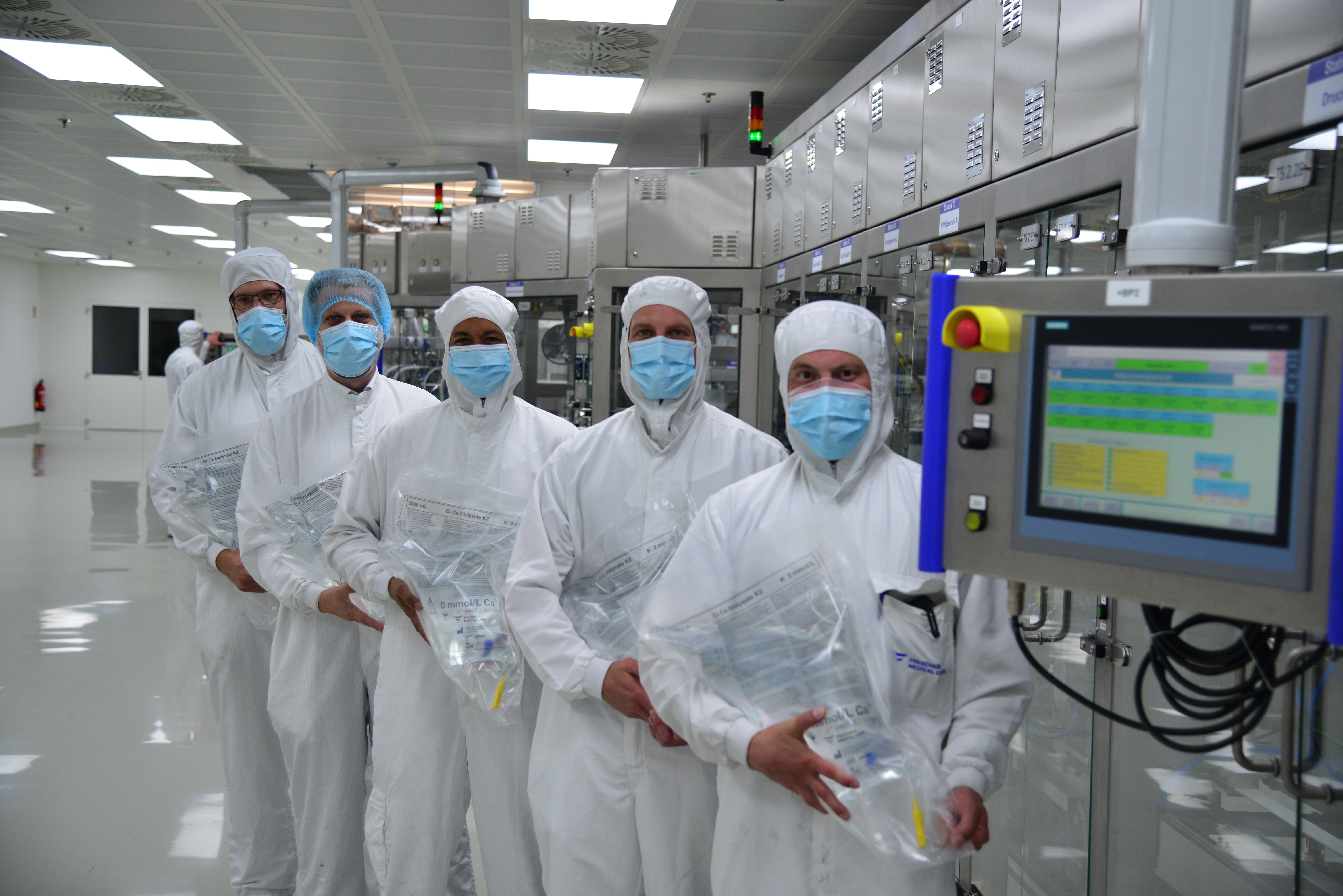
Fresenius Medical Care, the world’s leading provider of dialysis products and services, has started a new production line for dialysis fluids at its St. Wendel, Germany, plant. The new line for so-called “CiCa solutions” – citrate anticoagulants, which prevent clotting of the blood – is the plant’s fifth production line for dialysis fluids used in the treatment of acute and chronic kidney disease. These and other dialysis products manufactured by the company in St. Wendel are shipped to healthcare facilities around the world.
Work on the new line was accelerated due to the coronavirus pandemic, enabling the company to put it into operation several months ahead of schedule. Severe COVID-19 cases often cause acute kidney failure, which has significantly increased worldwide demand for the solutions needed to conduct acute dialysis. By speeding the line’s completion, Fresenius Medical Care is helping to ensure the continued availability of these life-sustaining medicinal products.
“As one of the world’s most important manufacturing facilities for dialysis products, we are facing particular challenges from the pandemic,” said Plant Manager Gerhard Breith. “I am very proud that thanks to the extraordinary commitment of everyone involved, and the unmatched team spirit of our employees, we were able to complete this production line well ahead of schedule.”
Fresenius Medical Care’s St. Wendel plant, which went into operation in 1974, is one of the world’s largest production facilities for dialysis products and is also the development center for new products and production processes adopted by other company plants. Fresenius Medical Care has about 2,000 employees in St. Wendel.
Disclaimer
This release contains forward-looking statements that are subject to various risks and uncertainties. Actual results could differ materially from those described in these forward-looking statements due to various factors, including, but not limited to, changes in business, economic and competitive conditions, legal changes, regulatory approvals, results of clinical studies, foreign exchange rate fluctuations, uncertainties in litigation or investigative proceedings, and the availability of financing. These and other risks and uncertainties are detailed in Fresenius Medical Care AG & Co. KGaA's reports filed with the U.S. Securities and Exchange Commission. Fresenius Medical Care AG & Co. KGaA does not undertake any responsibility to update the forward-looking statements in this release.
June 18, 2020
Bad Homburg, Germany
JP Morgan European Healthcare Conference (Virtual)
Fresenius Helios is acquiring the Malteser Hospital (“MKHB”) in the western German city of Bonn. The 400-bed acute care hospital, with approximately 750 employees, treats approximately 13,000 patients annually. Its sales last year were about €66 million. Along with the hospital, Fresenius Helios will acquire two medical centers and a pharmacy with attached logistics center.
The MKHB offers a wide range of medical services, with specialties in general surgery, pulmonology and oncology, including palliative care. With certified centers for prostate, intestinal and lung cancers, it will superbly complement the existing Helios hospital in the neighboring city of Siegburg, which specializes in cardiovascular medicine and oncology.
Dr. Francesco De Meo, who is responsible for Helios on the Fresenius Management Board, said: “We are looking forward to working with the new colleagues, who will greatly strengthen our Helios team in North Rhine-Westphalia. With its medical offering, the MKHB is an outstanding fit for us and for our strategy of building specialized centers within regional clusters. Together with our existing facilities, we will be able to offer patients in this densely populated region even better medicine, tailored to meet their needs and all from a single provider.”
Fresenius Helios expects the acquisition, which is subject to approval by the German antitrust authorities, to close in the third quarter of this year. Following the closing, MKHB will be integrated into Helios Region West, which already includes 18 acute care hospitals, a rehabilitation clinic in Duisburg, several medical centers and three maximum care hospitals – in Duisburg and Krefeld, as well as the Helios University Hospital Wuppertal. Helios treats some 300,000 inpatients annually in the region, and is one of the largest healthcare employers in North Rhine-Westphalia and the adjoining state of Lower Saxony.
The seller is the Malteser humanitarian aid group. The parties have agreed not to disclose the purchase price. The acquisition will be accretive to Group earnings starting in 2021.
This release contains forward-looking statements that are subject to various risks and uncertainties. Future results could differ materially from those described in these forward-looking statements due to certain factors, e.g. changes in business, economic and competitive conditions, regulatory reforms, results of clinical trials, foreign exchange rate fluctuations, uncertainties in litigation or investigative proceedings, and the availability of financing. Fresenius does not undertake any responsibility to update the forward-looking statements in this release.
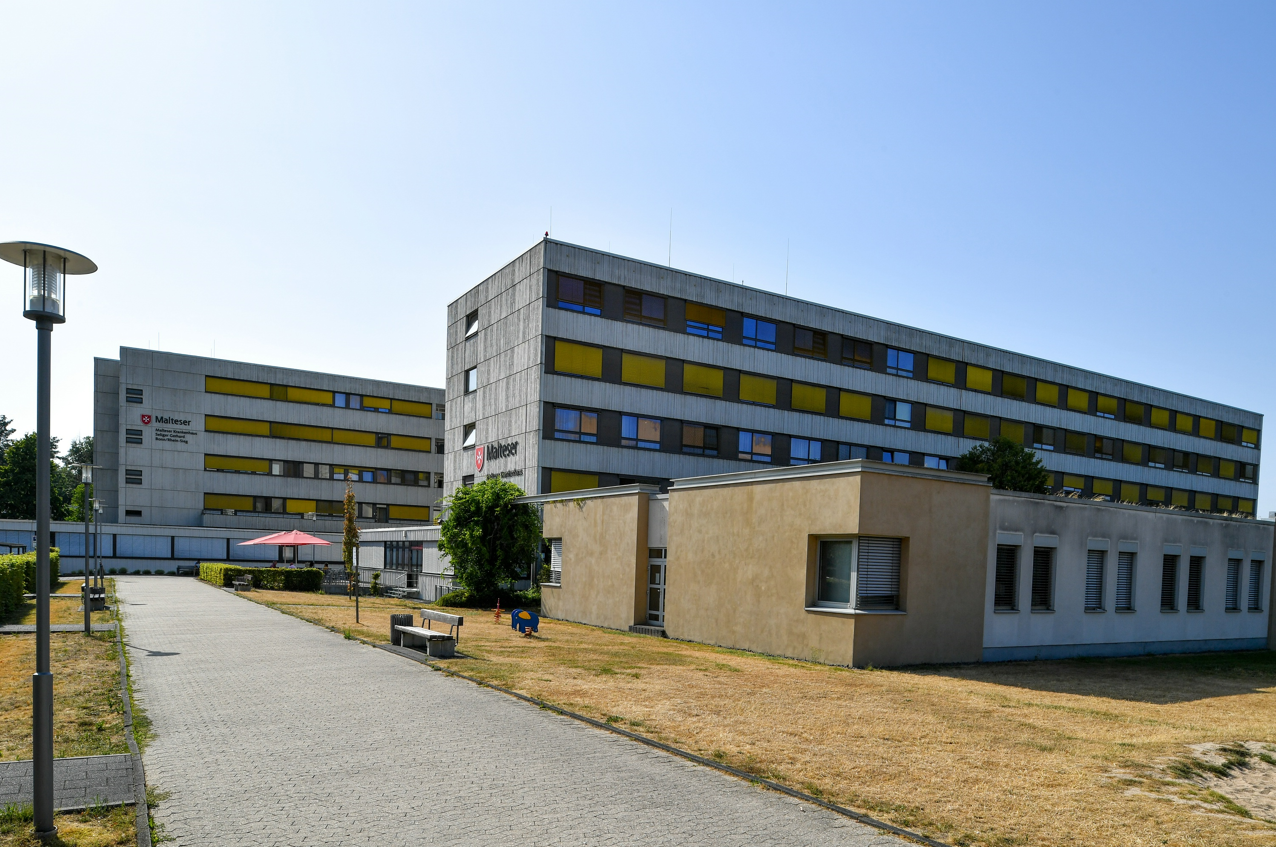
Fresenius Helios is acquiring the Malteser Hospital (“MKHB”) in the western German city of Bonn. The 400-bed acute care hospital, with approximately 750 employees, treats approximately 13,000 patients annually. Its sales last year were about €66 million. Along with the hospital, Fresenius Helios will acquire two medical centers and a pharmacy with attached logistics center.
The MKHB offers a wide range of medical services, with specialties in general surgery, pulmonology and oncology, including palliative care. With certified centers for prostate, intestinal and lung cancers, it will superbly complement the existing Helios hospital in the neighboring city of Siegburg, which specializes in cardiovascular medicine and oncology.
Dr. Francesco De Meo, who is responsible for Helios on the Fresenius Management Board, said: “We are looking forward to working with the new colleagues, who will greatly strengthen our Helios team in North Rhine-Westphalia. With its medical offering, the MKHB is an outstanding fit for us and for our strategy of building specialized centers within regional clusters. Together with our existing facilities, we will be able to offer patients in this densely populated region even better medicine, tailored to meet their needs and all from a single provider.”
Fresenius Helios expects the acquisition, which is subject to approval by the German antitrust authorities, to close in the third quarter of this year. Following the closing, MKHB will be integrated into Helios Region West, which already includes 18 acute care hospitals, a rehabilitation clinic in Duisburg, several medical centers and three maximum care hospitals – in Duisburg and Krefeld, as well as the Helios University Hospital Wuppertal. Helios treats some 300,000 inpatients annually in the region, and is one of the largest healthcare employers in North Rhine-Westphalia and the adjoining state of Lower Saxony.
The seller is the Malteser humanitarian aid group. The parties have agreed not to disclose the purchase price. The acquisition will be accretive to Group earnings starting in 2021.
This release contains forward-looking statements that are subject to various risks and uncertainties. Future results could differ materially from those described in these forward-looking statements due to certain factors, e.g. changes in business, economic and competitive conditions, regulatory reforms, results of clinical trials, foreign exchange rate fluctuations, uncertainties in litigation or investigative proceedings, and the availability of financing. Fresenius does not undertake any responsibility to update the forward-looking statements in this release.
Fresenius Kabi and the pharmaceutical company medac have agreed to cooperate in Germany in the area of treatments for rheumatic illnesses. On June 1, medac’s sales representatives will begin offering the adalimumab biosimilar IDACIO® as an additional therapy option to the rheumatologists and dermatologists they work with. This biosimilar, developed by Fresenius Kabi and launched last year in Europe, is used to treat autoimmune illnesses such as arthritis and psoriasis. medac is a leading provider of methotrexate (metex® PEN, metex® FS) for the parenteral treatment of patients with chronic inflammatory diseases. Since affected patients are often treated with a combination of methotrexate and adalimumab, the partnership between Fresenius Kabi and medac will offer patients and doctors new benefits and synergies in therapy offerings as well as consulting.
Fresenius Kabi and the pharmaceutical company medac have agreed to cooperate in Germany in the area of treatments for rheumatic illnesses. On June 1, medac’s sales representatives will begin offering the adalimumab biosimilar IDACIO® as an additional therapy option to the rheumatologists and dermatologists they work with. This biosimilar, developed by Fresenius Kabi and launched last year in Europe, is used to treat autoimmune illnesses such as arthritis and psoriasis. medac is a leading provider of methotrexate (metex® PEN, metex® FS) for the parenteral treatment of patients with chronic inflammatory diseases. Since affected patients are often treated with a combination of methotrexate and adalimumab, the partnership between Fresenius Kabi and medac will offer patients and doctors new benefits and synergies in therapy offerings as well as consulting.