

-
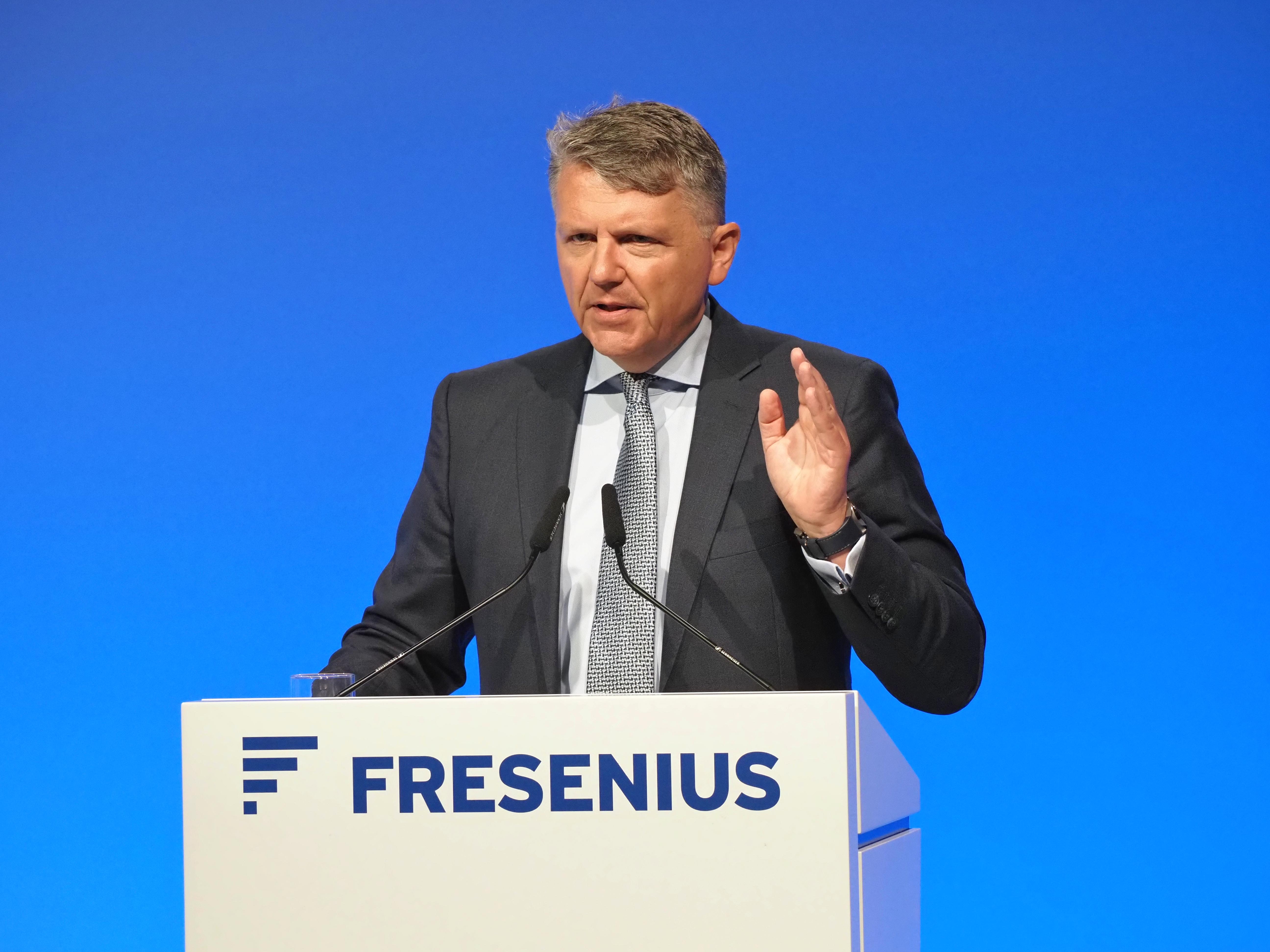
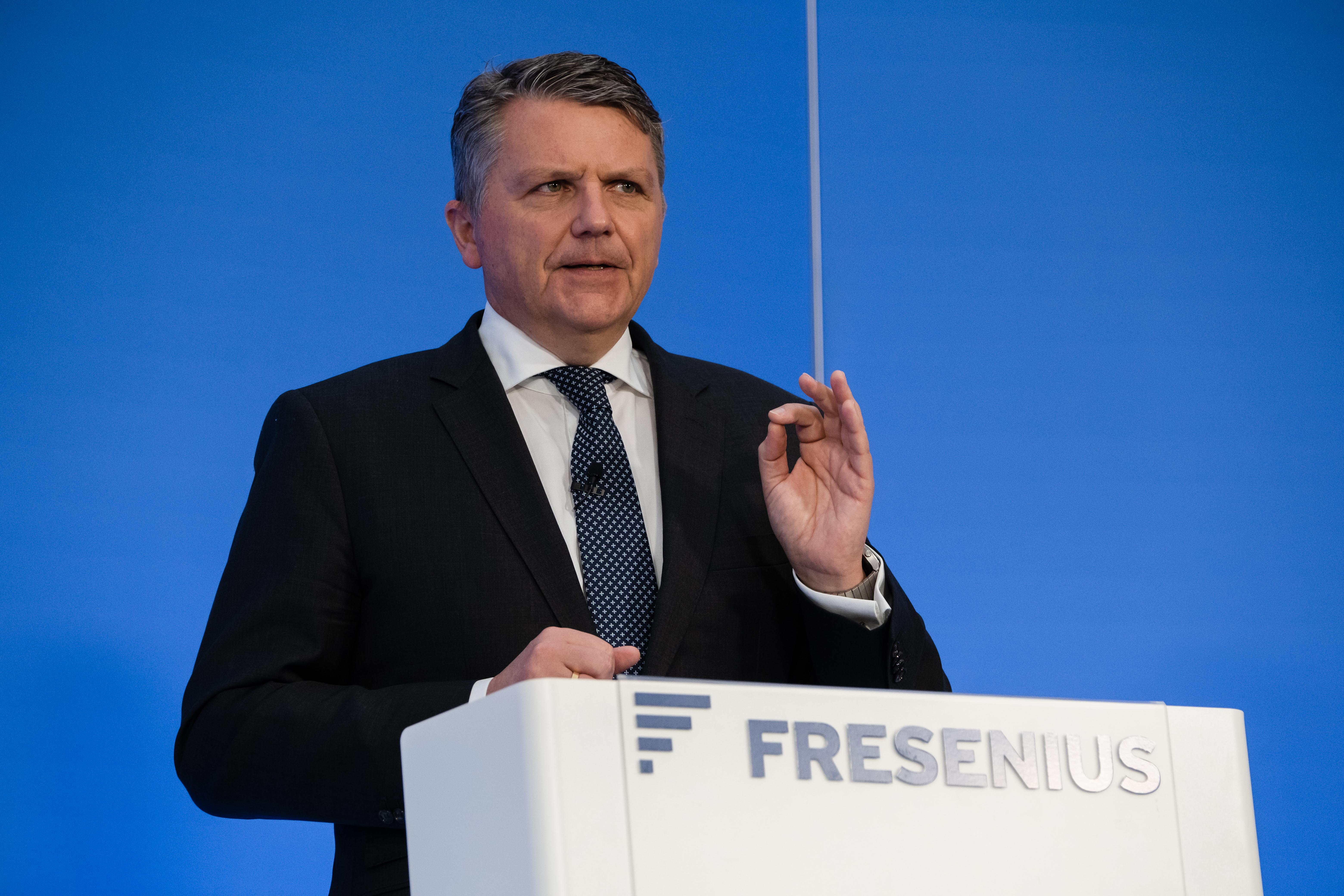
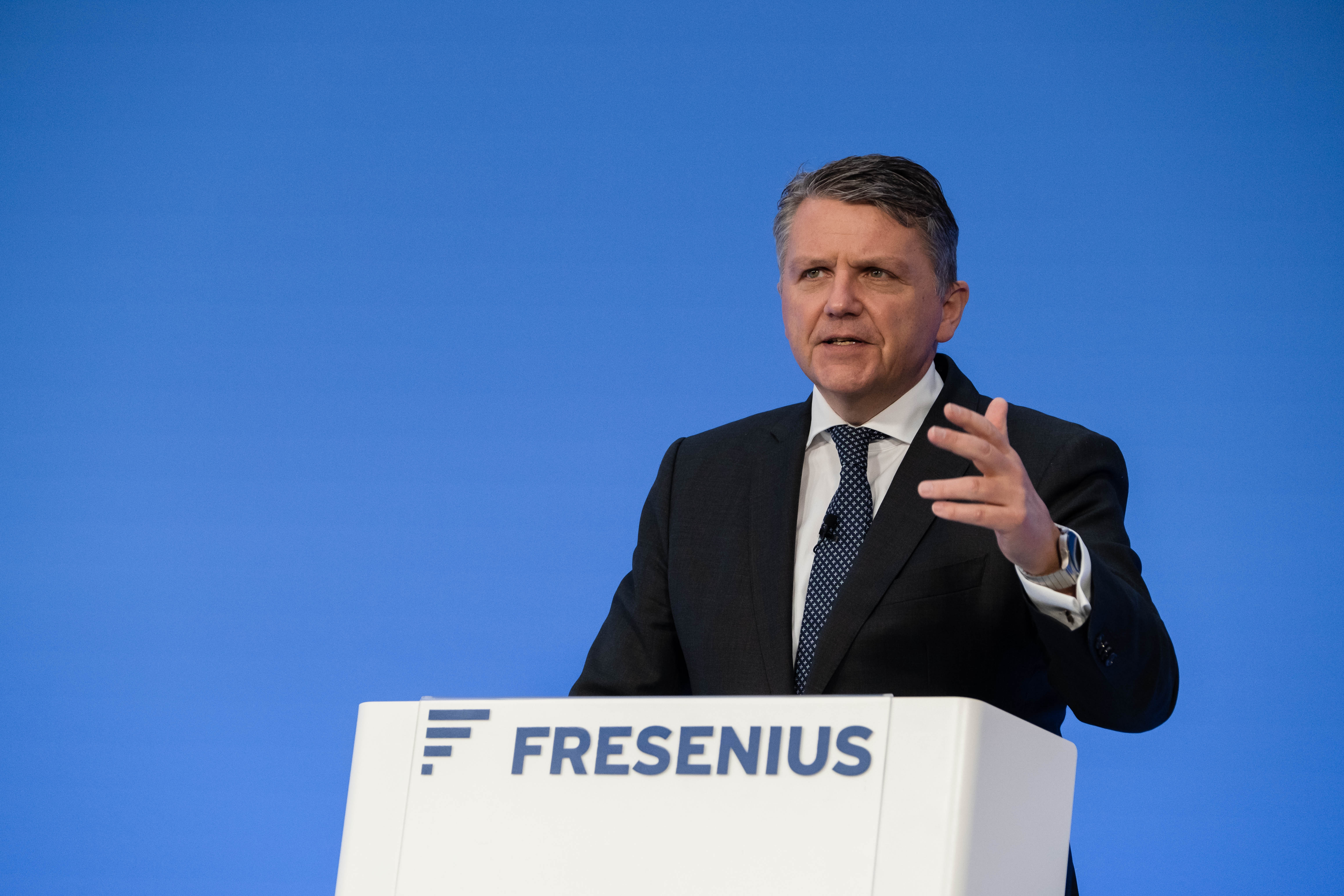
Stephan Sturm in his speech: “We have some challenges to overcome, no question! But our path is clear." Download Image (JPG 1.24 MB) -
![]()
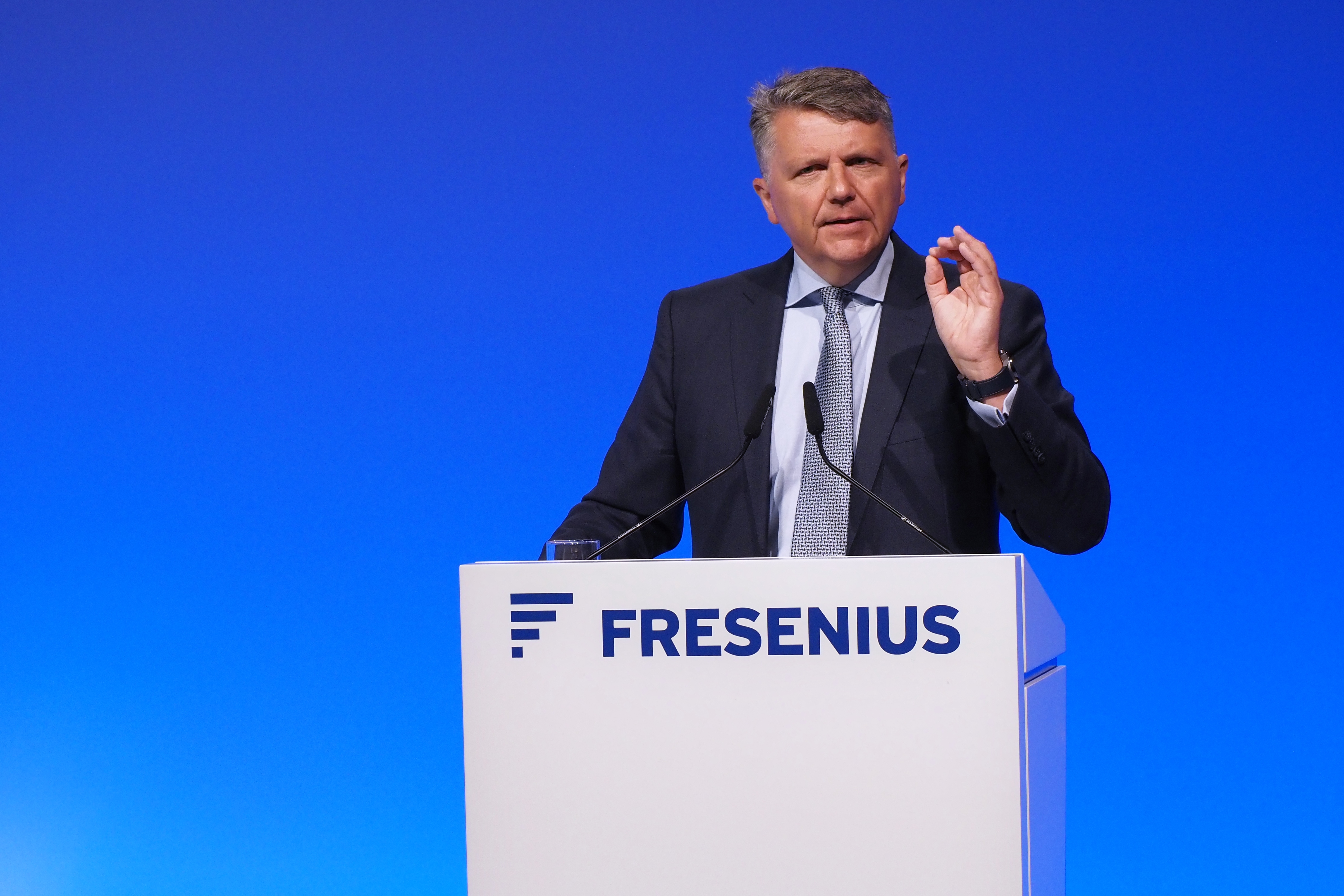
Sturm: "We see continued excellent growth opportunities for all four business segments." Download Image (JPG 3.96 MB) -
![]()
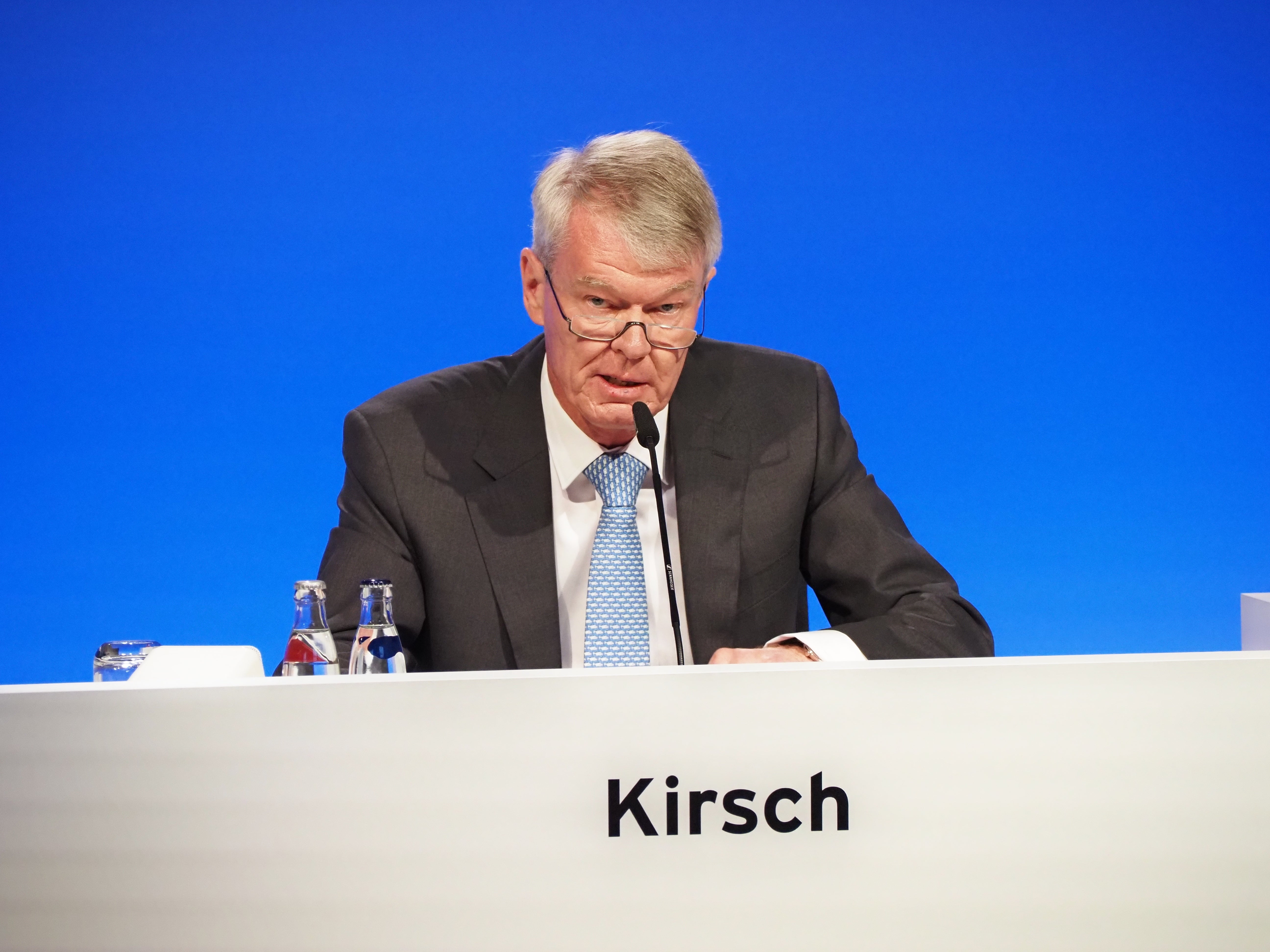
Wolfgang Kirsch, Chairman of the Supervisory Board Download Image (JPG 5.75 MB) -
![]() Download Image (JPG 3.06 MB)
Download Image (JPG 3.06 MB) -
![]()
Susanne Zeidler Download Image (JPG 5.71 MB) -
![]()
Dr. Christoph Zindel Download Image (JPG 5.81 MB)
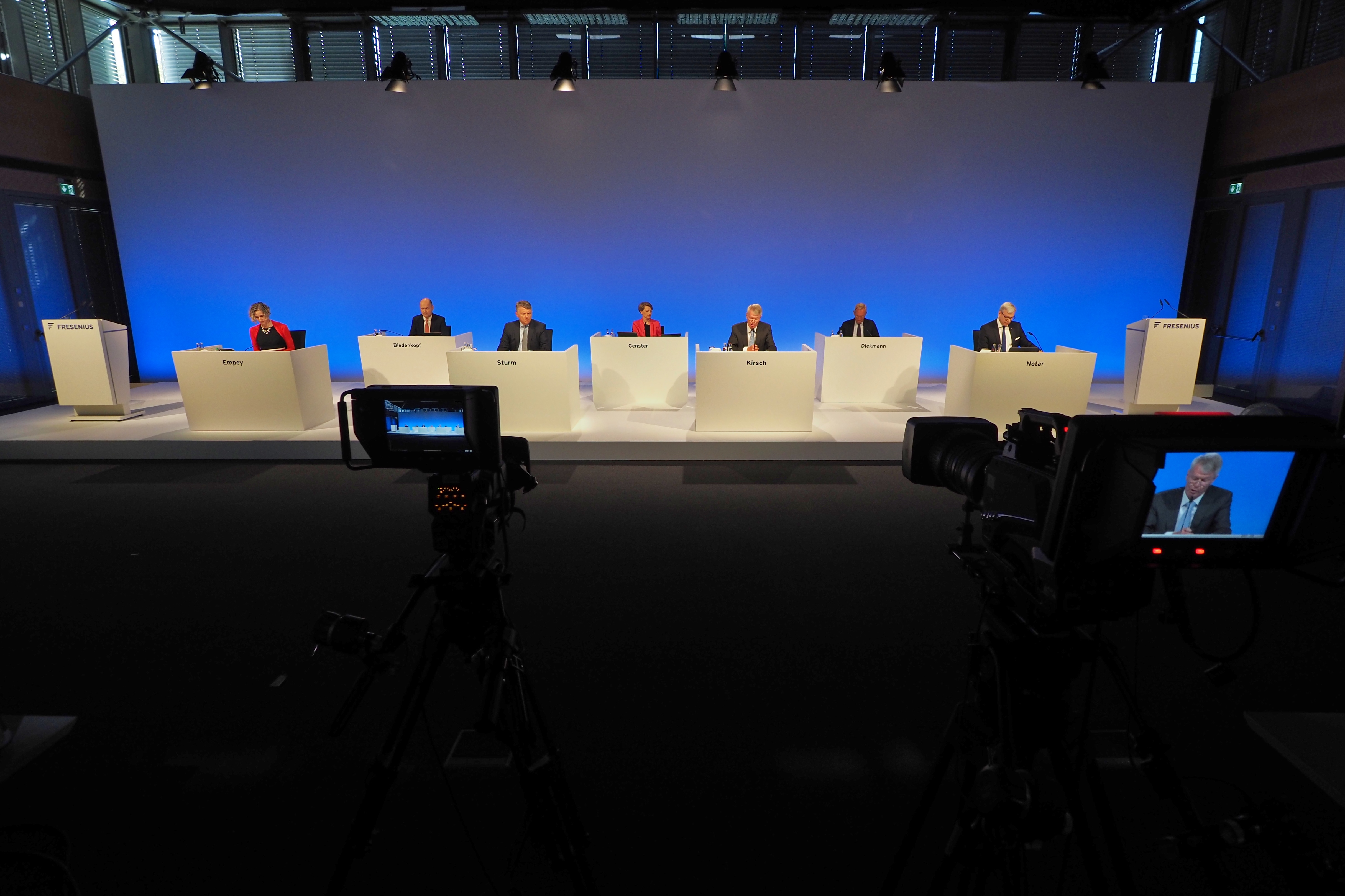
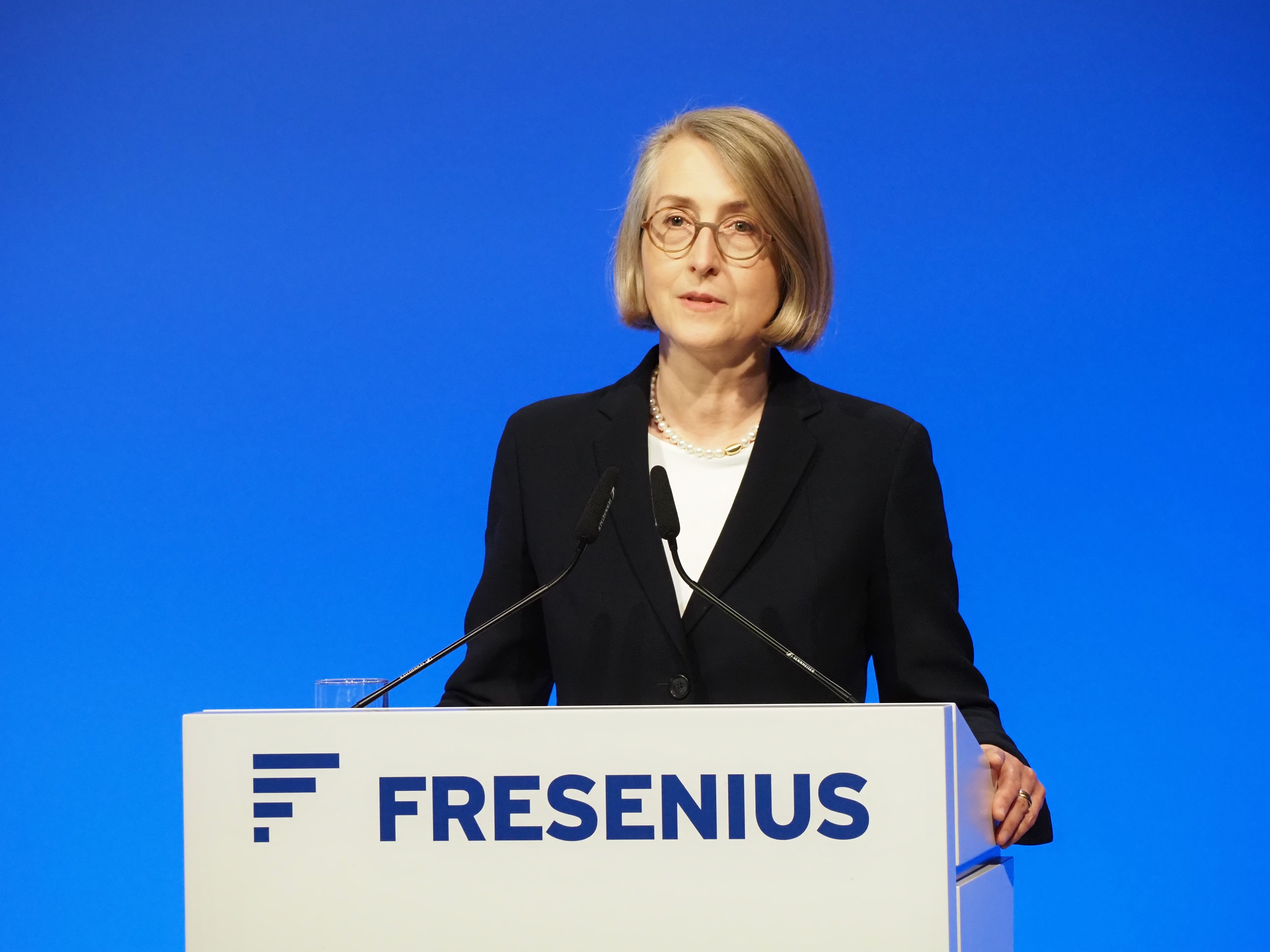
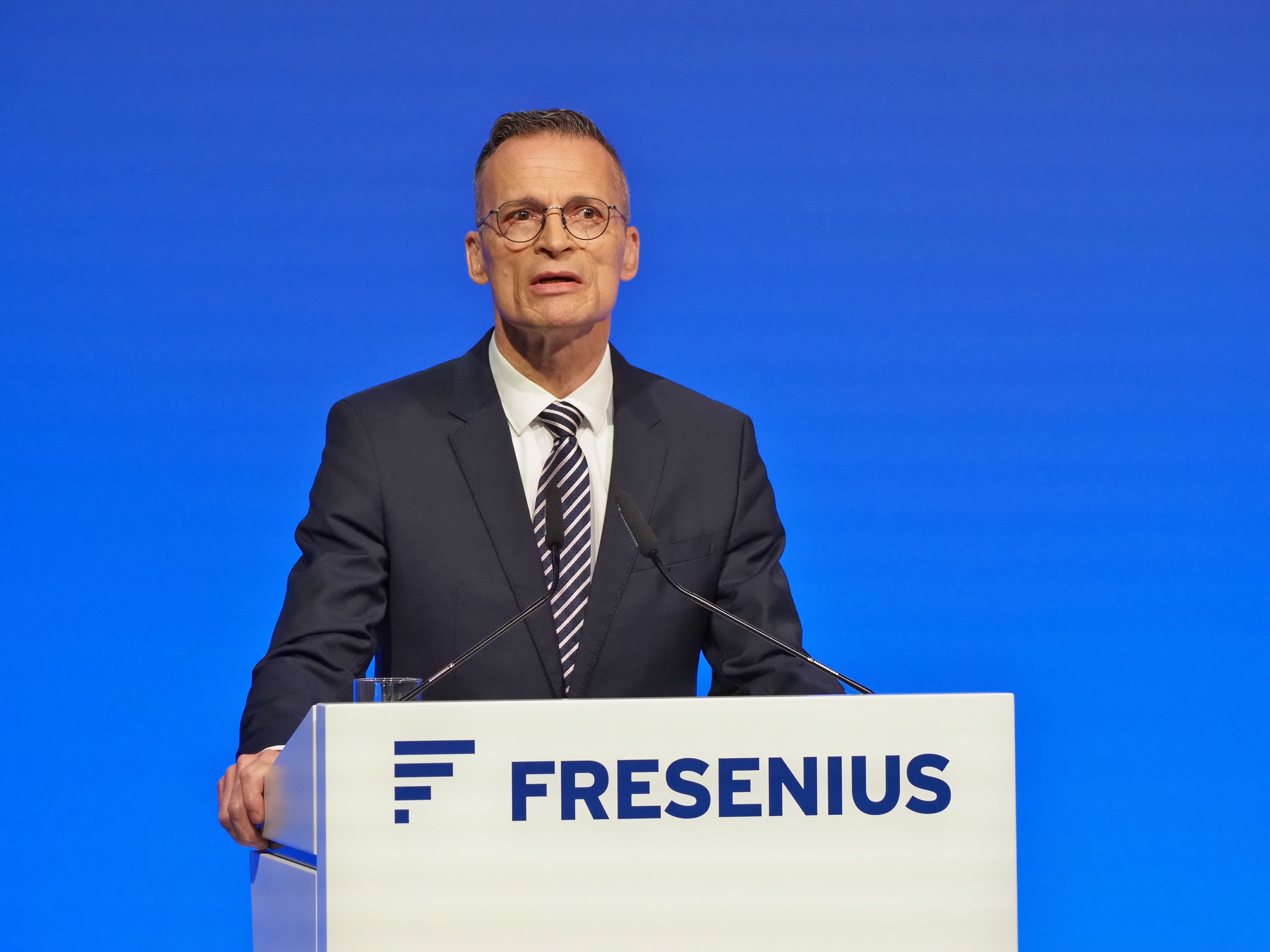
Despite ongoing burdens from the pandemic, the war in Ukraine and other external factors, the global healthcare group Fresenius remains on course for growth. This was confirmed by Stephan Sturm, CEO of Fresenius, at today’s Annual General Meeting: “We have some challenges to overcome, no question! But our path is clear. We have set strategic guidelines to achieve sustainable and accelerating profitable growth. Our goal is, and remains, to create value and benefit for all our stakeholders. By doing what we have done best for 110 years: providing high-quality medicine at affordable prices, tailored to the needs of more and more people around the world who need medical care.”
Sturm said the company’s growth strategy, first set out last year and recently defined in more detail, will make a major contribution here. It includes a company-wide cost-cutting and efficiency program, the accessing of new sources of capital, and prioritizing the distribution of capital among the business segments. “We see continued excellent growth opportunities for all four business segments. Our decisions will enable the accelerated growth of each individual business segment, and thereby also accelerate growth for the entire Group,“ Sturm said. “We want to move Fresenius ahead at speed. And we want a measured and well-managed transformation of our company. Fresenius remains a diversified healthcare group, with a sharper profile, active in wide-ranging and very exciting areas of medicine.”
In his speech, Sturm sharply condemned Russia’s attack on Ukraine: “As a healthcare company, Fresenius fights to save lives: Putin’s army fights to destroy an entire country, with a contempt for people and a brutality that appalls me.” At the same time, the Fresenius CEO explained why the company is not pulling out of Russia: “Because that is also part of our responsibility as a healthcare company. Many of our products and services are essential for life. Our patients depend on them – also in Russia. We cannot simply refuse them life-saving treatments and coldly stand aside and let them die.” Sturm stressed that Fresenius is not making any money in Russia and will not in the foreseeable future, and has put all investments in the country on ice.
Shareholders approved with a large majority of 99.87 percent the 29th consecutive dividend increase proposed by the General Partner and the Supervisory Board. The dividend was raised by 5 percent, to €0.92 per share.
Fresenius is offering a scrip dividend for the first time, thereby giving shareholders the option to receive their dividend (except for the tax portion of the dividend) in the form of new Fresenius shares. The Else Kröner-Fresenius-Foundation has informed Fresenius that it intends to fully participate in the scrip dividend.
The Annual General Meeting elected Susanne Zeidler and Dr. Christoph Zindel to the Supervisory Board of Fresenius SE & Co. KGaA with large majorities. The new elections were made necessary by the departures of Hauke Stars and Klaus-Peter Müller.
The shareholders also approved with a large majority, of 90.47 percent, the Compensation Report for the 2021 business year.
With a majority of 89.09 percent, the shareholders approved a new Authorized Capital I in the amount of €125 million. New authorizations to issue convertible bonds, to repurchase own shares, and to use equity derivatives for repurchasing own shares were also approved.
Shareholder majorities of 99.02 and 92.57 percent, respectively, approved the actions of the Management and Supervisory Boards in 2021.
At the Annual General Meeting of Fresenius SE & Co. KGaA, 73.08 percent of the subscribed capital was represented. Due to the pandemic, the meeting was held exclusively over the Internet in order to protect the health of all participants.
This release contains forward-looking statements that are subject to various risks and uncertainties. Future results could differ materially from those described in these forward-looking statements due to certain factors, e.g. changes in business, economic and competitive conditions, regulatory reforms, results of clinical trials, foreign exchange rate fluctuations, uncertainties in litigation or investigative proceedings, the availability of financing and unforeseen impacts of international conflicts.
Fresenius does not undertake any responsibility to update the forward-looking statements in this release.
-
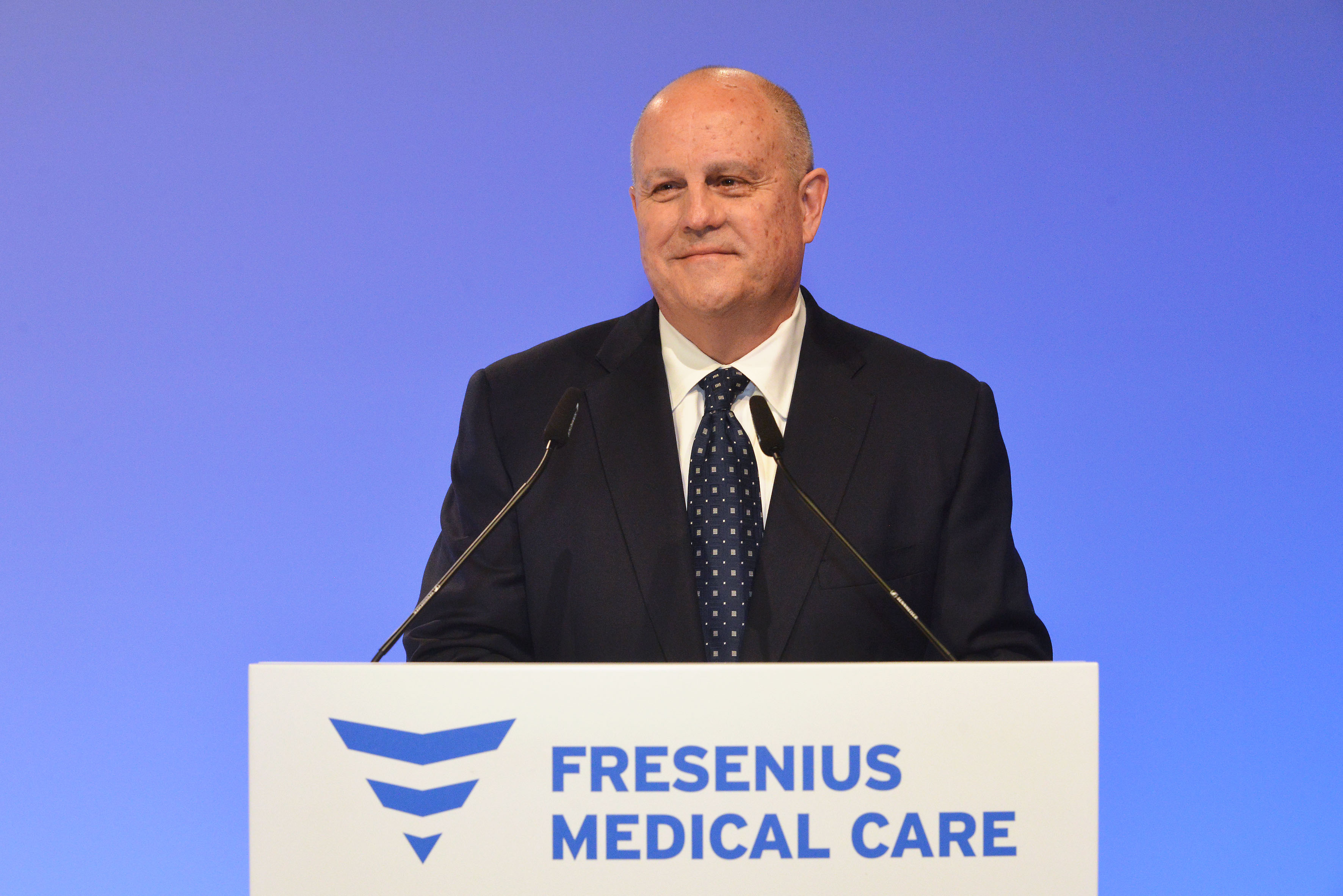
"We believe that the fundamental drivers of our business and growth remain unchanged,” Powell said in his speech. Download Image (JPG 900 KB) -
![]()
CFO Helen Giza and CEO Rice Powell Download Image (JPG 765 KB) -
![]()
Dr. Dieter Schenk, Chairman of the Supervisory Board of Fresenius Medical Care Download Image (JPG 629 KB) -
![]()
Because of the pandemic, the meeting again was held as a purely virtual event. Download Image (JPG 866 KB) -
![]()
It was the last Annual General Meeting for Rice Powell as CEO of Fresenius Medical Care. Download Image (JPG 737 KB)
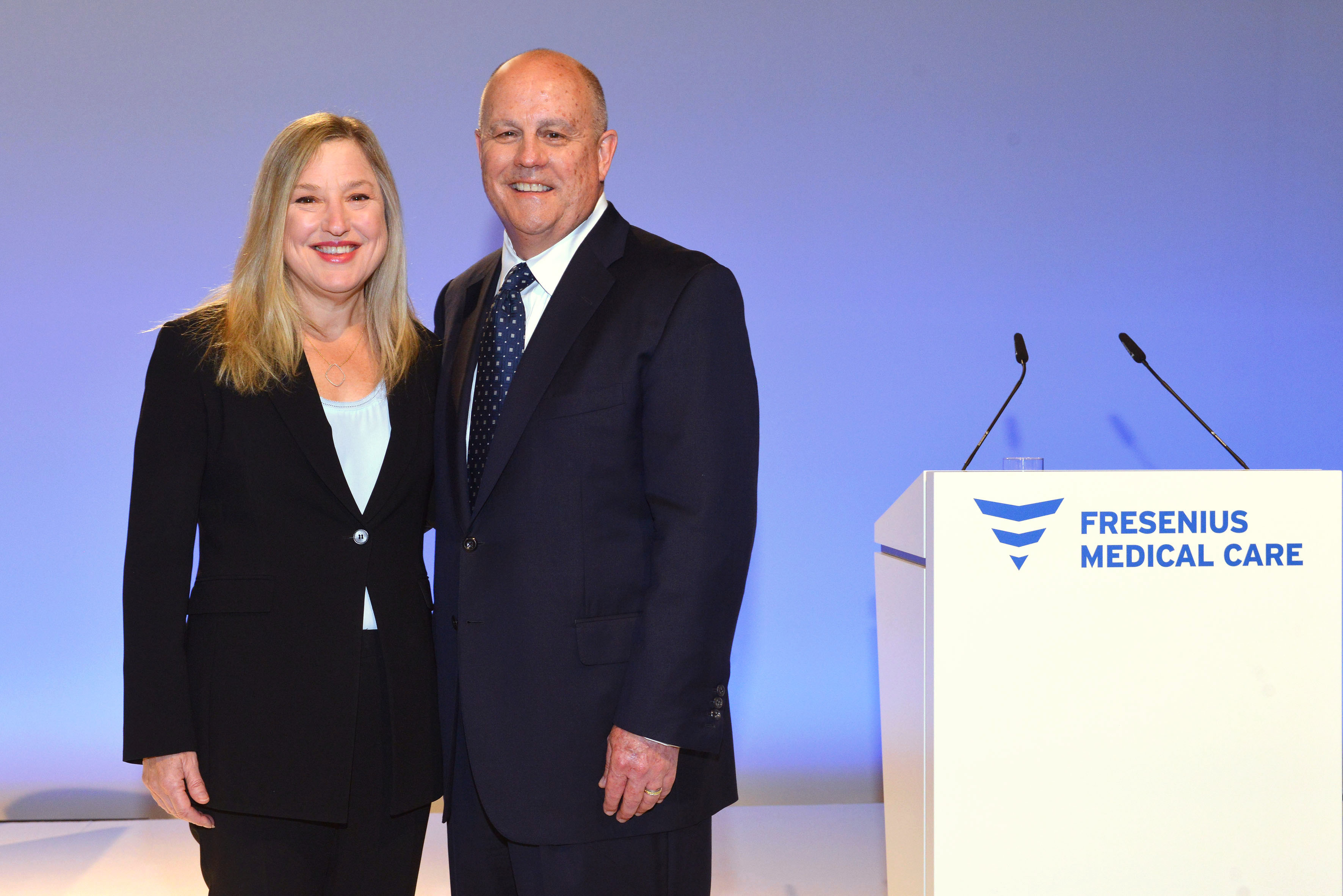
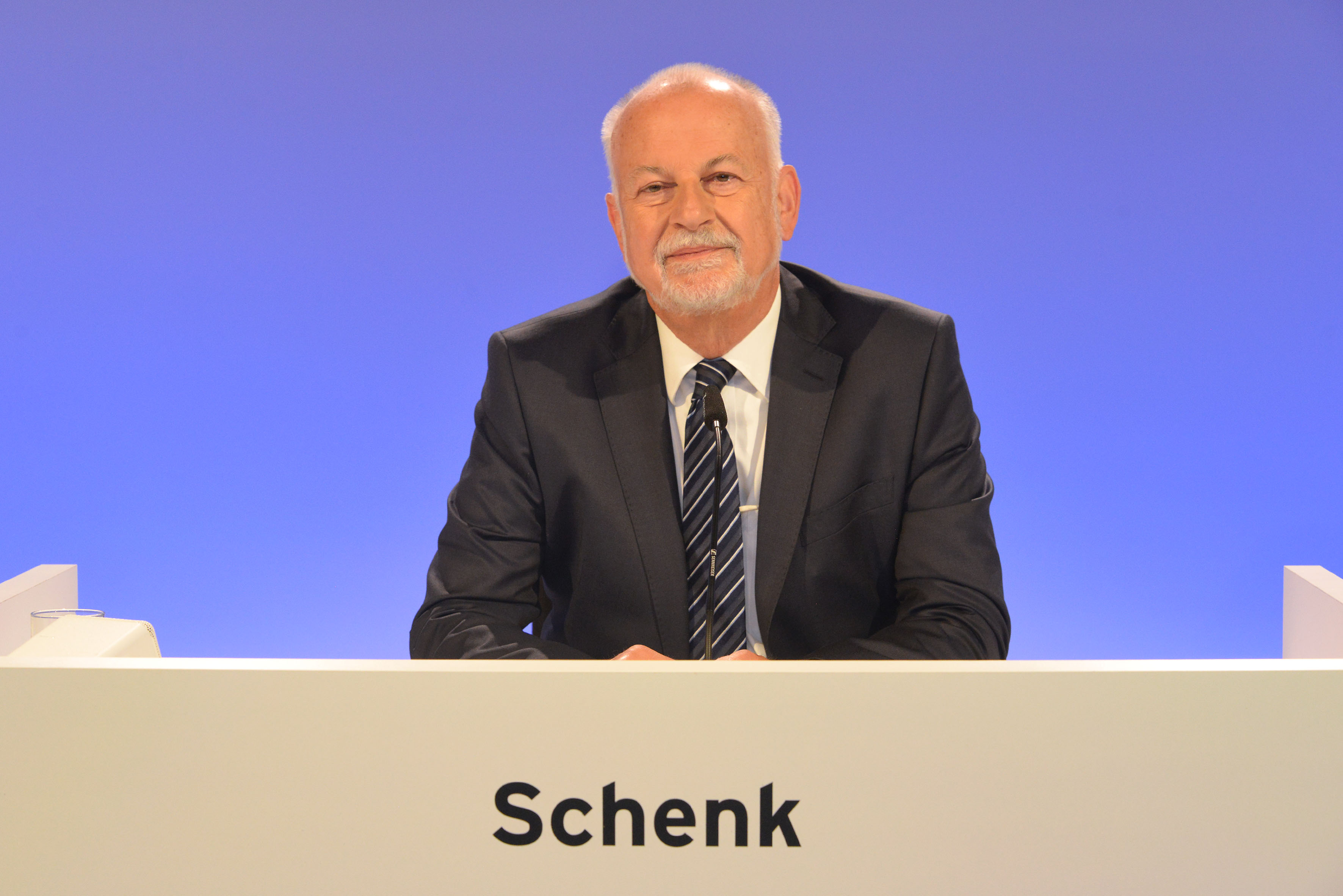
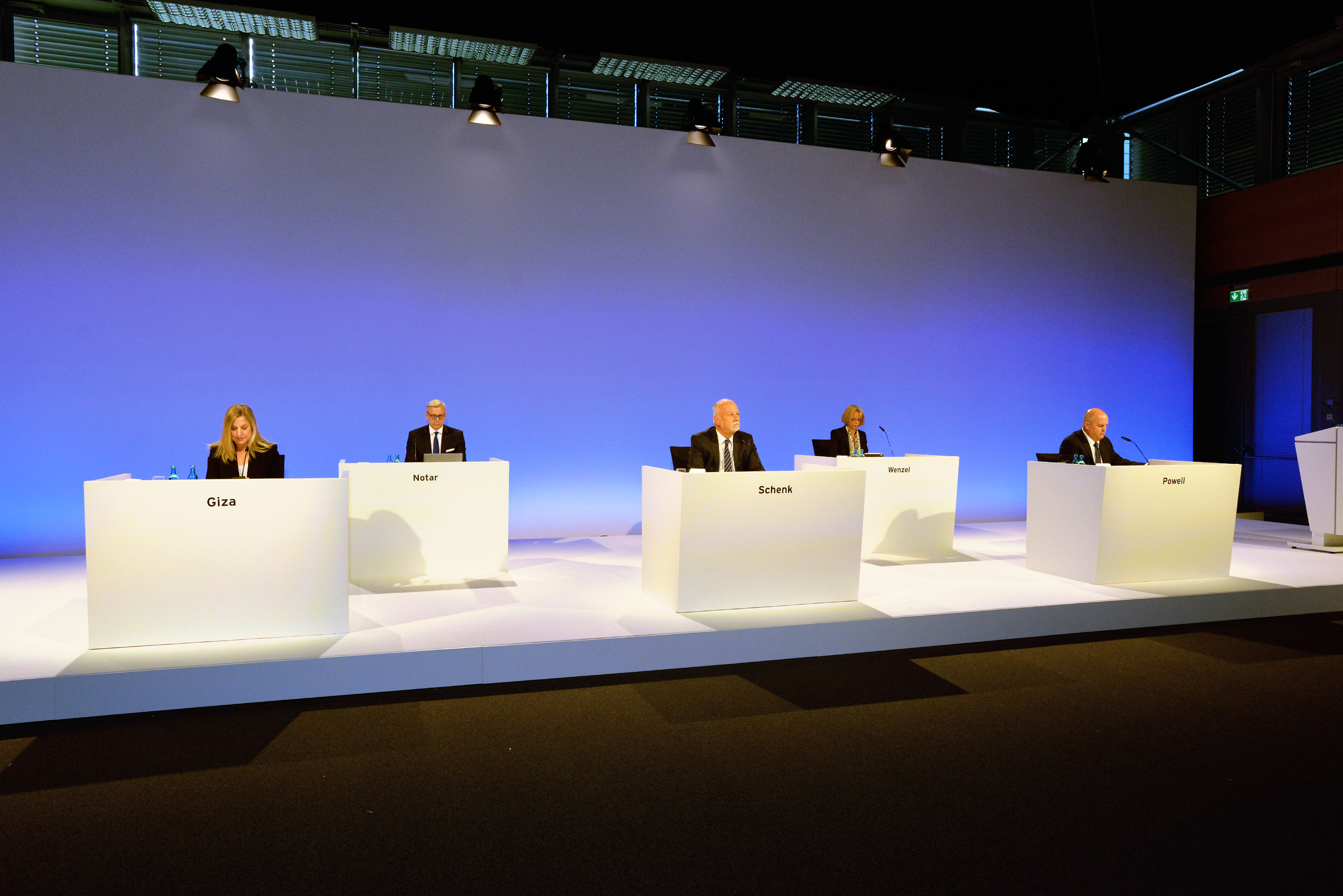
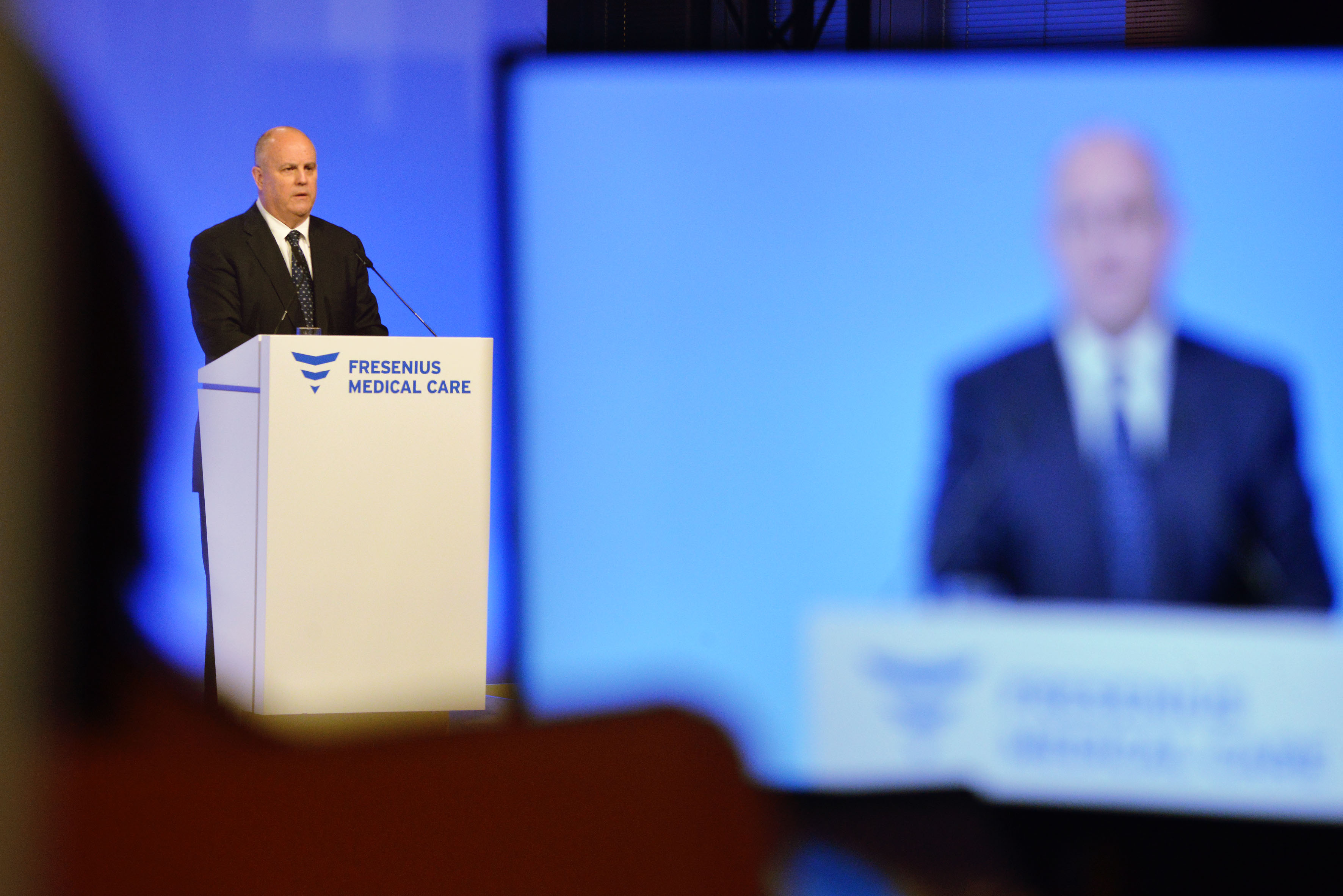
Fresenius Medical Care, the world's leading provider of products and services for individuals with renal diseases, is returning to a growth path after the significant burdens of the COVID-19 pandemic. At today’s Annual General Meeting, Chief Executive Officer Rice Powell confirmed the company’s outlook for 2022: Revenue and net income are expected to grow at low to mid-single digit percentage rates.
“We obviously had to overcome some challenges. Despite the unprecedented effects of COVID-19, we believe that the fundamental drivers of our business and growth remain unchanged,” Powell said in his speech to shareholders. “People across the world are living longer. As the population continues to age, we estimate that more than six million people will require dialysis by 2030 – a 460 percent increase compared to 2000. Our Strategy 2025 puts the company in a position to leverage the opportunities these developments bring and guarantee sustainable profitable growth in the future.”
Strategy 2025 aims at Fresenius Medical Care’s expansion along the renal care continuum. Powell said value-based care programs, in particular, are an important step toward success: “They allow us to keep costs affordable for payors in private and public settings, while improving our patients’ quality of life with ever better products and services.” In addition, the rollout of the company’s new operating model is on track: The FME25 transformation program is set to achieve its first sustained savings this year. After a one-time investment of EUR 450 to 500 million, most cost-saving measures will be implemented by 2024, reducing the annual cost base by EUR 500 million by the end of 2025.
It was the last Annual General Meeting for Rice Powell as CEO of Fresenius Medical Care. As the company announced earlier this month, he will enter retirement when his contract expires on December 31, 2022 and be succeeded as CEO by Dr. Carla Kriwet, who introduced herself personally to the shareholders at today's Annual General Meeting.
A large shareholder majority of 99.49 percent approved the company’s 25th consecutive dividend increase. The dividend will be raised from €1.34 to €1.35 per share.
By another large majority of 94.87 percent, the shareholders approved the compensation report for fiscal year 2021.
Shareholder majorities of 97.65 and 91.69 percent, respectively, approved the actions of the General Partner and the Supervisory Board in 2021.
At the Annual General Meeting, 80.76 percent of the registered capital was represented. Because of the pandemic, the meeting again was held as a purely virtual event in order to protect the health of everyone involved.
This release contains forward-looking statements that are subject to various risks and uncertainties. Actual results could differ materially from those described in these forward-looking statements due to various factors, including, but not limited to, changes in business, economic and competitive conditions, legal changes, regulatory approvals, impacts related to the COVID-19 pandemic results of clinical studies, foreign exchange rate fluctuations, uncertainties in litigation or investigative proceedings, and the availability of financing. These and other risks and uncertainties are detailed in Fresenius Medical Care AG & Co. KGaA's reports filed with the U.S. Securities and Exchange Commission. Fresenius Medical Care AG & Co. KGaA does not undertake any responsibility to update the forward-looking statements in this release.
Implementation of measures as presented herein may be subject to information & consultation procedures with works councils and other employee representative bodies, as per local laws and practice. Consultation procedures may lead to changes on proposed measures.
-
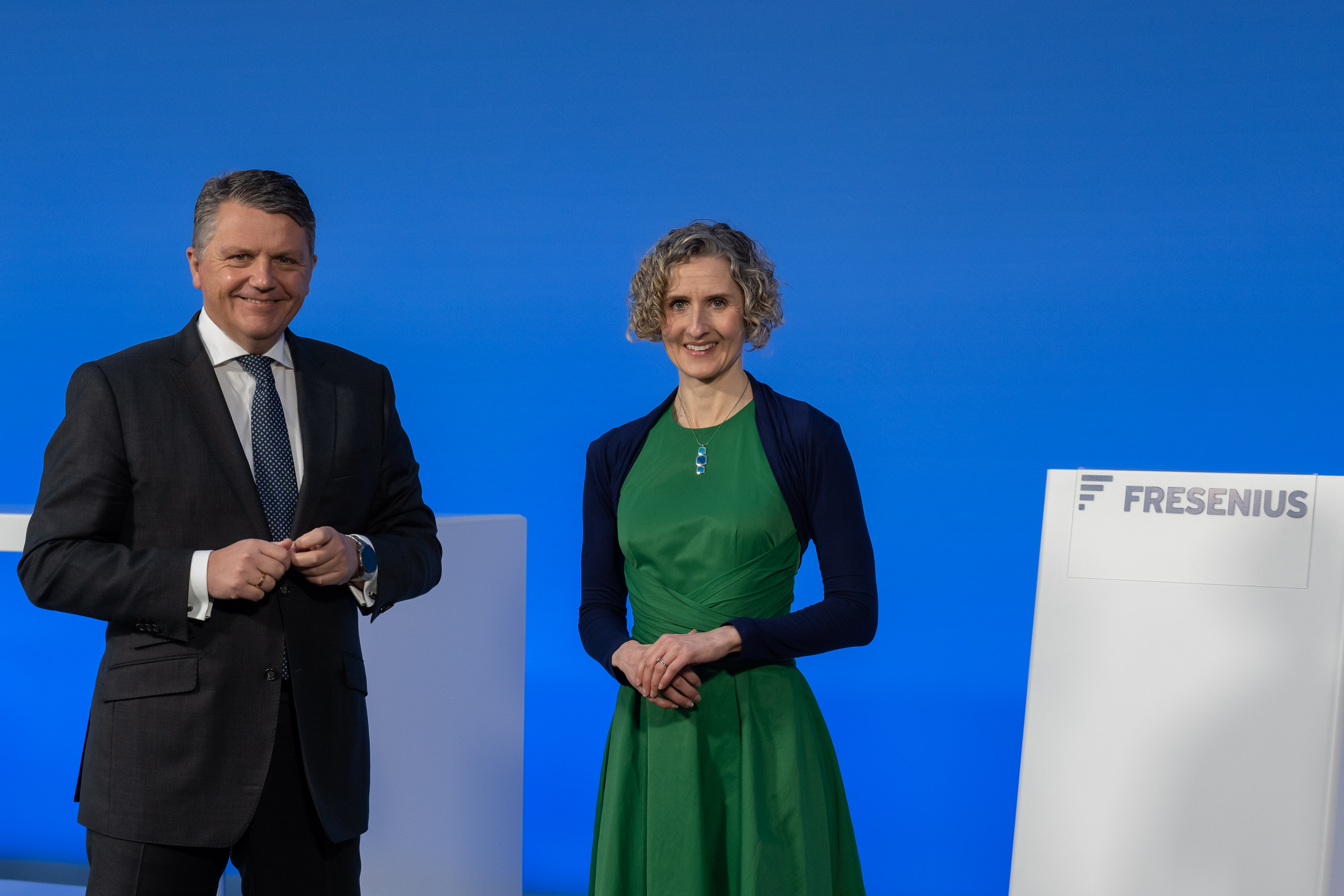
Virtual press conference on February 22, 2022, at the Group's headquarters in Bad Homburg: Stephan Sturm, CEO of Fresenius, and Rachel Empey, CFO. Download Image (JPG 1.81 MB) -
![]()
Stephan Sturm, CEO of Fresenius Download Image (JPG 2.02 MB) -
![]()
Stephan Sturm, CEO of Fresenius Download Image (JPG 2.40 MB) -
![]()
Stephan Sturm, CEO of Fresenius Download Image (JPG 1.56 MB)
- Further earnings growth in 2022 expected despite ongoing COVID-19 effects, and cost inflation impact
- Accelerated execution of cost and efficiency program leading to earlier and significantly higher savings
- Medium-term growth targets confirmed and specified
- 29th consecutive dividend increase – scrip dividend proposed
- Fresenius to be climate neutral by 2040
If no timeframe is specified, information refers to Q4/2021.

1 Before special items
2 Net income attributable to shareholders of Fresenius SE & Co. KGaA
For a detailed overview of special items please see the reconciliation tables on pages 21-25 in the PDF.
Stephan Sturm, CEO of Fresenius, said: “Our mission is to protect people’s health. Fulfilling that mission has rarely been as difficult as during this pandemic. But we have done our part and have lived up to our responsibility. In business terms, too, 2021 was challenging yet successful: We delivered a strong final quarter and fully met our targets for the year. In 2022 we expect continued profitable growth, despite rising inflation and the ongoing burdens caused by the pandemic. In our cost and efficiency program, we have made faster than expected progress. This is an important factor enabling us to confirm the medium-term targets we set well before the pandemic, giving us all the more reason to look ahead with optimism.”
Path to accelerated growth
Fresenius has defined a strategic path to pursue accelerated profitable growth and hence to sustainably strengthen the Group and each of its business segments by tapping new sources of capital and prioritizing segment capital allocation. All our stakeholders continue to benefit from the advantages of the Group’s current structure, which offers stability through diversification as well as efficiency through economies of scale, access to attractive debt financing and tax savings.
All of Fresenius’ business segments have excellent market positions and ample meaningful growth opportunities. Properly balancing the objectives of all our stakeholder groups requires an even more targeted approach to capital allocation. While Fresenius continues to believe in the virtues of vertical integration, the Company is keen to gradually re-balance the relative weights of its products and service businesses.
Primarily based on its superior profitability and excellent growth prospects, Fresenius Kabi is defined as top priority. With respect to Fresenius Medical Care, which has been particularly hard hit by the pandemic, the transformation program FME25 is expected to result in ever improving profitability and accelerated growth, driving improved valuation for Fresenius’ controlling stake. For Fresenius Helios and Fresenius Vamed, smaller inorganic growth opportunities will continue to be financed from Fresenius Group funds. For larger growth opportunities, Fresenius is open to value-enhancing external equity investments at the level of these business segments. An equity increase on Group level would then be redundant and is hence not foreseen.
By setting this course, Fresenius will accelerate the growth of each of our business segments for the benefit of all stakeholders.
“We are moving Fresenius ahead at speed, with a measured and well-managed transformation of our company. All our business segments have strong market positions, and great growth potential. We intend to harness this potential – guided by clear strategic priorities that will combine additional sources of more dynamic growth with the advantages of a broad business structure. Fresenius remains a diversified healthcare group, with a sharper profile, that will be active in wide-ranging and very exciting areas of medicine,” said Stephan Sturm, CEO of Fresenius.
FY/22 Group guidance
For FY/22, Fresenius projects sales growth1 in a mid-single-digit percentage range in constant currency. Net income2,3 is expected to grow in a low-single-digit percentage range in constant currency. Implicitly, net income2 for the Group excluding Fresenius Medical Care is expected to grow in a low-single-digit percentage range in constant currency.
Without further acquisitions, Fresenius projects an improvement of the net debt/EBITDA4 ratio (December 31, 2021: 3.51x5) into the self-imposed target corridor of 3.0x to 3.5x by the end of 2022.
Assumptions for guidance FY/22
COVID-19 will continue to impact Fresenius’ operations in 2022. The extent of the impact on the Group is to a large degree dependent on the vaccination coverage in Fresenius’ relevant markets and the potential evolution of new virus mutants.
Fresenius closely monitors the development of the COVID-19 pandemic and the associated various containment measures enacted in the Company’s relevant markets. Fresenius expects COVID-19 case numbers to decline from spring 2022 onwards and consequently the number of elective treatments and staff availability to improve. A possible significant deterioration of the situation associated with further containment measures that could have a significant and direct impact on the health care sector without any appropriate compensation is not reflected in the Group’s FY/22 guidance.
1 FY/21 base: €37,520 million
2 Net income attributable to shareholders of Fresenius SE & Co. KGaA
3 FY/21 base: €1,867 million; before special items; FY/22: before special items
4 At LTM average exchange rates for both net debt and EBITDA; pro forma closed acquisitions/divestitures; excluding further potential acquisitions; before special items; including lease liabilities
5 At LTM average exchange rates for both net debt and EBITDA; pro forma closed acquisitions/divestitures; before special items; including lease liabilities
For a detailed overview of special items please see the reconciliation tables on pages 21-25 in the PDF.
Headwinds from cost inflation are reflected. However, Fresenius expects no significant acceleration of inflation effects and supply chain challenges versus the current environment. The Management Board assumes an unchanged corporate tax rate in the United States.
Furthermore, the assumptions for Fresenius Medical Care's FY/22 guidance are also fully applicable to Fresenius Group's FY/22 guidance.
All of these assumptions are subject to considerable uncertainty.
Cost and efficiency program leading to significantly higher savings
Fresenius has successfully completed the first phase of its cost and efficiency program aiming to further safeguard the Group’s medium-term targets and to sustainably enhance profitability. This has led to initial cost savings of ~€20 million and one-time expenses of ~€80 million in 2021. Given the good progress, especially driven by the accelerated implementation of initiatives, Fresenius significantly increases its savings target and now expects cost savings of at least €150 million p.a. after tax and minority interest in 2023. Initially, more than €100 million p.a. after tax and minority interest were projected. For the years thereafter, a further significant increase in sustainable cost savings is expected. The savings will be achieved by all four business segments and the corporate center.
Fresenius anticipates that achieving these sustainable efficiency improvements will require up-front expenses of more than €200 million in 2022 and further expenses of around €100 million in 2023, in each case after taxes and minority interest. No further significant expenses are expected thereafter. In line with previous practice, these expenses are classified as special items.
Growth targets for 2020 – 2023 confirmed and specified
Based on the anticipated positive contributions from the cost and efficiency program as well as the attractive growth opportunities across all business segments, Fresenius expects Group earnings growth to meaningfully accelerate until 2023. The company hence confirms its medium-term targets set in 2019 despite the ongoing challenges posed by COVID-19. At the same time, Fresenius specifies its expectations and now anticipates Group organic sales growth to reach the bottom to middle of the targeted 4% to 7% compounded annual growth rate (CAGR) and Group organic net income1,2 growth to be at the bottom end of the 5% to 9% CAGR during 2020 to 2023. Due to the COVID-19 pandemic, Fresenius now expects small and medium-sized acquisitions to contribute an incremental CAGR of less than 1% to both sales and net income growth.
29th consecutive dividend increase proposed
Consistent with Fresenius’ stated policy, the Management Board of Fresenius will propose to the Supervisory Board a dividend increase of 5% to €0.92 per share for FY/21 (FY/20: €0.88). Provided the proposal is approved by the Supervisory Board and the Annual General Meeting, this will be the 29th consecutive dividend increase.
The Management Board will propose a scrip dividend to the Supervisory Board, thereby giving shareholders the option to receive their dividend (except for the tax portion of the dividend) in the form of new Fresenius shares. The Else Kröner-Fresenius-Foundation has informed Fresenius that it intends to fully participate in the scrip dividend.
Fresenius to be climate neutral by 2040
Fresenius has set a climate target for the Group complementing its existing sustainability targets and programs. The company aims to be climate neutral by 2040 and to reduce 50% of absolute scope 1 and scope 2 emissions by 2030 compared to 2020 levels. Fresenius will continuously assess scope 3 emission impacts for inclusion in targets. Further information at https://www.fresenius.com/sustainability and in today’s separate press release at https://www.fresenius.com/news.
1 Net income attributable to shareholders of Fresenius SE & Co. KGaA
2 Before special items
For a detailed overview of special items please see the reconciliation tables on pages 21-25 in the PDF.
5% sales growth in constant currency
Group sales increased by 7% (5% in constant currency) to €9,966 million (Q4/20: €9,304 million). Organic growth was 4%. Acquisitions/divestitures contributed net 1% to sales growth. Currency translation increased sales growth by 2%. Excluding estimated COVID-19 effects1, Group sales growth would have been 5% to 6% in constant currency.
In FY/21, Group sales increased by 3% (5% in constant currency) to €37,520 million (FY/20: €36,277 million). Organic growth was 4%. Acquisitions/divestitures contributed net 1% to sales growth. Currency translation reduced sales growth by 2%. Excluding estimated COVID-19 effects1, Group sales growth would have been 5% to 6% in constant currency.
5% net income2,3 growth in constant currency
Group EBITDA before special items decreased by 2% (-5% in constant currency) to €1,846 million (Q4/202: €1,886 million). Reported Group EBITDA was €1,868 million (Q4/20: €1,854 million).
In FY/21, Group EBITDA before special items decreased by 4% (-2% in constant currency) to €6,854 million (FY/202: €7,132 million). Reported Group EBITDA was €6,825 million (FY/20: €7,100 million).
Group EBIT before special items decreased by 7% (-9% in constant currency) to €1,166 million (Q4/202: €1,251 million). The decrease is primarily due to COVID-19 related headwinds at Fresenius Medical Care. The EBIT margin before special items was 11.7% (Q4/202: 13.4%). Reported Group EBIT was €1,123 million (Q4/20: €1,024 million).
In FY/21, Group EBIT before special items decreased by 8% (-6% in constant currency) to €4,252 million (FY/202: €4,612 million). The decrease is primarily due to COVID-19 related headwinds at Fresenius Medical Care. The EBIT margin before special items was 11.3% (FY/202: 12.7%). Reported Group EBIT was €4,158 million (FY/20: €4,385 million).
1 For estimated COVID-19 effects in Q4/21 and FY/21 please see table on page 19 in the PDF.
2 Before special items
3 Net income attributable to shareholders of Fresenius SE & Co. KGaA
For a detailed overview of special items please see the reconciliation tables on pages 21-25 in the PDF.
Group net interest before special items improved to -€120 million (Q4/202: -€159 million) mainly due to successful refinancing activities. Reported Group net interest improved to -€122 million (Q4/20: -€156 million).
In FY/21, Group net interest before special items improved to -€504 million (FY/201: - €654 million) while reported Group net interest improved to -€506 million (FY/20: -€659 million).
The Group tax rate before special items was 23.1% (Q4/201: 24.1%) while the reported Group tax rate was 24.2% (Q4/20: 29.4%). In FY/21, the Group tax rate before special items was 22.6% (FY/201: 23.1%) while the reported Group tax rate was 22.8% (FY/20: 24.2%).
Noncontrolling interests before special items were €283 million (Q4/201: €335 million) of which 90% were attributable to the noncontrolling interests in Fresenius Medical Care. Reported noncontrolling interests were €260 million (Q4/20 reported: €203 million).
In FY/21, noncontrolling interests before special items were €1,033 million (FY/201: €1,248 million) of which 91% were attributable to the noncontrolling interests in Fresenius Medical Care. Reported noncontrolling interests were €1,001 million (FY/20 reported: €1,116 million).
Group net income2 before special items increased by 5% (3% in constant currency) to €521 million (Q4/201: €494 million). The increase is driven by the strong development of Fresenius Kabi’s Emerging Market business, a good performance at Helios Germany, an excellent finish to the year by Fresenius Vamed and the favorable net interest development. Excluding estimated COVID-19 effects3, Group net income2 before special items would have grown 3% to 7% in constant currency. Reported Group net income2 increased to €499 million (Q4/20: €410 million).
In FY/21, Group net income2 before special items increased by 4% (5% in constant currency) to €1,867 million (FY/201: €1,796 million). Excluding estimated COVID-19 effects3, Group net income2 before special items would have grown 6% to 10% in constant currency. Reported Group net income2 increased to €1,818 million (FY/20: €1,707 million).
1 Before special items
2 Net income attributable to shareholders of Fresenius SE & Co. KGaA
3 For estimated COVID-19 effects in Q4/21 and FY/21 please see table on page 19 in the PDF.
For a detailed overview of special items please see the reconciliation tables on pages 21-25 in the PDF.
Earnings per share1 before special items increased by 5% (2% in constant currency) to €0.94 (Q4/202: €0.88). Reported earnings per share1 were €0.90 (Q4/20: €0.73). In FY/21, earnings per share1 before special items increased by 4% (5% in constant currency) to €3.35 (FY/202: €3.22). Reported earnings per share1 were €3.26 (FY/20: €3.06).
Continued investment in growth
Spending on property, plant and equipment was €690 million corresponding to 7% of sales (Q4/20: €856 million; 9% of sales). These investments served primarily for the modernization and expansion of dialysis clinics, production facilities as well as hospitals and day clinics. In FY/21, spending on property, plant and equipment was €2,032 million corresponding to 5% of sales (FY/20: €2,398 million; 7% of sales).
Total acquisition spending was €278 million (Q4/20: €251 million). In FY/21, total acquisition spending was €1,085 million (FY/20: €902 million) mainly for the acquisition of the Eugin Group at Fresenius Helios which has been consolidated since April 1, 2021, and the acquisition of dialysis clinics at Fresenius Medical Care.
Strong cash flow development in Q4/21
Group operating cash flow increased by 26% to €1,749 million (Q4/20: €1,390 million) with an improved margin of 17.5% (Q4/20: 14.9%) mainly due to stringent working capital management. The good operating performance at Helios Spain, Fresenius Vamed and Fresenius Kabi also contributed to the positive development. Free cash flow before acquisitions and dividends increased to €1,075 million (Q4/20: €590 million). Free cash flow after acquisitions and dividends increased to €841 million (Q4/20: €329 million).
In FY/21, Group operating cash flow decreased to €5,078 million (FY/20: €6,549 million) with a margin of 13.5% (FY/20: 18.1%) mainly due to the U.S. government’s advanced payments received in 2020 and the partial recoupment of these payments in 2021 at Fresenius Medical Care.
Free cash flow before acquisitions and dividends decreased to €3,061 million (FY/20: €4,183 million). Free cash flow after acquisitions and dividends decreased to €1,193 million (FY/20: €2,478 million).
1 Net income attributable to shareholders of Fresenius SE & Co. KGaA
2 Before special items
For a detailed overview of special items please see the reconciliation tables on pages 21-25 in the PDF.
Solid balance sheet structure
Group total assets increased by 8% (4% in constant currency) to €71,962 million (Dec. 31, 2020: €66,646 million). The increase is mainly due to currency translation effects, acquisitions as well as the expansion of business activities. Current assets increased by 11% (8% in constant currency) to €17,461 million (Dec. 31, 2020: €15,772 million) driven by the increase of cash and cash equivalents, trade accounts receivables and inventories. Non-current assets increased by 7% (3% in constant currency) to €54,501 million (Dec. 31, 2020: €50,874 million).
Total shareholders’ equity increased by 13% (7% in constant currency) to €29,288 million (Dec. 31, 2020: €26,023 million). The increase is due to currency translation effects as well as the good net income development. The equity ratio was 40.7% (Dec. 31, 2020: 39.0%).
Group debt increased by 5% (2% in constant currency) to €27,155 million (Dec. 31, 2020: € 25,913 million). Group net debt increased by 1% (-1% in constant currency) to € 24,391 million (Dec. 31, 2020: € 24,076 million).
As of December 31, 2021, the net debt/EBITDA ratio increased to 3.51x1,2 (Dec. 31, 2020: 3.44x1,2) driven by COVID-19 effects weighing on EBITDA.
1 At LTM average exchange rates for both net debt and EBITDA; pro forma closed acquisitions/divestitures; including lease liabilities
2 Before special items
For a detailed overview of special items please see the reconciliation tables on pages 21-25 in the PDF.
Increased number of employees
As of December 31, 2021, the Fresenius Group had 316,078 employees worldwide (September 30, 2021: 314,852).
Business Segments
Fresenius Medical Care (Financial data according to Fresenius Medical Care press release)
Fresenius Medical Care is the world's largest provider of products and services for individuals with renal diseases. As of December 31, 2021, Fresenius Medical Care was treating 345,425 patients in 4,171 dialysis clinics. Along with its core business, the Renal Care Continuum, the company focuses on expanding in complementary areas and in the field of critical care.
- Business development significantly impacted by COVID-19 in 2021, effects are expected to continue into 2022
- Decline in excess mortality in the fourth quarter
- Return to earnings growth in 2022 targeted
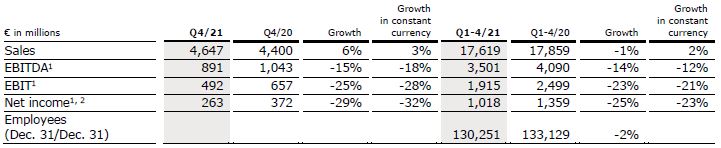
Sales increased by 6% (3% in constant currency) to €4,647 million (Q4/20: €4,400 million). Currency translation increased sales growth by 3%. Organic growth was 2%. Acquisitions/divestitures contributed net 1% to sales growth.
In FY/21, sales decreased by 1% (increased by 2% in constant currency) to €17,619 million (FY/20: €17,859 million). Currency translation decreased sales growth by 3%. Organic growth was 1%. Acquisitions/divestitures contributed net 1% to sales growth.
EBIT decreased by 3% (-7% in constant currency) to €449 million (Q4/20: €462 million) resulting in a margin of 9.7% (Q4/20: 10.5%). EBIT before special items decreased by 25% (-28% in constant currency) to €492 million (Q4/20: €657 million), resulting in a margin of 10.6% (Q4/20: 14.9%). The decline was mainly due to a remeasurement effect on the fair value of investments, higher labor cost, the adverse COVID-19-related net effects and inflationary materials cost increases. These effects were only slightly mitigated by an improved U.S. payor mix, in particular due to an increased number of patients with Medicare Advantage coverage.
1 Before special items
2 Net income attributable to shareholders of Fresenius Medical Care AG & Co. KGaA
For a detailed overview of special items please see the reconciliation tables on pages 21-25 in the PDF.
In FY/21, EBIT decreased by 20% (-17% in constant currency) to €1,852 million (FY/20: €2,304 million) resulting in a margin of 10.5% (FY/20: 12.9%). EBIT before special items decreased by 23% (-21% in constant currency) to €1,915 million (FY/20: €2,499 million), resulting in a margin of 10.9% (FY/20: 14.0%).
Net income1 increased by 29% (23% in constant currency) to €229 million (Q4/20: €177 million). Net income1 before special items decreased by 29% (-32% in constant currency) to €263 million (Q4/20: €372 million) mainly due to the mentioned negative effects on operating income. In FY/21, net income1 decreased by 17% (-14% in constant currency) to €969 million (FY/20: €1,164 million). Net income1 before special items decreased by 25% (-23% in constant currency) to €1,018 million (FY/20: €1,359 million).
Operating cash flow was €669 million (Q4/20: €584 million) with a margin of 14.4% (Q4/20: 13.3%). The increase was mainly due to improved working capital including contributions from FME25 and U.S. federal relief funding, partially offset by continued recoupment of the U.S. government’s payments received in 2020 under the CARES Act and lower tax payments related to COVID-19 reliefs in the prior year. In FY/21, operating cash flow was €2,489 million (FY/20: €4,233 million) with a margin of 14.1% (FY/20: 23.7%).
For FY/22, Fresenius Medical Care expects revenue2 and net income1,3 to grow at low- to mid-single-digit percentage rates in constant currency4. For the underlying assumptions please see Fresenius Medical Care’s press release at http://www.freseniusmedicalcare.com.
For further information, please see Fresenius Medical Care’s press release at http://www.freseniusmedicalcare.com.
1 Net income attributable to shareholders of Fresenius Medical Care AG & Co. KGaA
2 FY/21 base: €17,619 million
3 FY/21 base: €1,018 million, before special items; FY/22 before special items
4 These targets are based on the 2021 results excluding the costs related to FME25 of €49 million (for net income). They are based on the outlined assumptions (http://www.freseniusmedicalcare.com), in constant currency and exclude special items. Special items include further costs related to FME25 and other effects that are unusual in nature and have not been foreseeable or not foreseeable in size or impact at the time of giving guidance.
For a detailed overview of special items please see the reconciliation tables on pages 21-25 in the PDF.
Fresenius Kabi
Fresenius Kabi offers intravenously administered generic drugs, clinical nutrition and infusion therapies for seriously and chronically ill patients in the hospital and outpatient environments. The company is also a leading supplier of medical devices and transfusion technology products. In the biosimilars business, Fresenius Kabi develops products with a focus on oncology and autoimmune diseases.
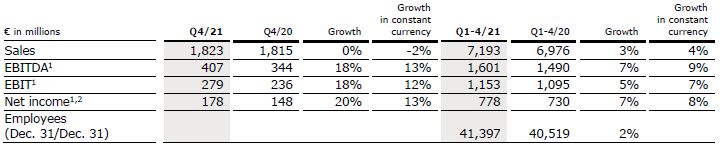
- Good performance in Q4 supported by COVID-driven demand, not expected to continue through 2022
- North America with positive organic sales and EBIT growth despite supply chain challenges
- Asia-Pacific with anticipated organic sales decline due to price effects in China post successful participation in NVBP tenders
- Separate reporting of Biosimilars sales starting Q1/22
Sales remained on previous year’s level (decreased by -2% in constant currency) at €1,823 million (Q4/20: €1,815 million). Organic growth was -1%. Divestitures reduced sales growth by 1%. Positive currency translation effects (2%) were mainly related to the appreciation of the U.S. dollar and the Chinese yuan against the Euro.
In FY/21, sales increased by 3% (4% in constant currency) to €7,193 million (FY/20: €6,976 million). Organic growth was 4%. Negative currency translation effects of 1% were mainly related to the weakness of the U.S. dollar.
Sales in North America increased by 7% (organic growth: 2%) to €589 million (Q4/20: €549 million) driven by COVID-19 related extra demand. In FY/21, sales in North America decreased by 5% (organic growth: -2%) to €2,258 million (FY/20: €2,376 million).
Sales in Europe decreased by 2% (organic growth: 0%) to €664 million (Q4/20: €680 million) mainly due to the high prior-year base. In FY/21, sales in Europe increased by 3% (organic growth: 3%) to €2,544 million (FY/20: €2,458 million).
1 Before special items
2 Net income attributable to shareholders of Fresenius SE & Co. KGaA
For a detailed overview of special items please see the reconciliation tables on pages 21-25 in the PDF.
Sales in Asia-Pacific decreased by 8% (organic growth: -13%) to €395 million (Q4/20: €428 million) due to the anticipated negative price effects from successful participation in NVBP (National Volume-Based Purchasing) tenders as well as the exceptionally high prior-year base. In FY/21, sales in Asia-Pacific increased by 10% (organic growth: 8%) to €1,643 million (FY/20: €1,497 million).
Sales in Latin America/Africa increased by 11% (organic growth: 12%) to €175 million (Q4/20: €158 million) due to ongoing COVID-19 related extra demand. In FY/21, sales in Latin America/Africa increased by 16% (organic growth: 23%) to €748 million (FY/20: €645 million).
EBIT before special items increased by 18% (12% in constant currency) to €279 million (Q4/201: €236 million) with a margin of 15.3% (Q4/201:13.0%). The excellent performance is primarily due to COVID-19 related extra demand, and cost savings in the Asia-Pacific region, mainly in China. The ongoing competitive situation, supply chain challenges, the flow-through effects of tenders in China were headwinds. There were broadly offsetting one time effects across the regions. In FY/21, EBIT before special items increased by 5% (7% in constant currency) to €1,153 million (FY/201: €1,095 million) with a margin of 16.0% (FY/201: 15.7%).
Net income1,2 increased by 20% (13% in constant currency) to €178 million (Q4/201: €148 million). In FY/21, net income1,2 increased by 7% (8% in constant currency) to €778 million (FY/201: €730 million).
Operating cash flow increased by 9% to €335 million (Q4/20: €307 million) with a margin of 18.4% (Q4/20: 16.9%) mainly due to a healthy operational performance. In FY/21, operating cash flow increased by 5% to €1,203 million (FY/20: €1,143 million) with a margin of 16.7% (FY/20: 16.4%).
For FY/22, Fresenius Kabi expects organic sales3 growth in a low-single-digit percentage range. Constant currency EBIT4 is expected to decline in a high-single- to low-double-digit percentage range. Both sales and EBIT outlook include expected COVID-19 effects.
Starting Q1/22, the sales of the Biosimilars business will be reported on a quarterly basis.
1 Before special items
2 Net income attributable to shareholders of Fresenius SE & Co. KGaA
3 FY/21 base: €7,193 million
4 FY/21 base: €1,153 million, before special items, FY/22 before special items
For a detailed overview of special items please see the reconciliation tables on pages 21-25 in the PDF.
Fresenius Helios
Fresenius Helios is Europe's leading private hospital operator. The company comprises Helios Germany and Helios Spain (Quirónsalud) and the Eugin Group. Helios Germany operates 90 hospitals, ~130 outpatient centers and 6 prevention centers. Quirónsalud operates 49 hospitals in Spain as well as 88 outpatient centers and ~300 occupational risk prevention centers. In addition, the company is active in Latin America with 7 hospitals and as a provider of medical diagnostics.
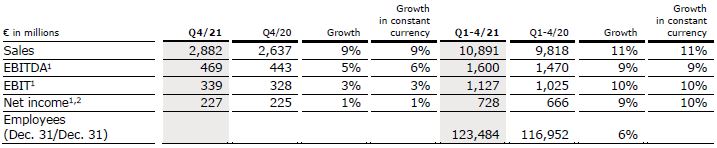
- Sales growth at Helios Germany driven by increasing admissions and acquisitions
- Helios Spain with strong organic sales growth; EBIT growth influenced by exceptionally high prior-year base
- Separate reporting of Fertility Services starting Q1/22
Sales increased by 9% (9% in constant currency) to €2,882 million (Q4/20: €2,637 million). Organic growth was 5%. Acquisitions contributed 4% to sales growth. In FY/21, sales increased by 11% (11% in constant currency) to €10,891 million (FY/20: €9,818 million). Organic growth was 7%. Acquisitions contributed 4% to sales growth.
Sales of Helios Germany increased by 7% (organic growth: 4%) to €1,745 million (Q4/20: €1,637 million) primarily driven by increasing admissions. Acquisitions contributed 3% to sales growth. In FY/21, sales of Helios Germany increased by 6% (organic growth: 2%) to €6,733 million (FY/20: €6,340 million). Acquisitions contributed 4% to sales growth.
Sales of Helios Spain increased by 9% (9% in constant currency) to €1,084 million (Q4/20: €999 million). Organic growth of 9% was driven by the continuous high level of treatment activity and a consistently high level of demand for the occupational risk prevention services as well as good contributions from Latin America. In FY/21, sales of Helios Spain increased by 16% (17% in constant currency) to €4,021 million (FY/20: €3,475 million). Organic growth was 15%. Acquisitions contributed 2% to sales growth.
1 Before special items
2 Net income attributable to shareholders of Fresenius SE & Co. KGaA
For a detailed overview of special items please see the reconciliation tables on pages 21-25 in the PDF.
EBIT1 of Fresenius Helios increased by 3% (3% in constant currency) to €339 million (Q4/20: €328 million) with a margin1 of 11.8% (Q4/20: 12.4%). In FY/21, EBIT1 of Fresenius Helios increased by 10% (10% in constant currency) to €1,127 million (FY/20: €1,025 million) with a margin1 of 10.3% (FY/20: 10.4%).
EBIT1 of Helios Germany increased by 9% to €171 million (Q4/20: €157 million) with a margin1 of 9.8% (Q4/20: 9.6%) driven by the positive business development as well as the compensation for COVID-19 related revenue shortfalls. In FY/21, EBIT1 of Helios Germany increased by 2% to €613 million (FY/20: €602 million) with a margin1 of 9.1% (FY/20: 9.5%).
EBIT1 of Helios Spain increased by 2% (3% in constant currency) to €162 million (Q4/20: €159 million) with a margin1 of 14.9% (Q4/20: 15.9%). EBIT growth was influenced by the exceptionally high prior-year base. In addition, higher costs for personnel, personal protective equipment and selected medical products, among others, had a negative impact.
In FY/21, EBIT1 of Helios Spain increased by 22% (24% in constant currency) to €514 million (FY/20: €420 million) with a margin1 of 12.8% (FY/20: 12.1%).
Net income1,2 increased by 1% to €227 million (Q4/20: €225 million). In FY/21, net income1,2 increased by 9% to €728 million (FY/20: €666 million).
Operating cash flow increased to €609 million (Q4/20: €434 million) with a margin of 21.1% (Q4/20: 16.5%) driven by the positive business development as well as stringent working capital management. In FY/21, operating cash flow increased to €1,204 million (FY/20: €1,149 million) with a margin of 11.1% (FY/20: 11.7%).
For FY/22, Fresenius Helios expects organic sales3 growth in a low- to mid-single-digit percentage range and constant currency EBIT4 growth in a mid-single-digit percentage range. Both sales and EBIT outlook include expected COVID-19 effects.
The Eugin Group contributed €133 million to sales and €19 million EBIT in 2021, with first-time consolidation effective April 1, 2021. Starting Q1/22, sales and EBIT of the Eugin Group will be reported under “Fertility Services” on a quarterly basis.
1 Before special items
2 Net income attributable to shareholders of Fresenius SE & Co. KGaA
3 FY/21 base: €10,891 million
4 FY/21 base: €1,127 million, FY/22 before special items
For a detailed overview of special items please see the reconciliation tables on pages 21-25 in the PDF.
Fresenius Vamed
Fresenius Vamed manages projects and provides services for hospitals and other health care facilities worldwide and is a leading post-acute care provider in Central Europe. The portfolio ranges along the entire value chain: from project development, planning, and turnkey construction, via maintenance and technical management to total operational management.
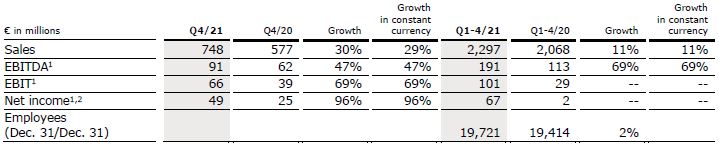
- Strong finish to the year with excellent organic sales and EBIT growth
- Project business recovering - back to the typical phasing with a strong Q4
- Rehabilitation business developing steadily despite continuous COVID-19 impact; technical service business remains robust
Sales increased by 30% (29% in constant currency) to €748 million (Q4/20: €577 million). Organic growth was 29%. In FY/21, sales increased by 11% (11% in constant currency) to €2,297 million (FY/20: €2,068 million). Organic growth was 11%.
Sales in the service business increased by 12% to €415 million (Q4/20: €372 million). Sales in the project business increased by 62% to €333 million (Q4/20: €205 million), driven by the good operating performance across all regions. In FY/21, sales in the service business increased by 10% to €1,580 million (FY/20: €1,435 million). Sales in the project business increased by 13% to €717 million (FY/20: €633 million).
1 Before special items
2 Net income attributable to shareholders of VAMED AG
For a detailed overview of special items please see the reconciliation tables on pages 21-25 in the PDF.
EBIT1 increased by 69% (69% in constant currency) to €66 million (Q4/20: €39 million) with a margin1 of 8.8% (Q4/20: 6.8%). This significant recovery is due to the good business performance in all regions. In FY/21, EBIT1 more than tripled (248% in constant currency) to €101 million (FY/20: €29 million) with a margin1 of 4.4% (FY/20: 1.4%).
Net income1,2 increased to €49 million (Q4/20: €25 million). In FY/21, net income1,2 increased to €67 million (FY/20: €2 million).
Order intake was €319 million in Q4/21 (Q4/20: €648 million) and €1,290 million in FY/21 (FY/20: €1,010 million). As of December 31, 2021, order backlog was at €3,473 million (December 31, 2020: €3,055 million).
Operating cash flow increased to €128 million (Q4/20: €74 million) with a margin of 17.1% (Q4/20: 12.8%) mainly due to an improved working capital development. In FY/21, operating cash flow increased to €151 million (FY/20: €78 million) with a margin of 6.6% (FY/20: 3.8%).
For FY/22, Fresenius Vamed expects organic sales3 growth in a high-single to low-double-digit percentage range and constant currency EBIT4 to return to absolute pre-COVID-19 levels (FY/19: €134 million). Both sales and EBIT outlook include expected negative COVID-19 effects.
1 Before special items
2 Net income attributable to shareholders of VAMED AG
3 FY/21 base: €2,297 million
4 FY/21 base: €101 million; FY/22 before special items
For a detailed overview of special items please see the reconciliation tables on pages 21-25 in the PDF.
Press Conference
As part of the publication of the results for FY 2021, a press conference will be held on February 22, 2022 at 10 a.m. CET. You are cordially invited to follow the press conference in a live broadcast over the Internet at https://www.fresenius.com/media-calendar. Following the press conference, a replay will be available on our website.
For additional information on the performance indicators used please refer to our website https://www.fresenius.com/alternative-performance-measures.
This release contains forward-looking statements that are subject to various risks and uncertainties. Future results could differ materially from those described in these forward-looking statements due to certain factors, e.g. changes in business, economic and competitive conditions, regulatory reforms, results of clinical trials, foreign exchange rate fluctuations, uncertainties in litigation or investigative proceedings, and the availability of financing. Fresenius does not undertake any responsibility to update the forward-looking statements in this release.
- Higher than anticipated COVID-19-related excess mortality, but declining throughout the quarter
- Earnings development affected by ongoing significantly elevated labor costs compounded by effects from Omicron in Health Care Services and by increased material and logistics costs in Health Care Products
- Earnings development in EMEA additionally impacted by the war in Ukraine
- Financial targets for FY 2022 confirmed
Rice Powell, Chief Executive Officer of Fresenius Medical Care, said: “When we see what is happening in Ukraine, it is again above all the human tragedy that leaves us deeply saddened. I am incredibly thankful and proud of all who continue to work tirelessly to ensure patient care and the holding up of our local operations under these outstandingly difficult circumstances. Although it is difficult to talk about numbers with these images in mind, I have to say that in addition, Omicron has affected the quarter heavily. This resulted in high excess mortality among our patients and significantly elevated labor costs in the U.S. to manage isolation clinics and shifts. We were able to compensate this and delivered the quarter in line with our expectations. Based on a strong decline in excess mortality in February and March, we confirm our financial targets for 2022.”
Higher than expected COVID-19-related excess mortality at the beginning of the year
COVID-19-related excess mortality among Fresenius Medical Care’s patients amounted to approximately 2,310 in the first quarter of 2022 (Q1 2021: ~3,200; Q2 2021: ~1,900;
Q3 2021: ~2,900; Q4 2021: ~2,0003). It significantly declined in February and March in line with infection rates, but on a quarterly basis still exceeded the originally anticipated level. This resulted in an increased need for isolation clinics and shifts and limited the Company’s ability to mitigate the impacts from labor shortage and wage inflation in the U.S. market.
COVID-19-related excess mortality accumulated to approximately 9,000 patients over the past twelve months and to approximately 22,600 since the start of the pandemic.
The overall estimated adverse effect of accumulated COVID-19-related excess mortality on organic growth in the Health Care Services business amounted to around 290 basis points in the first quarter.
1 2021: costs related to the FME25 program; 2022: costs related to the FME25 program and impacts related to the war in Ukraine
2 Net income attributable to shareholders of Fresenius Medical Care AG & Co. KGaA
3 Historical excess mortality updated for late entries
War in Ukraine impacting business development
The war in Ukraine is affecting Fresenius Medical Cares' dialysis operations and patient care in the country itself, but also caused higher bad debt expenses in Russia and Ukraine. The direct adverse effect of the war in Ukraine amounted to EUR 22 million at operating income level in the first quarter and is treated as a special item. Fresenius Medical Care will continue to monitor closely the potential effects of the war as well as the general impact of the challenging inflationary macroeconomic environment.
First quarter earnings development in line with expectations
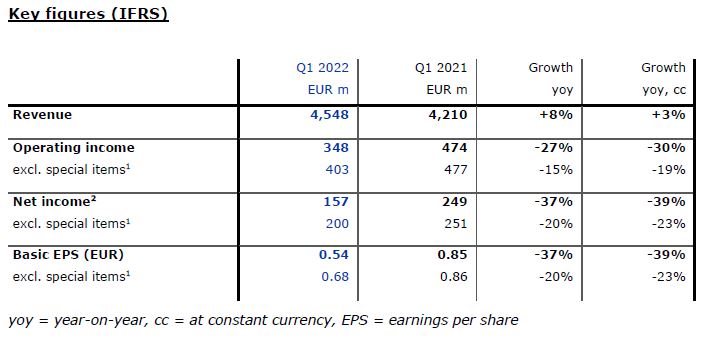
Revenue increased by 8% to EUR 4,548 million (+3% at constant currency, +2% organic).
Health Care Services revenue increased by 8% to EUR 3,607 million (+3% at constant currency, +1% organic). At constant currency, this was mainly driven by organic growth, which was achieved despite the adverse impact of COVID-19, the partial reversal of an accrual related to a revenue recognition adjustment for accounts receivable in legal dispute and contributions from acquisitions.
Health Care Products revenue increased by 6% to EUR 941 million (+3% at constant currency, +3% organic). Constant currency growth was mainly driven by higher sales of in-center disposables and renal pharmaceuticals. This was partially offset by lower sales of machines for chronic treatment.
Operating income decreased by 27% to EUR 348 million (-30% at constant currency), resulting in a margin of 7.6% (Q1 2021: 11.3%). Operating income excluding special items, i.e. costs incurred for FME25 and the impacts related to the war in Ukraine, declined by 15% to EUR 403 million (-19% at constant currency), resulting in a margin of 8.9% (Q1 2021: 11.3%). At constant currency, the decline was mainly due to higher labor costs, adverse COVID-19-related effects, as well as inflationary and supply chain cost increases. These effects were only partially mitigated by the partial reversal of an accrual related to a revenue recognition adjustment for accounts receivable in legal dispute.
Net income2 decreased by 37% to EUR 157 million (-39% at constant currency). Excluding special items, net income declined by 20% to EUR 200 million (-23% at constant currency), mainly due to the mentioned negative effects on operating income.
Basic earnings per share (EPS) decreased by 37% to EUR 0.54 (-39% at constant currency). EPS excluding special items declined by 20% to EUR 0.68
(-23% at constant currency).
Cash flow development
In the first quarter, Fresenius Medical Care generated EUR 159 million of operating cash flow (Q1 2021: EUR 208 million), resulting in a margin of 3.5% (Q1 2021: 4.9%). The decrease was mainly due to continued recoupment of the U.S. government’s payments received in 2020 under the CARES Act and a decrease in net income, partially offset by a favorable impact from trade accounts and other receivables.
Free cash flow4 amounted to EUR -1 million (Q1 2021: EUR 29 million) in the first quarter, resulting in a margin of 0.0% (Q1 2021: 0.7%).
Regional developments
In North America, revenue increased by 9% to EUR 3,171 million (+2% at constant currency, +0% organic). At constant currency, this was mainly driven by organic growth in the Health Care Product business and the reversal of an accrual related to a revenue recognition adjustment for accounts receivable in legal dispute. This was partially offset by the adverse COVID-19 impact on the Health Care Services business.
Operating income in North America decreased by 24% to EUR 304 million (-29% at constant currency), resulting in a margin of 9.6% (Q1 2021: 13.7%). At constant currency, the decline in operating income was mainly due to higher labor costs, the adverse impact of COVID-19, inflationary and supply chain cost increases as well as costs related to FME25. This was only partially offset by the partial reversal of an accrual related to a revenue recognition adjustment for accounts receivable in legal dispute.
Revenue in the EMEA region increased by 1% to EUR 674 million in the first quarter (+3% at constant currency, +2% organic). At constant currency, this was mainly due to organic growth in the Health Care Services business, which was achieved despite the negative impact of COVID-19.
Operating income in EMEA decreased by 23% to EUR 61 million (-19% at constant currency), resulting in a margin of 9.1% (Q1 2021: 11.9%). The decline was mainly due to the impact related to the war in Ukraine.
4 Net cash provided by / used in operating activities, after capital expenditures, before acquisitions, investments, and dividends
In Asia-Pacific, revenue increased by 8% to EUR 507 million (+4% at constant currency, +4% organic). At constant currency, this was mainly driven by organic growth in the Health Care Products business.
Operating income increased by 16% to EUR 99 million (+14% at constant currency), resulting in a margin of 19.5% (Q1 2021: 18.1%). At constant currency, this was mainly due to a gain from the sale of clinics, favorable currency transaction effects and growth in the Health Care Products business.
Latin America revenue increased by 15% to EUR 183 million (+15% at constant currency, +16% organic), mainly driven by strong organic growth in both the Health Care Services and Health Care Products business.
Operating income improved by 68% to EUR 11 million (+51% at constant currency), resulting in a margin of 6.1% (Q1 2021: 4.2%). This was mainly due to a favorable currency transaction effect, which was partially offset by inflationary cost increases.
Patients, clinics and employees
As of March 31, 2022, Fresenius Medical Care treated 343,493 patients in 4,153 dialysis clinics worldwide and had 122,635 employees (full-time equivalents) globally, compared to 124,995 employees as of March 31, 2021.
Outlook
Based on the results for the first quarter, which were in line with the Company’s expectations, Fresenius Medical Care confirms its financial targets for 2022. The earnings improvement will be driven by expected business growth, PPE cost reduction and FME25 savings. The Company expects revenue and net income to grow at low to mid-single digit percentage rates in FY 2022.5
5 These targets are based on the 2021 results excluding the costs related to FME25 of EUR 49 million (for Net Income). They are based on the assumptions outlined in the Press Release on the Q4 and FY 2021 results (Feb. 22, 2022), in constant currency and exclude special items. Special items include further costs related to FME25, the impacts related to the war in Ukraine, and other effects that are unusual in nature and have not been foreseeable or not foreseeable in size or impact at the time of giving guidance.
Conference call
Fresenius Medical Care will host a conference call to discuss the results of the first quarter 2022 on May 4, 2022 at 3:30 p.m. CEST / 9:30 a.m. EDT. Details will be available on the Fresenius Medical Care website in the “Investors” section. A replay will be available shortly after the call.
Please refer to our statement of earnings included at the end of this news and to the attachments as separate PDF files for a complete overview of the results of the first quarter 2022. Our 6-K disclosure provides more details.
Disclaimer:
This release contains forward-looking statements that are subject to various risks and uncertainties. Actual results could differ materially from those described in these forward-looking statements due to various factors, including, but not limited to, changes in business, economic and competitive conditions, legal changes, regulatory approvals, impacts related to COVID-19, results of clinical studies, foreign exchange rate fluctuations, uncertainties in litigation or investigative proceedings, and the availability of financing. These and other risks and uncertainties are detailed in Fresenius Medical Care AG & Co. KGaA's reports filed with the U.S. Securities and Exchange Commission. Fresenius Medical Care AG & Co. KGaA does not undertake any responsibility to update the forward-looking statements in this release.
Implementation of measures as presented herein may be subject to information and consultation procedures with works councils and other employee representative bodies, as per local laws and practice. Consultation procedures may lead to changes on proposed measures.
Fresenius Kabi closed the acquisition announced in March of Ivenix, Inc. (“Ivenix”), a specialized infusion therapy company. Ivenix adds a next-generation infusion therapy platform for the significant U.S. market to Fresenius Kabi’s portfolio and provides the company with key capabilities in hospital connectivity. The combination of Ivenix’s leading hardware and software products with Fresenius Kabi’s offering in intravenous fluids and infusion devices will create a comprehensive and leading portfolio of premium products, forming a strong basis to enable sustainable growth in the high-value MedTech space. The purchase price is a combination of US$240 million upfront payment and milestone payments, strictly linked to the achievement of commercial and operating targets.
-
Sara Hennicken Download Image (JPG 261 KB) -
![]()
Rachel Empey Download Image (JPG 2.01 MB)
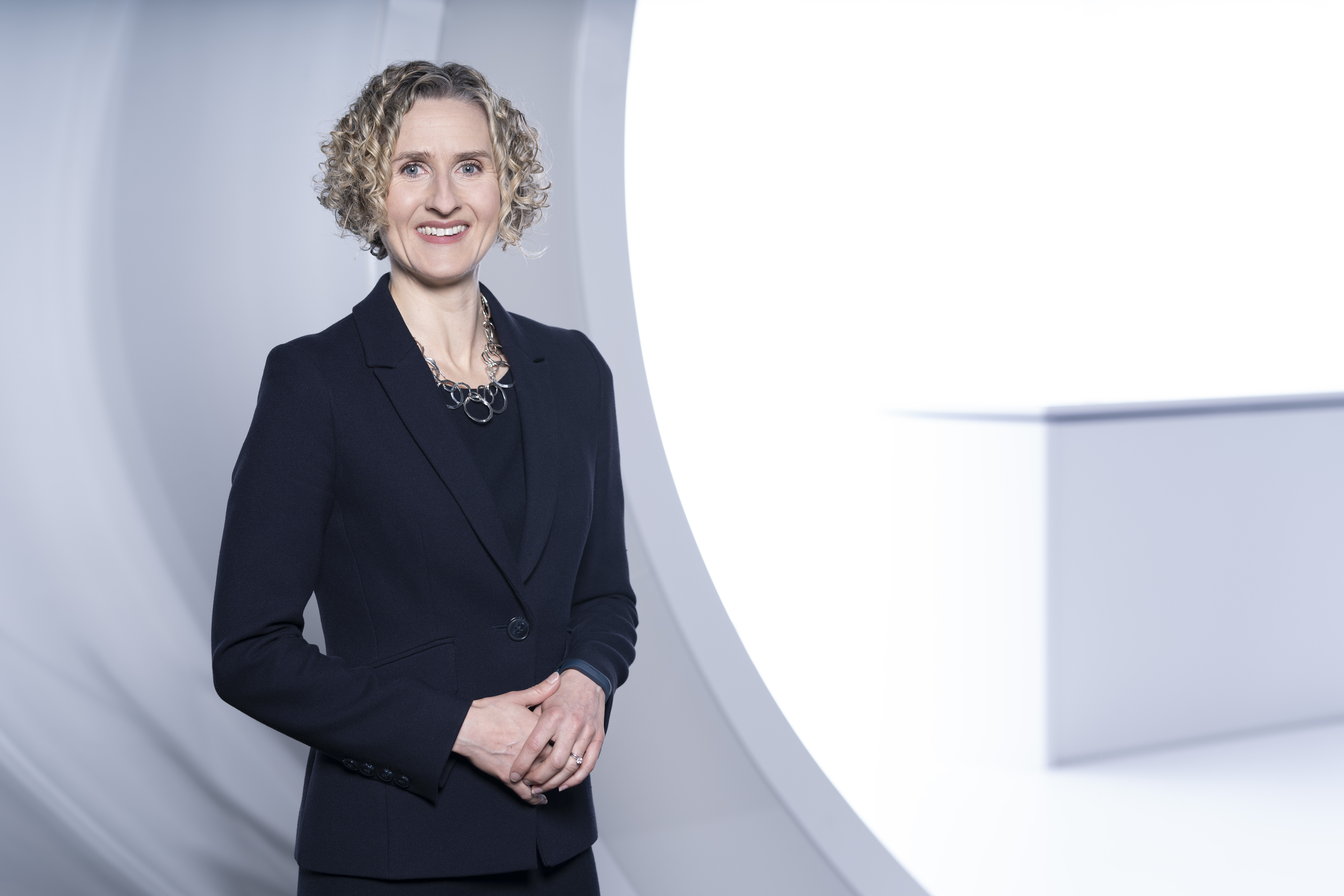
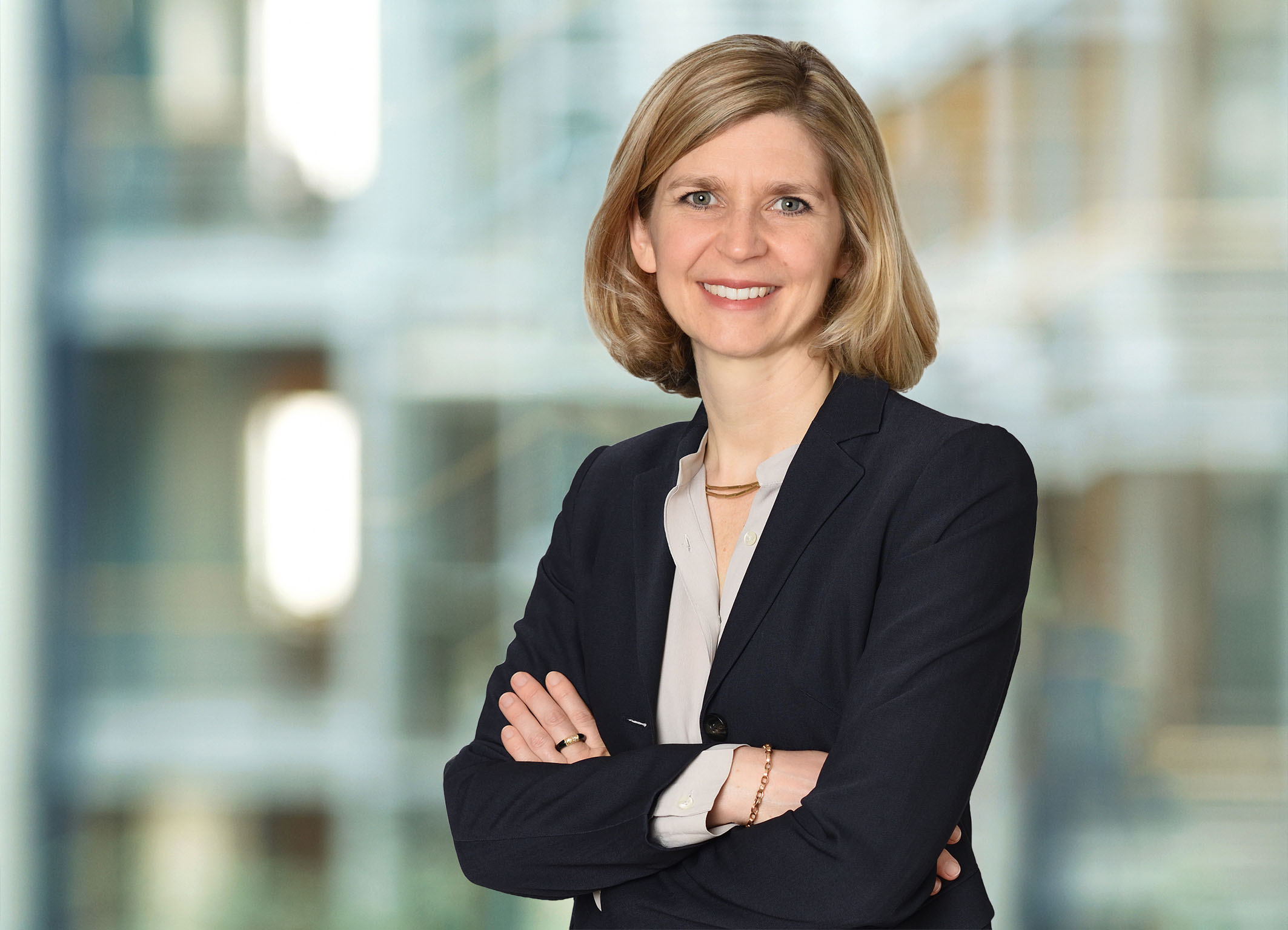
The Fresenius Management SE Supervisory Board has unanimously appointed Sara Hennicken (41), currently Senior Vice President Global Treasury & Corporate Finance at Fresenius, to become the company’s new Chief Financial Officer as of September 1, 2022. She will succeed Rachel Empey (45), who joined the Management Board of Fresenius as CFO on August 1, 2017 and will leave the company at her own request at the end of August.
Sara Hennicken joined Fresenius in 2019. Previously, she spent 14 years in investment banking, including nine years at Deutsche Bank, lastly as Managing Director and Senior Client Executive in Corporate Finance Coverage before moving to Fresenius. Between 2005 and 2010 she worked for Citigroup in Frankfurt and London. Sara Hennicken studied economics in Germany and in the United States.
Rachel Empey said: “The good and trusting collaboration with my colleagues in the Management Board, and with my team has been personally fulfilling. Fresenius is a great company with outstanding prospects; together we have moved the company forward. The last years have been very intense, and challenging, yet also a great and very enriching experience. So, leaving was not an easy decision for me, but now I am looking forward to the next chapter of my life. I personally brought Sara Hennicken on board in 2019, and I know my duties and tasks are in good hands with her. I’m very happy for Sara and wish her a lot of luck, success and happiness in her new position, with the additional responsibility she will be taking on.”
Wolfgang Kirsch, Chairman of the Supervisory Board of Fresenius, said: “Rachel Empey further developed Fresenius’ finance department and made it ready for the future. During her time here – part of which was heavily impacted by the pandemic – she also set in motion important changes and improvements in her other areas of responsibility, such as IT. On behalf of the entire Supervisory Board, I want to thank her for all her contributions and hard work. In Sara Hennicken, we have an innovative, young and yet highly experienced financial expert from within the company who will assure continuity in this area but also bring in new ideas. She is ideally qualified for this position. Together with our CEO Stephan Sturm and her other Management Board colleagues, she will contribute to the future success of our healthcare group.”
Stephan Sturm, CEO of Fresenius, said: “I’m sorry that Rachel is leaving our company. Over these last years, we always worked well together, very collegially and with great trust, and I especially valued her as a sparring partner during our discussions about the company’s growth strategy. But, of course, I respect her decision, and wish Rachel all the very best for this new chapter of her life. At the same time, I am very much looking forward to working with Sara, who will enrich our management team with her personality, experience and ideas. We will be working together even more closely than before to create the optimal foundations for financing our healthy growth, and the sustainable success of our company.”
Sara Hennicken said: “I am very happy about the confidence and trust being placed in me, and greatly looking forward to the new tasks ahead. As a globally active healthcare company, Fresenius makes an important contribution to society with which I can very much identify. Over the past years, I’ve been able to realign my department and modernize our financing structure. The excellent group-wide collaboration with my colleagues has been especially valuable. In my new position I want to build on this, for the benefit of our company.”
This release contains forward-looking statements that are subject to various risks and uncertainties. Future results could differ materially from those described in these forward-looking statements due to certain factors, e.g. changes in business, economic and competitive conditions, regulatory reforms, results of clinical trials, foreign exchange rate fluctuations, uncertainties in litigation or investigative proceedings, the availability of financing and unforeseen impacts of international conflicts.
Fresenius does not undertake any responsibility to update the forward-looking statements in this release.
-
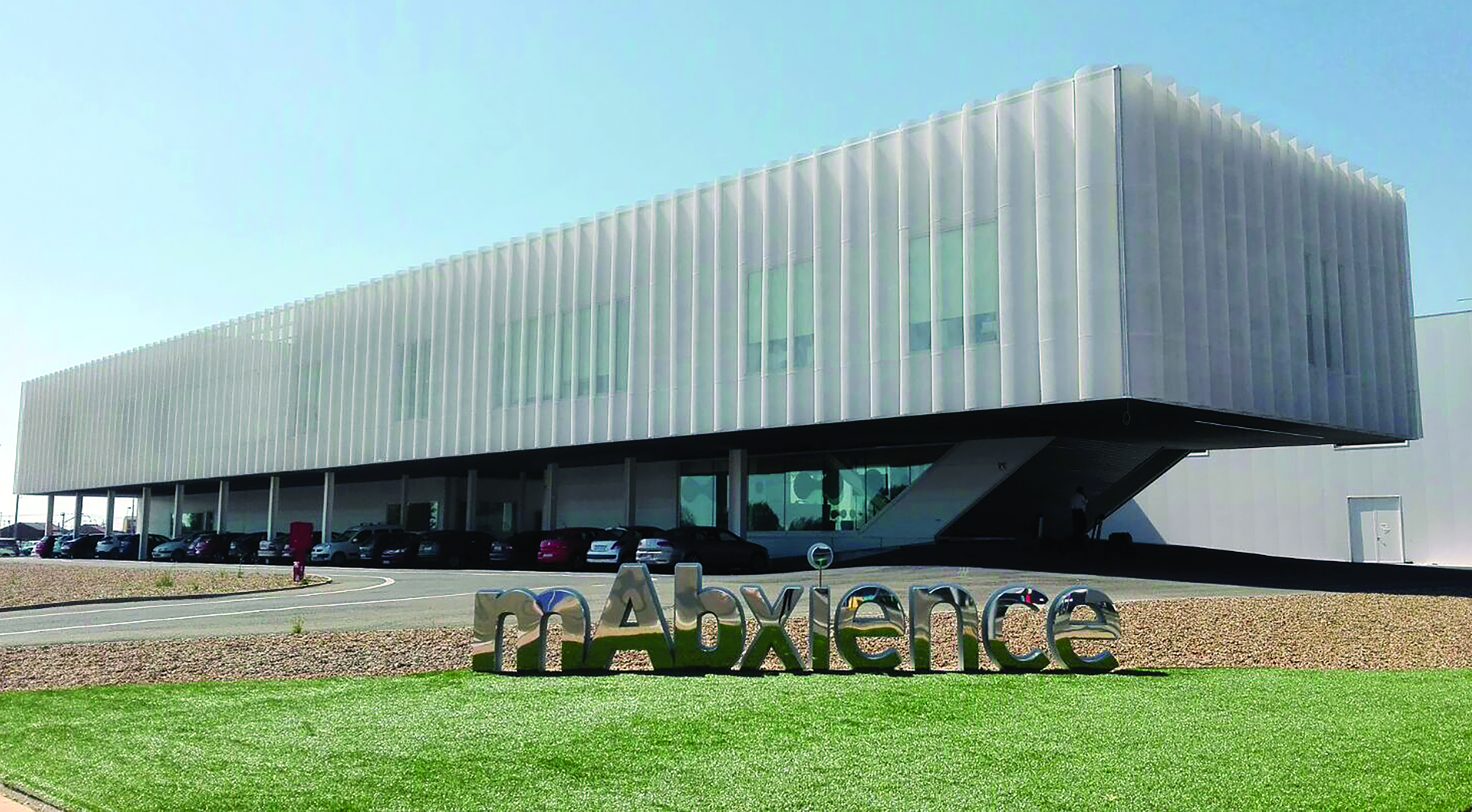
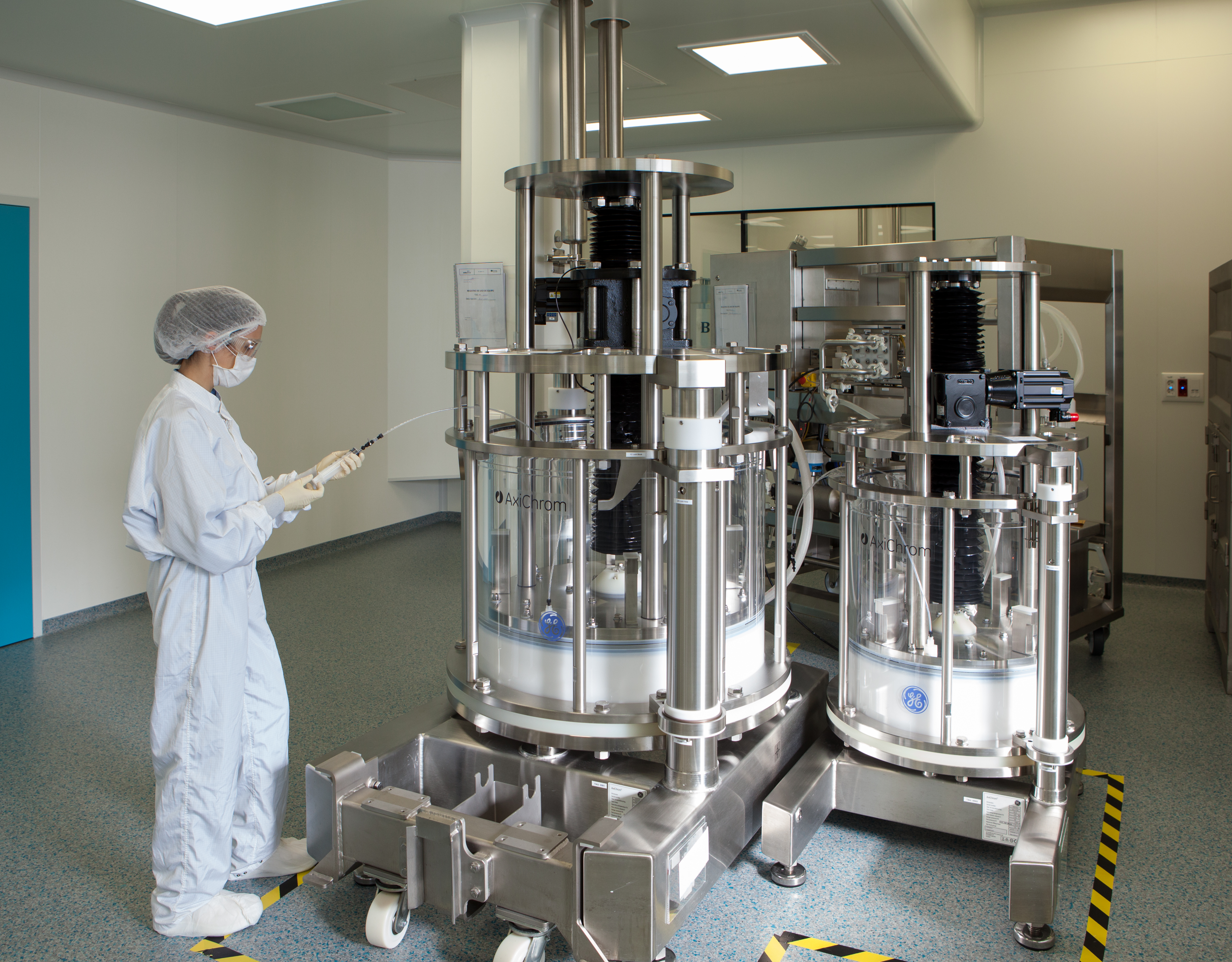
mAbxience is a leading international biopharmaceutical company, focused on the rapidly developing biosimilars market. Download Image (JPG 5.39 MB) -
![]()
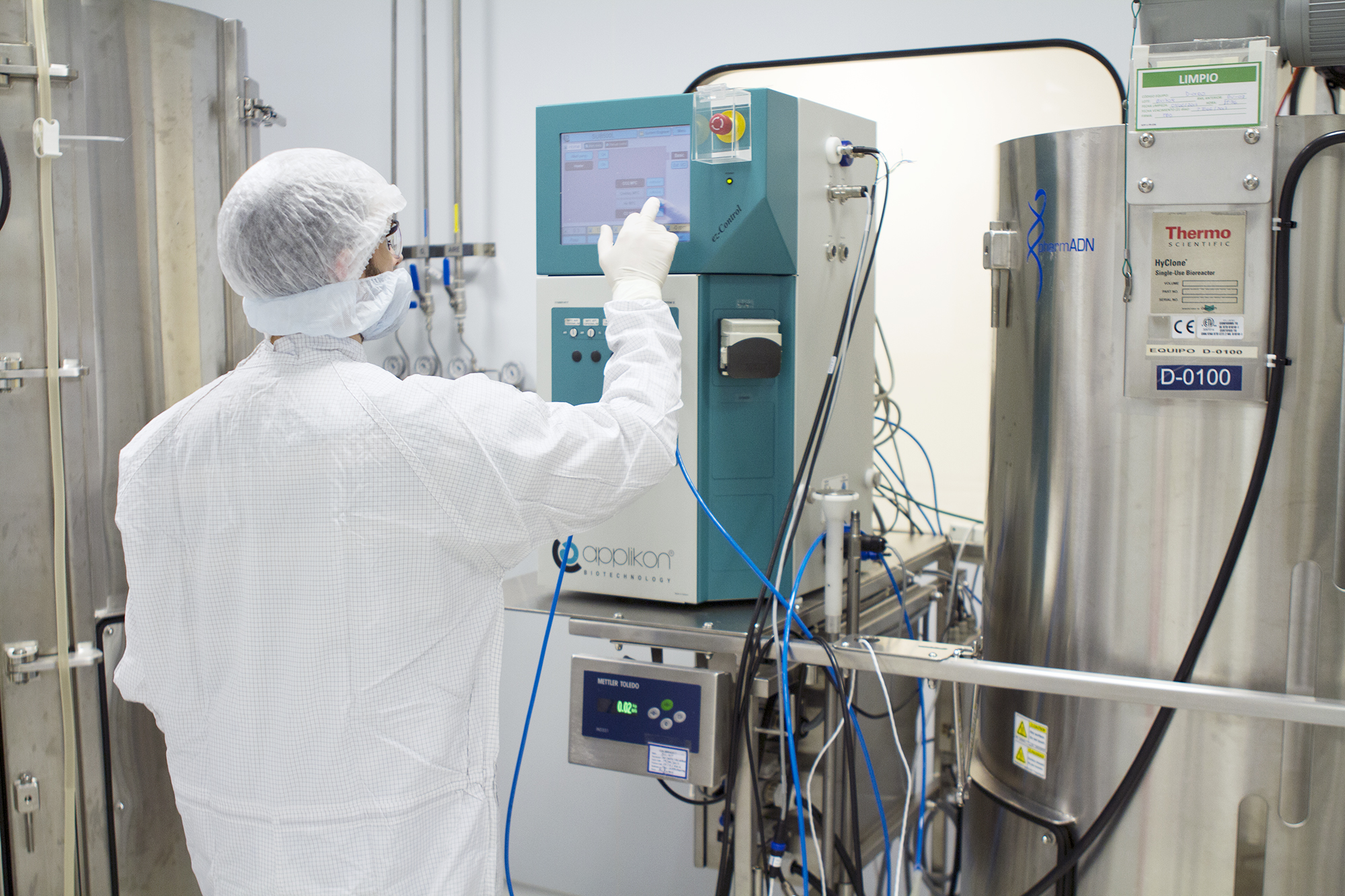
The company operates internal R&D laboratories and state-of-the-art manufacturing facilities in Spain and Argentina. Download Image (JPG 1.63 MB) -
![]()
mAbxience has two commercialized biosimilar products (Rituximab and Bevacizumab). Download Image (JPG 8.78 MB) -
![]()
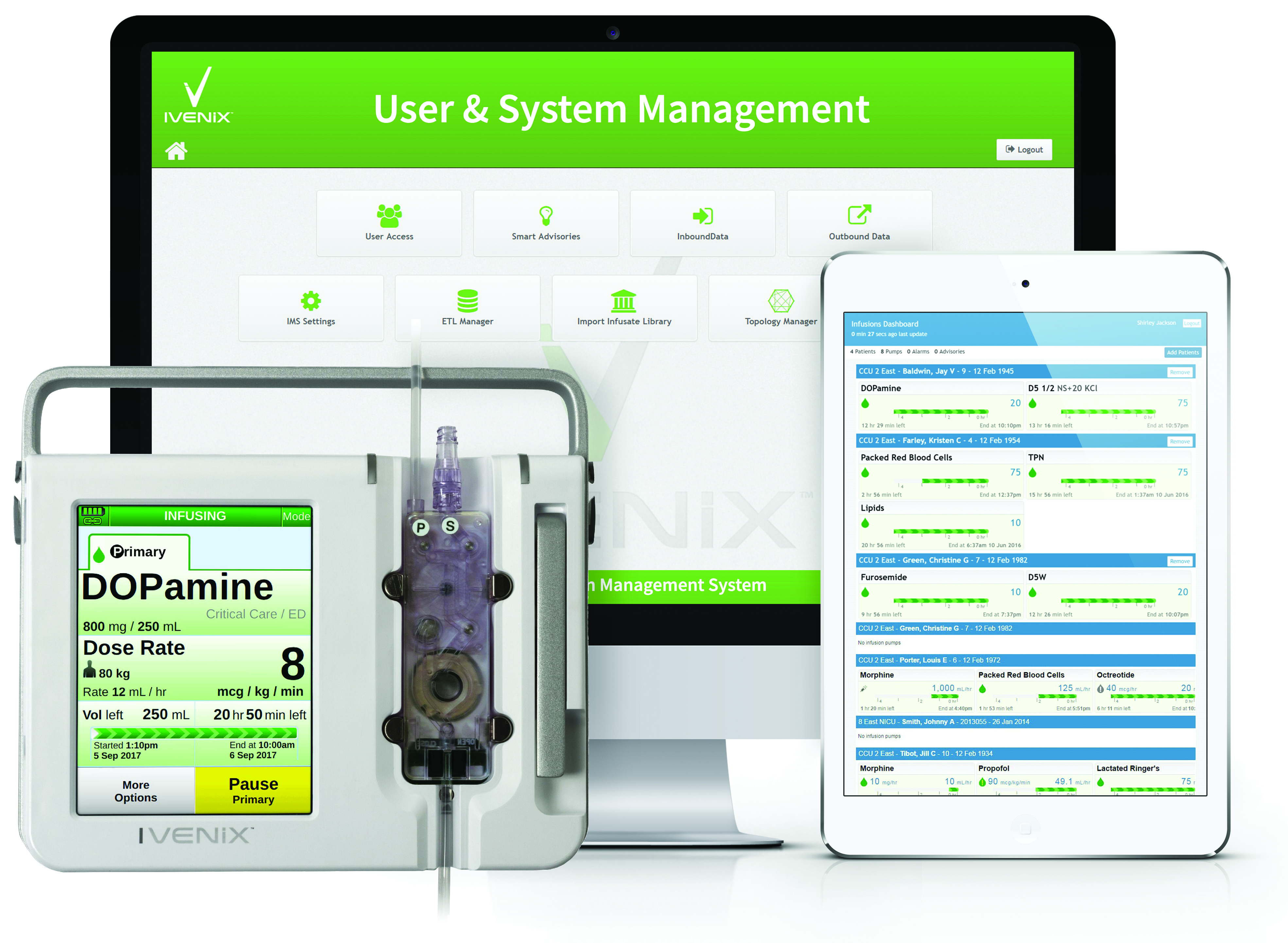
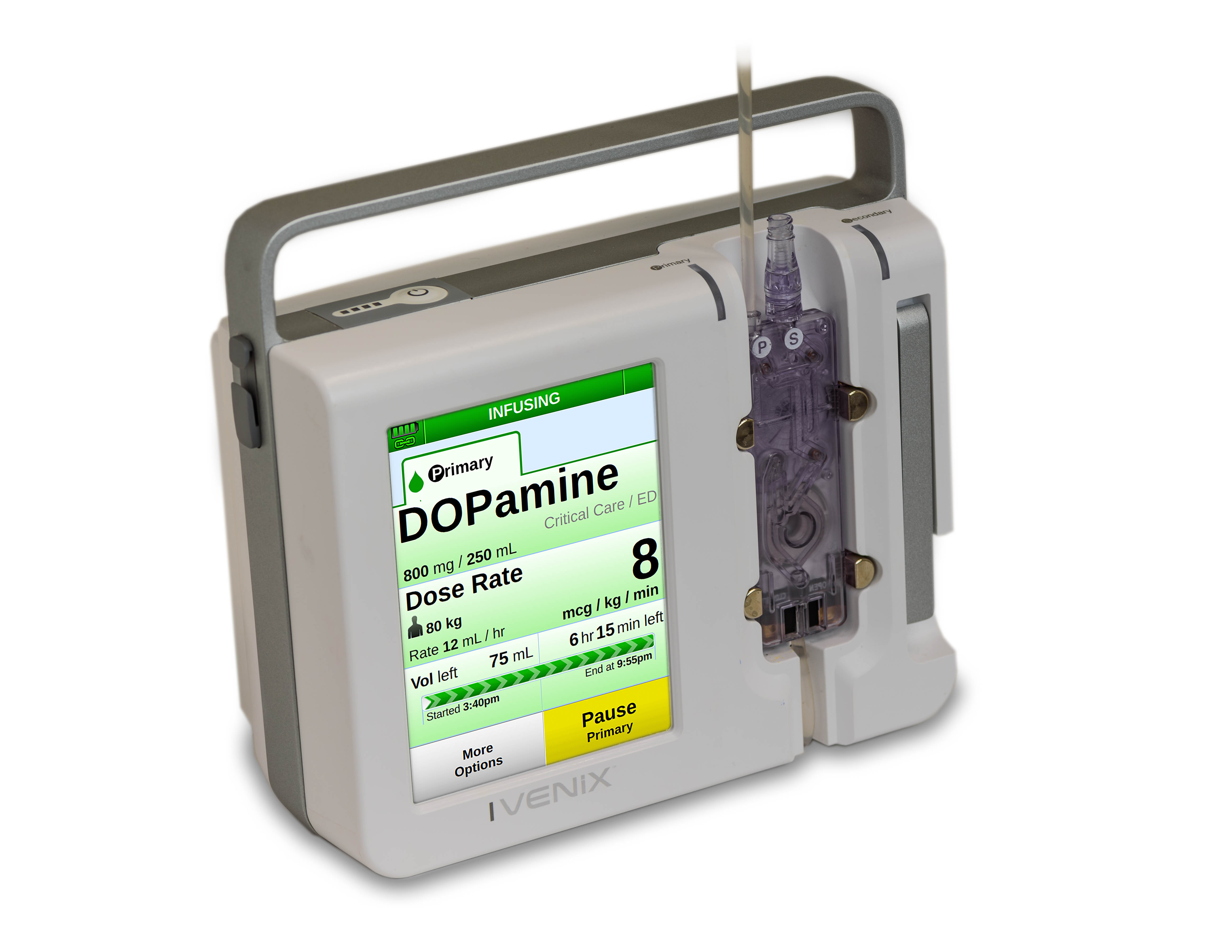
The Ivenix Infusion System’s innovative design and architecture sets a new standard in infusion safety, simplicity and interoperability. Download Image (JPG 7.76 MB) -
![]()
Ivenix has developed the technologically most advanced infusion system including a large volume pump (“LVP”). Download Image (JPG 661 KB)
- First steps in executing Fresenius Kabi’s “Vision 2026” growth strategy
- Acquisition of majority stake in mAbxience significantly enhances Fresenius Kabi’s presence in high-growth biopharmaceuticals market
- Ivenix adds next-generation infusion therapy platform to transform product offering
- Combined, these acquisitions will meaningfully increase the company’s scale over the next years and accelerate the Group’s growth
- Acquisitions combined are expected to be broadly neutral to Group cash earnings per share1 in 2022 and accretive by 2023
- Transactions expected to close by mid-2022
1 earnings before amortization and integration costs
Stephan Sturm, CEO of Fresenius, said: “Through these acquisitions we are further strengthening and leveraging Fresenius Kabi's position, as both perfectly complement the company's growth businesses in biopharmaceuticals and medical technology. We will continue allocating capital in a targeted manner to rigorously pursue the recently presented growth strategy of our health care Group which has defined Fresenius Kabi as top priority. In this way, we are creating even better conditions for providing ever better medicine to ever more people. At the same time, we create meaningful value for our shareholders.”
Michael Sen, CEO of Fresenius Kabi, said: “Expanding our MedTech business and broadening our presence in Biopharmaceuticals are key to our Vision 2026 program. Today’s announcements fit squarely into our plans. With the acquisition of Ivenix, we add the next generation infusion therapy platform; we complement and strengthen our existing infusion therapy offering and we create a superior portfolio for the US market. With mAbxience, we are making a step-change in our biopharmaceuticals profile. This is a highly complementary transaction in terms of biologics pipeline, manufacturing capabilities and the business model. mAbxience is two businesses in one company. mAbxience and Ivenix as portfolio advancements are good for patients, good for healthcare providers and our company.”
Acquisition of a majority stake in mAbxience significantly enhances Fresenius Kabi’s presence in high-growth biopharmaceuticals market
- Delivers on core growth vector “Broaden Biopharma” of “Vision 2026”
- Provides access to expertise and capabilities in one of the fastest-growing areas of healthcare, positioning Fresenius Kabi for accelerated medium- and long-term growth
- Follows a convincing industrial logic focused on a global, end-to-end vertically integrated biopharmaceuticals footprint
- Creates a strong partnership with excellent growth potential in attractive biosimilars market
- Comprises high-growth biologics Contract Development and Manufacturing (“CDMO”) market with three state-of-the-art biologics manufacturing facilities in Spain and Argentina
- Provides access to a highly cost competitive biologics manufacturing capacity with significant cost synergies expected for Fresenius Kabi’s biosimilars portfolio
Fresenius Kabi announced today that it has agreed to acquire a stake of 55% of mAbxience Holding S.L. (”mAbxience”). The purchase price will be a combination of €495 million upfront payment and milestone payments, strictly tied to the achievement of commercial and development targets. The contractual provisions also include a put / call option scheme regarding the current owners’ remaining shares in mAbxience (45%).
mAbxience is a leading international biopharmaceutical company, focused on the rapidly developing biosimilars market. The company was founded in 2010 by Dr. Hugo Sigman and Dr. Silvia Gold as the biotechnology division of Insud Pharma S.L. mAbxience has established itself as a leader in the development and manufacturing of biological drugs, with two commercialized biosimilar products (Rituximab and Bevacizumab) and a mid-single-digit number of molecules across immunology and oncology expected to be launched globally in the years 2024 to 2029. This is supported by internal R&D laboratories and state-of-the-art manufacturing facilities in Spain and Argentina. In addition to highly competitive production costs for the internal programs, the manufacturing platform allows mAbxience to offer third party biological CDMO services, including a recent contract with AstraZeneca to produce the drug substance for its COVID-19 vaccine in Latin America. The company currently employs approximately 600 staff and generated sales of approx. €255 million in 2021.
The acquisition of a majority stake in mAbxience follows Fresenius Kabi’s recently unveiled Vision 2026 strategy, delivering on one of the core growth vectors – to “Broaden Biopharma” – by expanding along the value chain and further enhancing the existing Fresenius Kabi biosimilars pipeline.
Fresenius Kabi expects, through its in-house biosimilars programs and through its investment in mAbxience, to capture an overproportionate share of the underlying rapid growth in the biopharmaceutical market. Fresenius Kabi’s footprint in biopharmaceuticals will be significantly strengthened by broadening its biosimilars portfolio and by gaining access to the distinctive manufacturing capabilities of mAbxience. It will also allow Fresenius Kabi to provide end-to-end integrated biopharmaceutical solutions for customers from its state-of-the-art facilities.
mAbxience operates three state-of-the-art facilities for the production of biologic drug substance. This addresses a critical gap in Fresenius Kabi’s value chain, adding flexible, single-use biologic drug substance capacity that can be leveraged to provide competitive cost of production for the enlarged biosimilars portfolio. This manufacturing capability also offers end-to-end integrated biopharmaceutical solutions for customers and thus establishes a strategic foothold for Fresenius Kabi in the fast-growing biologic CDMO sector, complementing the existing small molecule API and fill & finish operations.
Once completed, the transaction is expected to deliver material operating and cost synergies for Fresenius Kabi, primarily driven by leveraging mAbxience’s manufacturing capabilities for Fresenius Kabi’s existing biosimilars business.
The transaction remains subject to regulatory approvals and other customary closing conditions and is expected to close by mid-2022.
Ivenix strengthens Fresenius Kabi’s MedTech business and accelerates growth
- Delivers on core growth vector “Expand MedTech” of Vision 2026
- Provides next-generation infusion therapy platform for U.S. market
- Complements Fresenius Kabi’s global infusion therapy offering
- Provides Fresenius Kabi with key capabilities in hospital connectivity and creates new options for growth of MedTech business
- Significant scale and growth synergies expected
Fresenius Kabi announced today that it has agreed to acquire Ivenix, Inc. („Ivenix“), a specialized infusion therapy company. The purchase price will be a combination of US$240 million upfront payment and milestone payments, strictly linked to the achievement of commercial and operating targets.
Ivenix is a privately held company based in North Andover, Massachusetts, USA. The company has developed the technologically most advanced infusion system including a large volume pump (“LVP”) with administration sets, infusion management software tools, applications and analytics to inform care and advance efficiency. The Ivenix Infusion System’s innovative design and architecture sets a new standard in infusion safety, simplicity and interoperability. The system is centred around the patient and clinician and is designed to reduce infusion-related errors and drive down the total cost of ownership. After having received the U.S. Food and Drug Administration’s (FDA) approval, the Ivenix Infusion System was successfully launched in late 2021.
Ivenix’ Infusion System provides access to attractive growth potential for Fresenius Kabi in the large and growing infusion therapy market. The combination of Ivenix’ leading hardware and software products with Fresenius Kabi’s offerings in intravenous fluids and infusion devices will create a comprehensive and leading portfolio of premium products, forming a strong basis to enable sustainable growth in the high-value MedTech space.
The transaction is subject to regulatory approvals and other customary closing conditions and is expected to close by mid-2022.
Financing and implications on Group financials
mAbxience is expected to be accretive to Group cash earnings per share (earnings before amortization and integration costs) right after closing. Ivenix is expected to be neutral to Group cash earnings per share in 2025 and accretive from 2026 onwards.
Combined, these acquisitions are expected to be broadly neutral to Group cash earnings per share in 2022 and accretive as of 2023.
The transactions are currently expected to be financed by cash flow and available liquidity.
Conference Call
A telephone conference on the acquisition of a majority stake in mAbxience Holding S.L. and the acquisition of Ivenix, Inc. will be held on March 31, 2022 at 1:30 p.m. CEST (7:30 a.m. EDT). All investors are cordially invited to follow the conference call in a live broadcast over the Internet at www.fresenius.com/investors. Following the call, a replay will be available on our website.
This release contains forward-looking statements that are subject to various risks and uncertainties. Future results could differ materially from those described in these forward-looking statements due to certain factors, e.g. changes in business, economic and competitive conditions, regulatory reforms, results of clinical trials, foreign exchange rate fluctuations, uncertainties in litigation or investigative proceedings, the availability of financing and unforeseen impacts of international conflicts. Fresenius does not undertake any responsibility to update the forward-looking statements in this release.
-
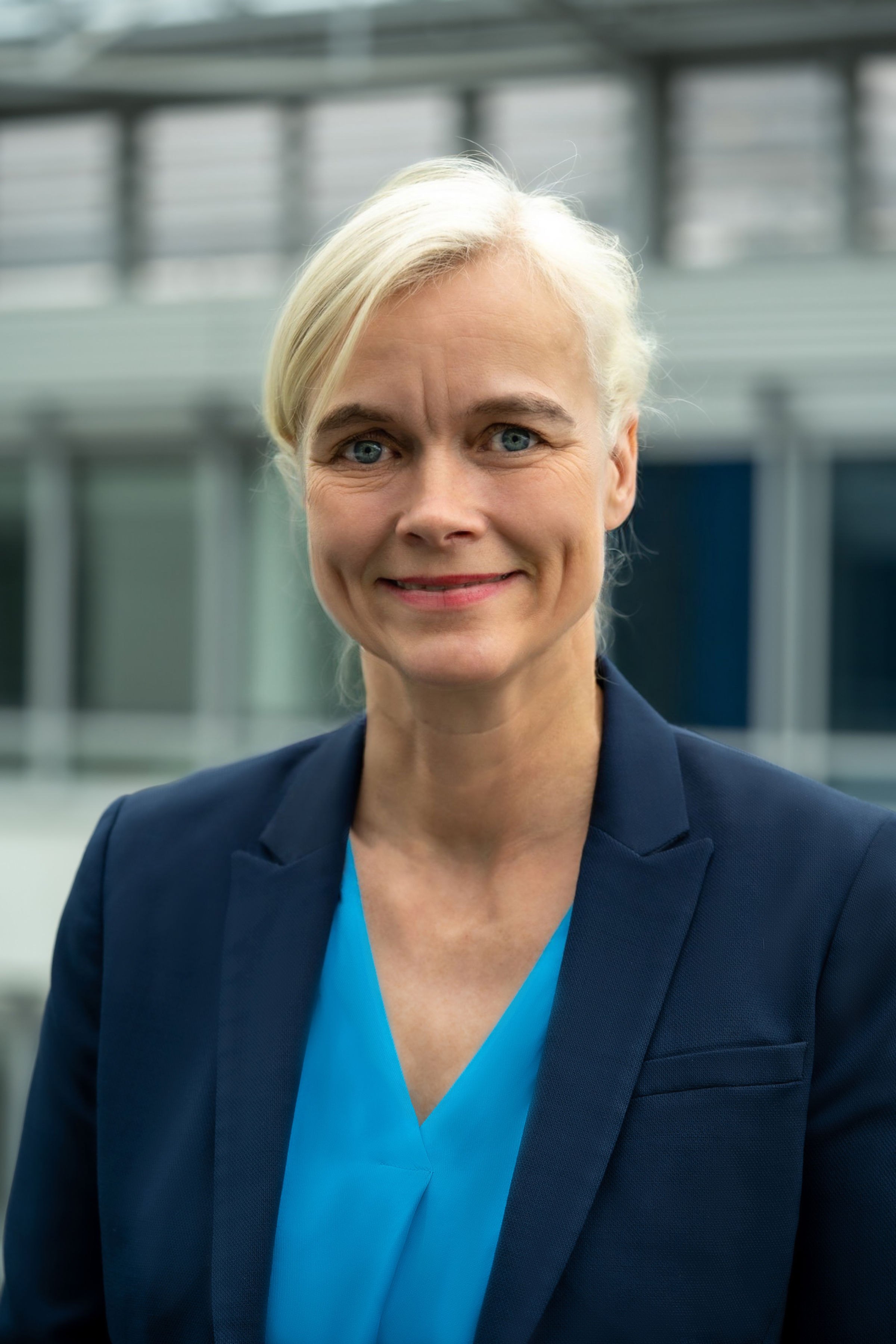
Dr. Carla Kriwet (51) will become the new CEO of Fresenius Medical Care on January 1, 2023. Download Image (JPG 647 KB) -
![]()
Rice Powell Download Image (JPG 2.72 MB)
Dr. Carla Kriwet (51) will become the new CEO of Fresenius Medical Care, the world's leading provider of products and services for individuals with renal diseases, on January 1, 2023. The Supervisory Board of Fresenius Medical Care Management AG unanimously appointed her to succeed Rice Powell (66), who in accordance with the company’s age limit for Management Board members is stepping down when his contract ends on December 31, after 10 years heading the company. Like Rice Powell, Dr. Carla Kriwet will also be a member of the Management Board of Fresenius Management SE. Helen Giza, Chief Financial Officer of Fresenius Medical Care, will enter a new five-year contract, and in addition to her current positions as CFO and CTO will assume the position of Deputy CEO.
Dr. Carla Kriwet was most recently CEO and President of BSH Hausgeräte GmbH, a company with €15.6 billion in sales, 62,000 employees and 40 production plants around the world. From 2013 to 2020 she was with the health technology company Royal Philips N.V. in the United States, since 2017 as a member of the company’s Executive Board. At Philips she headed the Connected Care division, which includes the business areas Patient Care and Monitoring Solutions as well as Healthcare Informatics.
Previously, Dr. Carla Kriwet was a member of the Executive Board of the non-governmental organization Save the Children Germany in Berlin, and Chief Sales & Marketing Officer at the medical technology company Drägerwerk in Lübeck, Germany. Between 2003 and 2010 she held various management positions in the strategy department and in the Healthcare division of Linde AG, lastly as Head of Linde Healthcare Europe. Before that, she spent six years with the Boston Consulting Group, where, among other responsibilities, she headed consulting projects in healthcare. Dr. Carla Kriwet started her career in project management at ABB Daimler-Benz Transportation in India in 1995, after working as a volunteer for an SOS Children’s Village in Burundi and studying business at Switzerland’s University of St. Gallen, where she graduated with a doctorate degree.
Rice Powell joined Fresenius Medical Care in 1997, and as CEO of Fresenius Medical Care North America was appointed to the Management Board of Fresenius Medical Care in 2004. He has been the company’s CEO since January 1, 2013. Under his direction, Fresenius Medical Care significantly extended its global leadership, identifying emerging business areas such as value-based care and home dialysis early and then expanding successfully into them.
Rice Powell said: “After 25 years with this company, and a full decade as CEO, I look back with a lot of gratitude and pride at what we achieved during this time. Our products and services are more important than ever to our patients, and a fundamental part of their lives. As the world’s only provider of the full range of innovative therapies and products for people with renal diseases, we have outstanding prerequisites for our continued success. I want to thank all my colleagues – on the Management Board, the management team, and everyone in all our facilities worldwide – for their untiring efforts and support over the years. I’m very happy to know that our company will be in good hands in the future.”
Stephan Sturm, Chairman of the Fresenius Medical Care Management AG Supervisory Board and CEO of Fresenius, said: “I am very thankful to Rice Powell for his highly dedicated service over many years, and for his important contribution to our success. He played a key role in shaping Fresenius Medical Care, initiated future-looking developments and set in motion the necessary transformation of the company. On behalf of the entire Supervisory Board and the Management Board of Fresenius, I wish Rice all the very best for the next stage of his life, with more time for his family and hobbies. At the same time, I am very much looking forward to working with Dr. Carla Kriwet. I have come to know her as a highly skilled and bold manager with a lot of experience in the healthcare industry, clear ideas and a lot of empathy. People’s health and well-being are very close to her heart, and something she has worked for over the years in different organizations and constellations. I’m certain that working closely with Helen Giza, and together with the entire management team, she will successfully shape the transformation now underway and manage the challenges, not least those created by the pandemic, embrace with enthusiasm the numerous growth opportunities before us, and lead Fresenius Medical Care to continued success.”
Dr. Carla Kriwet said: “I am very much looking forward to taking on this new position and working together with my new colleagues. I fully identify with the vision of making the lives of the patients who have put their trust in us a little more worth living every day. And I’m convinced that bringing ever better medicine to ever more people goes hand in hand with economic success. Early in my professional development, I found my way into the healthcare business and have remained very closely connected to it ever since. Fresenius Medical Care is a globally active, leading and unique company that still has tremendous potential. I want to do my part to leverage this potential for the benefit of patients and employees, and in doing so also add shareholder value.”
This release contains forward-looking statements that are subject to various risks and uncertainties. Actual results could differ materially from those described in these forward-looking statements due to various factors, including, but not limited to, changes in business, economic and competitive conditions, legal changes, regulatory approvals, impacts related to the COVID-19 pandemic results of clinical studies, foreign exchange rate fluctuations, uncertainties in litigation or investigative proceedings, and the availability of financing. These and other risks and uncertainties are detailed in Fresenius Medical Care AG & Co. KGaA's reports filed with the U.S. Securities and Exchange Commission. Fresenius Medical Care AG & Co. KGaA does not undertake any responsibility to update the forward-looking statements in this release.
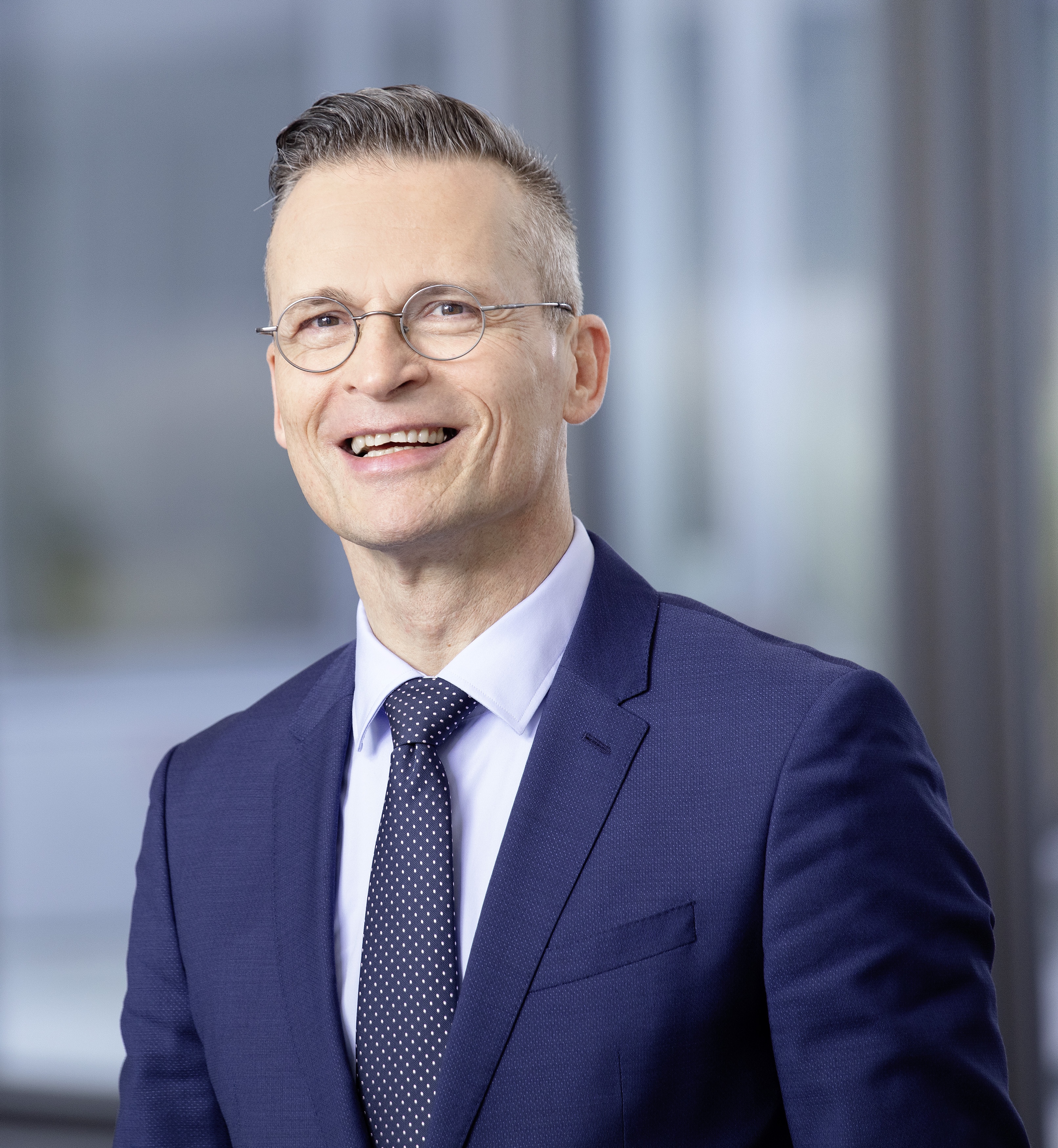
The Supervisory Board of Fresenius SE & Co. KGaA will propose that the next Annual General Meeting on May 13, 2022 elect Dr. Christoph Zindel, 60, to the Supervisory Board. If elected, he will also join the Supervisory Board’s Audit Committee. As announced last year, Klaus-Peter Müller, 77, will leave the Supervisory Board at the end of the Annual General Meeting and turn over the Audit Committee’s chairmanship to Susanne Zeidler, 61. The next regular election of all shareholder representatives is scheduled for the 2025 Annual General Meeting.
Dr. Zindel has been a member of the Siemens Healthineers Managing Board since October 2019. He began his career as a practicing physician in surgery, internal medicine and nuclear medicine, before moving into the healthcare industry in 1998 as a Segment Manager at Siemens Healthcare. There he held various management positions in the magnetic resonance-tomography business division. After three years in the U.S., lastly as head of the Business Unit Hematology and Urinanalysis at Beckman Coulter in Miami, he returned to Siemens Healthineers in 2015 and headed the Business Line Magnetic Resonance. In 2018, Dr. Zindel was appointed President Diagnostic Imaging.
Klaus-Peter Müller has been a Member of the Supervisory Board of Fresenius SE (today Fresenius SE & Co. KGaA) and its Audit Committee since 2008. From 2010 until 2021 he also belonged to the Supervisory Board of Fresenius Management SE. A highly regarded financial expert, Klaus-Peter Müller worked at Commerzbank AG from 1966 to 2008 and served from 2001 to 2008 as Chief Executive Officer.
Wolfgang Kirsch, Chairman of the Supervisory Board of Fresenius, said: “Dr. Christoph Zindel has a background in medicine, extensive international experience and comprehensive knowledge of the healthcare industry. This makes him an outstanding addition to our Board. As for Klaus-Peter Müller, on behalf of the Supervisory Board I want to thank him for his long connection with Fresenius and his many important contributions to our success.”
This release contains forward-looking statements that are subject to various risks and uncertainties. Future results could differ materially from those described in these forward-looking statements due to certain factors, e.g. changes in business, economic and competitive conditions, regulatory reforms, results of clinical trials, foreign exchange rate fluctuations, uncertainties in litigation or investigative proceedings, the availability of financing and unforeseen impacts of international conflicts. Fresenius does not undertake any responsibility to update the forward-looking statements in this release.
- Creation of new company combines strengths of three leading value-based care specialists
- Execution on strategic expansion along the renal care continuum significantly expands Fresenius Medical Care’s total addressable market in the U.S. from around $50 billion to around $170 billion
- Establishing independent and integrated value-based care offering in-line with FME25 plan of refining and further growing future Care Delivery segment in the U.S.
Fresenius Medical Care, the world's leading provider of products and services for individuals with kidney diseases, announced today it has entered into a binding agreement to create an independent new company that combines Fresenius Health Partners, the value-based care division of Fresenius Medical Care North America, with InterWell Health, the leading physician organization driving innovation in the kidney care space in the U.S., and Cricket Health, a U.S. provider of value-based kidney care with a leading patient engagement and data platform.
The merger brings together Fresenius Health Partners’ expertise in kidney care value-based contracting and performance, InterWell Health’s clinical care models and strong network of 1,600 nephrologists and Cricket Health’s tech-enabled care model that utilizes its proprietary informatics, StageSmart™️ and patient engagement platforms to create an innovative, stand-alone entity poised to transform kidney care.
Rice Powell, CEO of Fresenius Medical Care, said: “This effort is an important next step in executing Fresenius Medical Care’s growth strategy 2025 to further expand along the renal care continuum and to refine and grow our future operating model in Care Delivery in the U.S. as part of the FME25 transformation. In bringing together the expertise and competence of three leading partners we will be broadening our offer and adding significant value to patients with chronic kidney disease all over the U.S.”
Bill Valle, CEO of Fresenius Medical Care North America and of the future Care Delivery segment for Fresenius Medical Care, said: “With leading capabilities, scale, and reach, the new company will be well positioned to transform kidney care and health equity in the U.S. This includes reducing hospital admissions and readmissions, slowing disease progression, increasing transplant referrals and rates, accelerating the transition to home dialysis, and improving clinical outcomes and quality of life for patients with lower overall costs for payors.”
The new company, which will be fully consolidated by Fresenius Medical Care as the majority owner and operate under the InterWell Health brand, is valued at $2.4 billion. The merger will create an independent entity that expands into the $120 billion CKD stage 3 to 5 market. The new company targets to engage and manage the care of more than 270,000 people with kidney disease by 2025 and to manage around $11 billion medical cost in the same year. Bringing together the experience, data, technology, algorithms and network in a unique way, will drive growth and increase leverage of the combined assets resulting in continuously improving operating profit margins on medical cost under management and enhance return on invest capital in this asset-light business.
The closing of the transaction is subject to regulatory review. Depending on the progress of such review, the company currently anticipates the transaction could close in the second half of 2022. Any book gains arising at closing of the transaction are not expected to be material on Fresenius Medical Care’s earnings and will be treated as a special item. Fresenius Medical Care expects that this part of the execution on its growth strategy 2025 will support the achievement of its financial 2025 targets.
This release contains forward-looking statements that are subject to various risks and uncertainties. Actual results could differ materially from those described in these forward-looking statements due to various factors, including, but not limited to, changes in business, economic and competitive conditions, legal changes, regulatory approvals, impacts related to COVID-19, results of clinical studies, foreign exchange rate fluctuations, uncertainties in litigation or investigative proceedings, and the availability of financing. These and other risks and uncertainties are detailed in Fresenius Medical Care AG & Co. KGaA's reports filed with the U.S. Securities and Exchange Commission. Fresenius Medical Care AG & Co. KGaA does not undertake any responsibility to update the forward-looking statements in this release.