
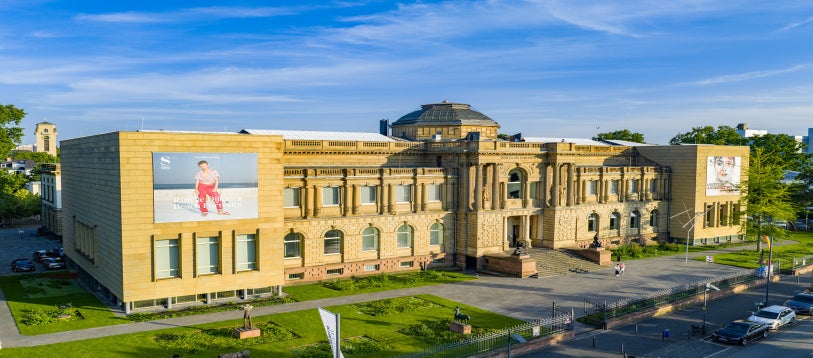
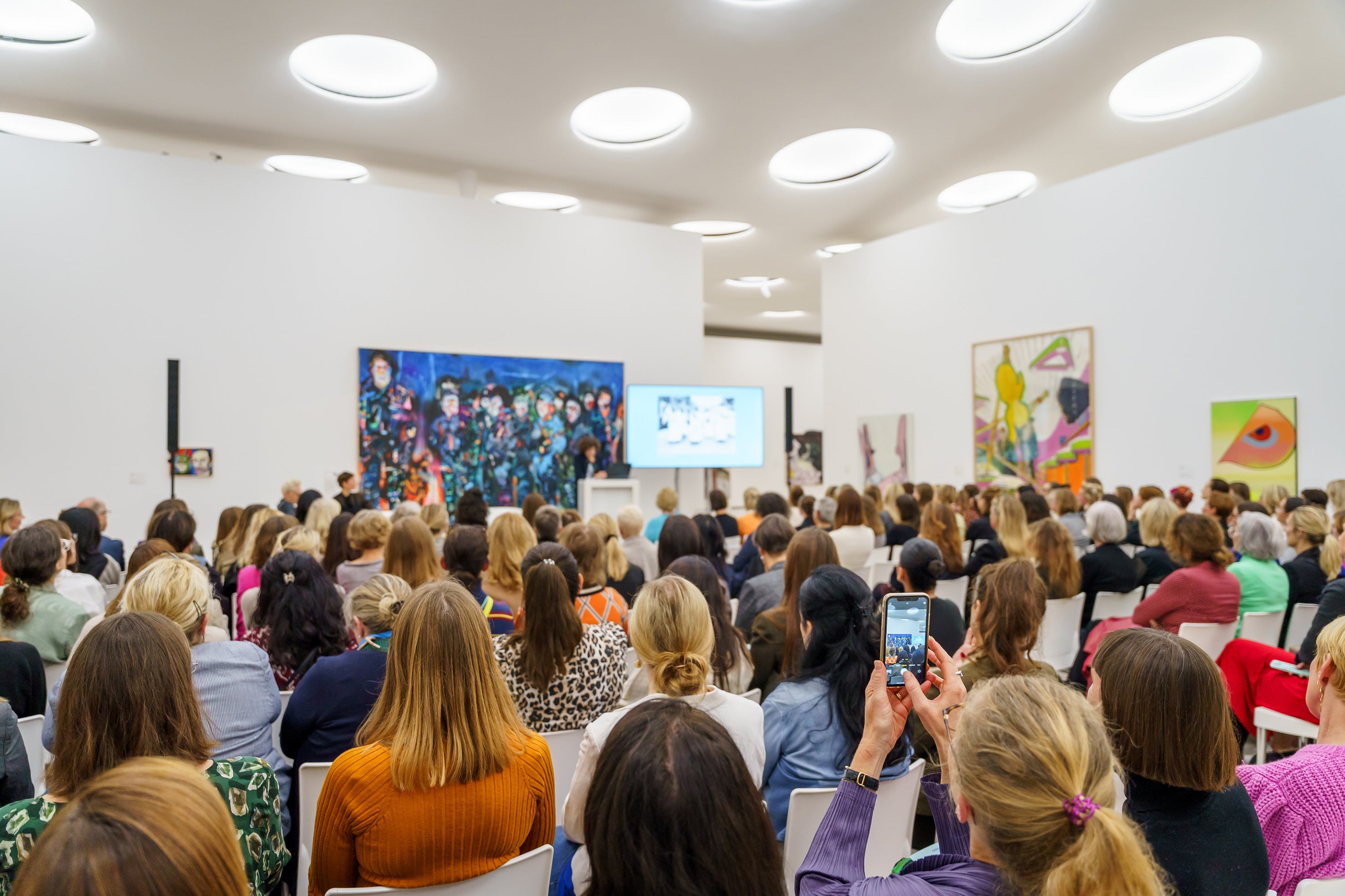
Fresenius and the Städel Museum in Frankfurt am Main are extending their partnership, established in 2024, by a further two years. Their collaboration has already given rise to numerous projects and shared experiences. These include the celebration of the 100th birthday of Else Kröner, Fresenius’s long-standing owner and founder of the Else Kröner-Fresenius Foundation, at the Städel Museum, as well as guided tours for Fresenius employees exploring topics such as innovation and digitalization.
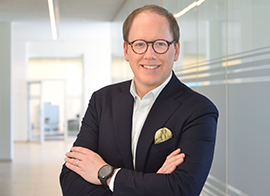
Michael Sen, CEO of Fresenius, says of the partnership: “At Fresenius, ‘Committed to Life’ means going beyond our core business to improve people’s lives and take responsibility for the society we are part of. Art is an expression of a free and pluralistic society, while also serving as a catalyst for innovation and progress. It broadens our perspective and allows us to experience societal change in new ways.
The past two years have shown just how much we can achieve together with the Städel Museum. Our partnership brings people together while reflecting our strong ties to the region where Fresenius has its roots. I am therefore very pleased that we are continuing our successful partnership with the Städel Museum.”
The collaboration between the Städel Museum and Fresenius focuses on making art and cultural education accessible, fostering social dialogue, and exploring innovation and change from new perspectives. For more than 100 years, Fresenius has worked to improve people’s health and quality of life and make medical advances accessible to patients around the world. At the same time, the partnership underlines the company’s deep roots in the Rhine-Main region: It was here that Fresenius was founded and here that its corporate headquarters are still located today.
The Städel Museum offers unique access to art through its collection spanning more than 700 years, as well as through special exhibitions and a diverse range of educational programmes and digital formats. It sees itself as a place for encounter, exchange and engagement with the past, present and future. At the same time, the museum is continually developing its programmes to respond to social changes and create new ways of engaging with art.