
May 22, 2026
2026 Annual General Meeting: Fresenius delivers strong performance in 2025 and proposes 5% increase in dividends
- Thanks to its disciplined execution of #FutureFresenius, Fresenius is today stronger than ever before. Rejuvenate is paying off and delivering accelerated performance for long-term value creation. With its combination of operating strength and resilience, Fresenius is today able to actively help shape the healthcare of the future.
- Shareholders’ trust is to be rewarded: proposed dividend of €1.05 per share – an increase of 5% compared to last year
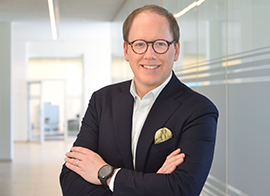
Despite the mounting geopolitical uncertainty, Fresenius healthcare group had a very good 2025 and entered 2026 with strong momentum. “Fresenius is financially flexible, operationally strong, and strategically focused – and therefore ideally positioned to actively help shape the future of healthcare. This is the result of a future-focused strategy that a strong and highly competent team developed and implemented with discipline in recent years,” said Wolfgang Kirsch, Chairman of the Supervisory Board of Fresenius, at today’s Annual General Meeting in Frankfurt am Main.
2025 marked the start of the third phase in the #FutureFresenius strategy: Rejuvenate. The aim is to make the company more innovative and resilient while continuing to create long-term value for customers and patients. The financial results for 2025 and the first quarter of 2026 make clear: Rejuvenate is paying off and delivering accelerated performance for long-term value creation. The shareholders’ trust should also be rewarded: The proposed dividend of €1.05 per share corresponds to a 5% increase compared to last year.
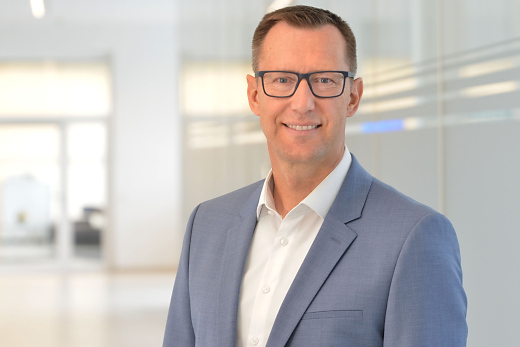
Michael Sen, CEO of Fresenius, emphasized: “In the past financial year, we showed that Fresenius can deliver a strong performance even in an environment where volatility has become the norm. We further strengthened our balance sheet, raised our full-year guidance twice during the year, and delivered on our commitments. At the same time, we continued to make targeted investments in innovation and digitalization – from new product launches to AI-supported hospital platforms. In doing so, we are strengthening Fresenius and laying the foundations for our long- term success.”
Every year, Fresenius invests more than €600 million in R&D within its core businesses – for example, in intravenous generics, biosimilars, infusion and nutritional therapies, and medical technology. The hospitals of Quirónsalud and Helios are actively involved in medical research, with more than 1,700 clinical studies and over 3,100 scientific publications in 2025. Patients benefit directly from this research through access to cutting-edge therapies and care.
The company moreover continues to strategically advance digitalization and the use of AI in healthcare. One building block is the strategic partnership between Fresenius and SAP. The objective of this collaboration is to build an open, interoperable, AI- enabled digital healthcare ecosystem for Germany and Europe. As announced in early May, Fresenius and SAP have invested jointly in Avelios Medical, a start-up developing a next-generation, cloud-native hospital information system.
This release contains forward-looking statements that are subject to various risks and uncertainties. Future results could differ materially from those described in these forward-looking statements due to certain factors, e.g. changes in business, economic and competitive conditions, regulatory reforms, results of clinical trials, foreign exchange rate fluctuations, uncertainties in litigation or investigative proceedings, the availability of financing and unforeseen impacts of international conflicts. Fresenius does not undertake any responsibility to update the forward-looking statements in this release.
Fresenius SE & Co. KGaA
Registered Office: Bad Homburg, Germany / Commercial Register: Amtsgericht Bad Homburg, HRB 11852
Chairman of the Supervisory Board: Wolfgang Kirsch
General Partner: Fresenius Management SE
Registered Office: Bad Homburg, Germany / Commercial Register: Amtsgericht Bad Homburg, HRB 11673
Management Board: Michael Sen (Chairman), Pierluigi Antonelli, Sara Hennicken, Robert Möller, Dr. Michael Moser
Chairman of the Supervisory Board: Wolfgang Kirsch